Advanced Vocal Manipulation: Microtonal and Temporal Editing Techniques for Music Production
Dive deep into microtonal, temporal, and formant editing for expressive, polished vocal performances in modern music.

Vocal Pitch and Rhythmic Synchronization
The human voice, a central element in countless musical genres, demands meticulous attention in its post-production. Beyond basic pitch correction, advanced vocal manipulation techniques are fundamental to achieving polished and expressive performances in contemporary music. This analysis delves into the methods and tools that enable engineers and producers to achieve high-fidelity vocal results with significant emotional impact. The complexity of a vocal performance requires a nuanced approach that goes beyond simple note correction, encompassing micro-editing of inflections and rhythmic synchronization for seamless integration into the mix.
Pitch adjustment algorithms have evolved significantly, transcending simple note quantization. Tools like Celemony Melodyne or the graphical mode of Antares Auto-Tune allow for precise microtonal editing, adjusting the vibrato, pitch drift, and inflection of each syllable. This granular editing capability makes it possible to correct imperfections without sacrificing the naturalness of the original performance, a crucial aspect in genres where authenticity is paramount. Complementarily, temporal manipulation using functions like Elastic Audio in Pro Tools or Warp Markers in Ableton Live facilitates rhythmic adjustment of vocal phrases for flawless synchronization with the instrumental backing. These processes are essential for ensuring the voice sits correctly within the track’s groove, a detail that directly impacts the overall rhythmic cohesion of the song. The integration of these capabilities into modern workflows has redefined the standards of excellence in vocal production.
Formant Manipulation and Vibrato Modulation
Formant alteration enables modification of vocal resonance, offering the ability to transform the perception of a singer’s age or gender, or to generate novel vocal textures. This technique can be employed to create distinctive effects or to adapt a voice to a particular stylistic context. Vibrato modulation, in both its intensity and speed, helps inject emotion or a stylized character into the performance, allowing for artistic control over one of the voice’s most expressive elements. Likewise, the creation of artificial harmonies or subtle doublings from a single vocal take, using plugins like Antares’ Harmony Engine or Waves’ Doubler, enriches the vocal density and presence in the mix. These tools open a spectrum of creative possibilities, from subtle thickening to generating complex choirs, all while maintaining tonal coherence with the lead vocal.
An optimized workflow for advanced vocal adjustment involves integrating multiple tools. Often, it begins with subtle pitch correction in a primary plugin, followed by cleaning up imperfections or resonances with a dynamic equalizer, and finally, a layer of creative processing to add character. Recent innovations include AI-based plugins that assist in detecting tonal and rhythmic issues, streamlining the process and offering correction suggestions. Platforms like iZotope Nectar or Synchro Arts Revoice Pro exemplify this technological convergence, simplifying complex adjustment and alignment tasks between multiple vocal tracks, which is invaluable in productions with complex harmonies or doublings. The ability to automate certain aspects of vocal tuning allows engineers to focus on broader artistic decisions.
Workflows and AI Plugins for Vocal Processing
The demand for pristine vocals on streaming platforms and the growing popularity of formats like immersive audio (Dolby Atmos) intensify the relevance of meticulous vocal tuning. A perfectly tuned and synchronized voice is crucial for the mix to resonate clearly in multi-channel environments, where each element has a defined space. Furthermore, remote collaborative production, facilitated by tools like Splice or Avid Cloud Collaboration, requires vocal tracks to be delivered with maximum quality and consistency, minimizing the need for subsequent adjustments by distant collaborators. This underscores the importance of conscious application of these advanced techniques from the initial stages of production. Advances in hardware and software continue to expand producers’ capabilities, enabling a level of vocal polish previously unattainable for many studios. For example, the integration of DSP processors in Universal Audio (https://www.uaudio.com/) audio interfaces allows for near-zero latency real-time processing, a significant advantage in recording and mixing sessions.
In summary, advanced vocal manipulation techniques go beyond mere correction. They represent a powerful set of tools for refining, styling, and enhancing artistic expression. The judicious application of these methods, balancing technical precision with musical intent, enables producers to craft vocal performances that not only sound flawless but also convey the desired emotion, elevating the quality of contemporary music production. The continuous evolution of plugins and DAWs, as seen in Celemony (https://www.celemony.com/) and Antares Audio Technologies (https://www.antarestech.com/), ensures that these capabilities will remain a fertile ground for artistic and technical innovation.
Related Posts
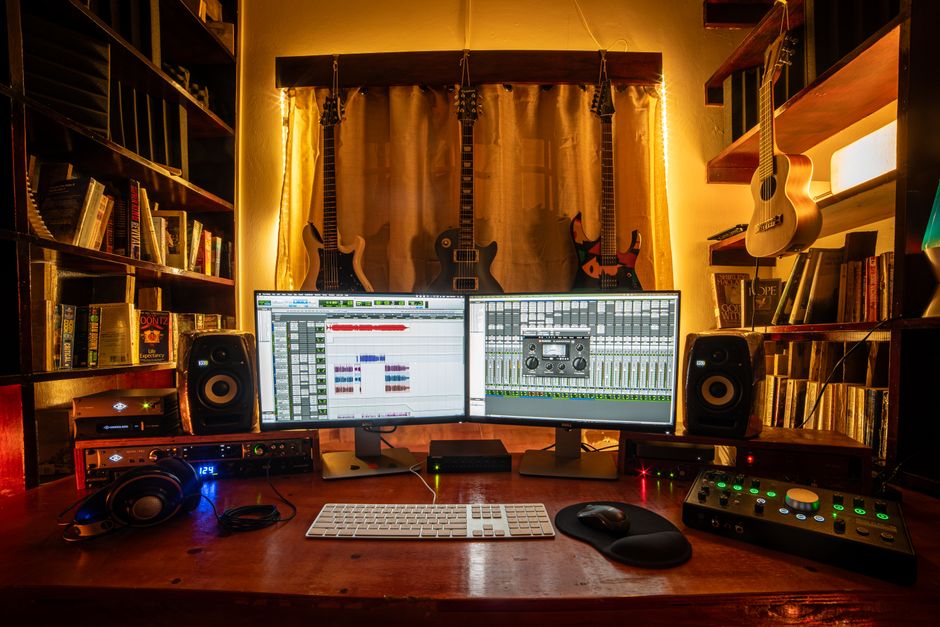
AI-Powered Contextual Mastering: Feature Analysis and Application in Modern Workflows
AI analyzes audio contextually, optimizing music production and complementing human expertise in global studios.

Psychoacoustics and Sound Design: Fundamentals for Meditative Music Production
Exploring synthesis, signal processing, and mastering techniques to craft immersive and calming soundscapes.
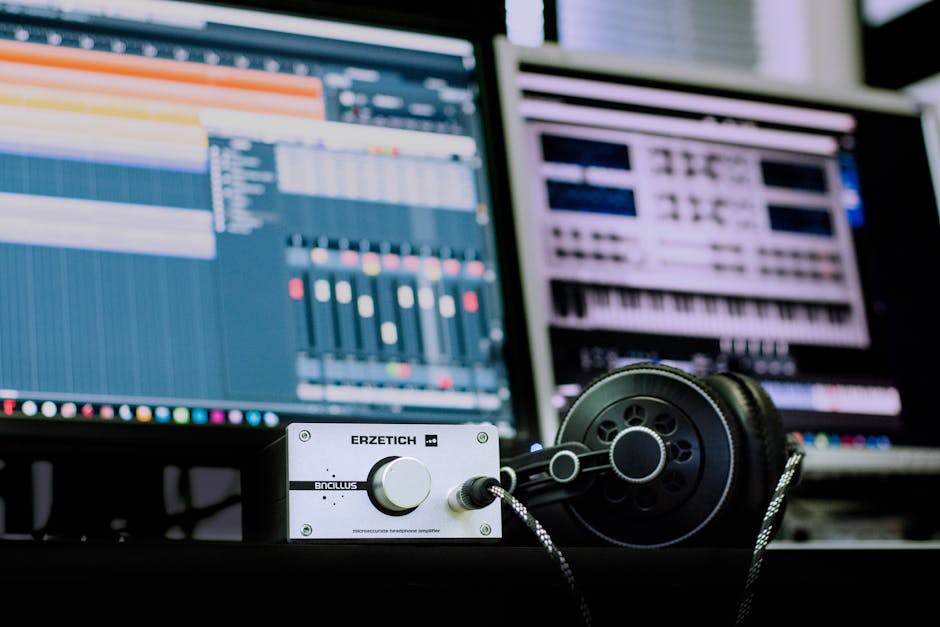
USB vs. Thunderbolt Audio Interfaces: A Technical Deep Dive for Music Production
Technical comparison of USB and Thunderbolt audio interfaces: bandwidth, latency, and applications for music producers.

Organic Sound Design: Field Recording and Advanced Processing for Evocative Audio Landscapes
Integrating field recordings and techniques like granular synthesis to create rich, realistic auditory textures.