Electric Lady Studios: Acoustic Architecture and Technological Evolution in Modern Music Production
An analysis of Electric Lady Studios' genesis and adaptation, from its acoustic design to the integration of immersive and collaborative technologies.
Acoustic and Architectural Design of Electric Lady Studios
The history of Electric Lady Studios, conceived from Jimi Hendrix’s singular vision in New York’s Greenwich Village, represents a landmark in architecture and acoustic engineering applied to music production. Since its opening in 1970, this space transcended the mere function of a recording studio to become a crucible of sonic experimentation and unprecedented creativity. Its meticulously planned design sought an environment where artists could materialize their musical concepts with the utmost fidelity and expressive freedom. Electric Lady’s influence extends across decades, marking generations of iconic productions and continuously adapting to the industry’s technical paradigms.
The conception of Electric Lady originated from Jimi Hendrix’s desire for a space that did not impose the technical or creative limitations he often encountered in other studios. He commissioned architect and studio designer John Storyk to bring this vision to life. Storyk, along with engineer Eddie Kramer, devised a complex that not only offered exceptional acoustics but also stimulated creativity through its psychedelic aesthetic and functionality. The recording rooms were designed with non-parallel geometry to minimize standing waves, and advanced acoustic isolation techniques were implemented to ensure optimal instrumental separation. Hendrix sought an atmosphere conducive to spontaneity, a place where music could flow uninterrupted. This attention to detail in the design phase laid the foundation for the distinctive sound that would later define countless recordings.
Technological Evolution and Key Equipment
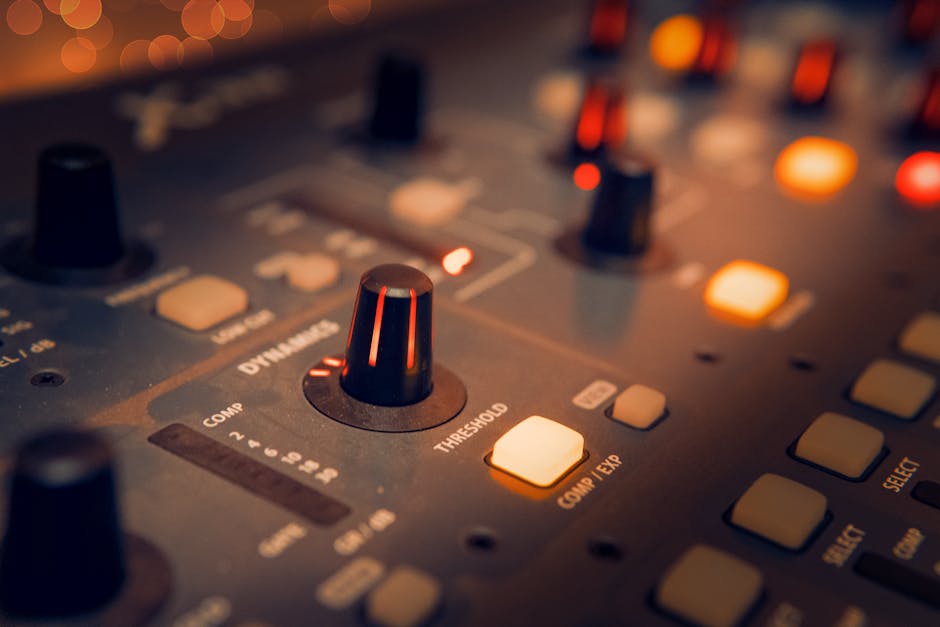
Throughout its history, Electric Lady has been the witness and epicenter of legendary recordings spanning diverse musical genres. From Hendrix’s sessions to seminal albums by Led Zeppelin, Stevie Wonder, David Bowie, and The Rolling Stones, the studio solidified its reputation as a benchmark for sound quality. Its initial equipment, which included a custom mixing console and state-of-the-art multitrack recorders for the era, was constantly updated to incorporate technological advancements without compromising its acoustic essence. The integration of new high-speed audio interfaces, advanced digital signal processors (DSPs), and high-resolution monitoring systems, such as those from Genelec or ATC, has allowed the studio to maintain its relevance in a changing technical landscape. For instance, the adoption of modern DAWs like Pro Tools (https://www.avid.com/pro-tools) and Logic Pro (https://www.apple.com/logic-pro/), and the capability to work with high-fidelity audio formats for streaming platforms like Spotify (https://www.spotify.com/) or Apple Music (https://www.apple.com/la/apple-music/), ensure that Electric Lady continues to be a competitive and relevant production space. The studio’s technical staff has perfected miking and mixing methods that leverage the inherent characteristics of the rooms, achieving a recognizable sonic identity that many artists seek to replicate.
In the contemporary era, where music production is undergoing transformations accelerated by digitalization, artificial intelligence, and the growing demand for immersive experiences, Electric Lady Studios maintains its status as a vital creative enclave. The studio’s current management has implemented strategies to integrate emerging technologies without losing the analog soul that characterizes it. This includes the capability to produce for immersive formats like Dolby Atmos (https://www.dolby.com/technologies/dolby-atmos/), a growing trend in music consumption that expands the spatial possibilities of mixes, offering a three-dimensional listening experience. Furthermore, workflows have been adapted to facilitate remote and collaborative production, using tools like Audiomovers (https://audiomovers.com/) or Sessionwire (https://sessionwire.com/), enabling artists and producers to work together from different geographical locations, a crucial aspect in today’s global context. The use of high-precision vintage equipment emulation plugins, such as those from Universal Audio (https://www.uaudio.com/) or Waves (https://www.waves.com/), combined with the unmistakable warmth of its classic hardware preamplifiers and compressors (Neve, SSL), offers a robust bridge between the classic and the innovative. The ability to discern and apply the most suitable technological tools, while always maintaining artistic integrity and sound quality, is what positions Electric Lady at the forefront of current production. The studio continues to be a laboratory where the sounds of the future are forged, honoring its rich heritage while looking ahead with an innovative perspective.
Integration of Immersive and Collaborative Technologies
The trajectory of Electric Lady Studios represents an enduring testament to an artist’s vision and dedication to technical excellence. Its initial design, revolutionary for its time, laid the groundwork for a sonic legacy that has profoundly influenced modern music. By consolidating its analog heritage with digital innovations and current trends like immersive audio and collaborative production, Electric Lady demonstrates how historic spaces can evolve without surrendering their identity. This studio remains a beacon of creativity, a place where experimentation and technical quality merge to shape the music of the present and the future. Its relevance is sustained not only by its glorious past but by its constant adaptation to the technical and artistic demands of an ever-moving industry.
Related Posts
The Sun Records Acoustic Legacy: Recording Innovation and Its Contemporary Influence
An analysis of Sun Records' pioneering recording techniques and their lasting impact on modern music production.

Physical Modeling in Sound Synthesis: Acoustic Simulation and Novel Timbre Design
Explore mathematical simulation of instruments and creation of unique sounds with physical modeling synthesis.

Make Noise: Synthesizer Design and Its Impact on Modular Sonic Exploration
An analysis of the philosophy and instruments from Make Noise, pioneers of West Coast modular synthesis for contemporary creativity.

Vocal Comping: Integrating Multiple Takes for a Cohesive and Emotional Vocal Performance
Technical analysis of vocal comping: selection, alignment, and pitch correction to optimize vocal performance in music productions.