Orchestral and Electronic Fusion: Sound Capture, Processing, and Immersive Distribution
Innovation in contemporary classical music production: high-resolution mic techniques, advanced digital processing, and immersive mixing.
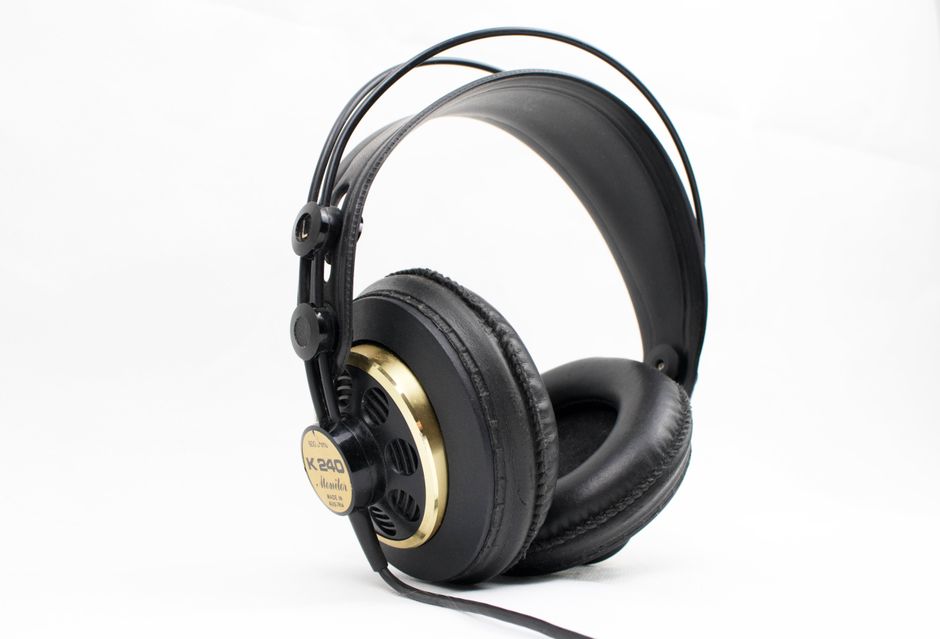
High-Fidelity Sound Capture in Orchestral and Electronic Productions
The production of contemporary classical music represents a continuously evolving field, where orchestral tradition intertwines with technological avant-gardes. This domain challenges conventions, fusing acoustic instrumentation with electronic soundscapes and advanced digital processing tools. Meticulous sound capture, the integration of synthetic elements, and adaptation to innovative distribution formats are fundamental pillars for today’s creators.
The instrumentation phase and subsequent sound capture form the bedrock of any contemporary classical music production. Currently, sound engineers employ a combination of high-resolution microphone techniques for traditional ensembles, alongside specific methodologies for electronic or processed instruments. The choice of microphones, from large-diaphragm condensers to capture room resonance, to contact microphones for unusual percussive textures, is crucial. Boutique preamplifiers and audio interfaces with high-fidelity converters ensure signal integrity at the source. A significant advancement lies in the application of hybrid recording techniques, where acoustic instruments are recorded in controlled environments and then complemented by electronically generated elements produced in studios. This allows for unprecedented creative flexibility, enabling the layering of complex sonic textures without compromising clarity or timbral richness. Platforms like Splice or Output offer libraries that, while not exclusive to classical music, provide starting points for experimenting with synthetic textures that can dialogue with orchestral instrumentation.
Digital Processing and Sound Design with Advanced Tools
Digital processing and sound design are areas where technological innovation redefines compositional and production possibilities. Modern DAWs, such as Ableton Live or Logic Pro X, transform into laboratories for spectral manipulation, granular synthesis, and the application of complex algorithms. Tools like Max for Live or Reaktor facilitate the creation of virtual instruments and custom effects, enabling composers to sculpt sonorities that transcend physical limitations. Artificial intelligence (AI) is also beginning to manifest its impact; AI-assisted mixing and mastering plugins, like iZotope Ozone, offer intelligent suggestions for optimizing balance and cohesion. Similarly, platforms like Amper Music, though oriented toward automated composition, illustrate AI’s potential for generating melodic or harmonic ideas that can then be developed by the human composer. The effective integration of these digital resources with the organic sound of classical instruments requires a deep understanding of both acoustics and electronics, seeking a synergy that enriches the final work without denaturing it.
Immersive mixing and current distribution formats mark a relevant trend for contemporary classical music. The adoption of technologies like Dolby Atmos or ambisonics enables producers to create three-dimensional auditory experiences, where sound envelops the listener, replicating or expanding the spatiality of a concert hall. This capability to position instruments and sonic elements in a 3D space adds a considerable expressive dimension. Streaming services such as Apple Music and Amazon Music HD already offer content in immersive formats, driving producers to adapt their workflows. Remote collaboration, facilitated by tools like Audiomovers Listento or VST Connect, has become indispensable, allowing musicians and producers from different geographies to work in real-time on complex projects. This global connectivity not only streamlines the production process but also fosters aesthetic diversity by integrating talents from various cultures and musical traditions. Digital distribution on platforms like Bandcamp or SoundCloud also offers independent artists a direct channel to reach their global audience, bypassing traditional barriers.
Immersive Mixing and Global Distribution for Contemporary Classical Music
In summary, the production of contemporary classical music is a testament to the fusion of artistic legacy and technological innovation. From high-fidelity capture to advanced digital processing and distribution in immersive formats, each stage of the process demands a combination of technical expertise and artistic vision. Producers and composers who embrace this genre are at the forefront of sonic experimentation, constantly redefining what classical music can be in the 21st century. The continuous emergence of new tools and methodologies promises a future full of creative possibilities, where the only limitation is imagination.
Related Posts

Augmented Reality in Instrumental Recording: Visualization, Simulation, and Remote Collaboration
Analyzes how AR redefines music production, enabling parameter visualization, acoustic environment simulation, and global collaboration.
The Evolution of Pro Tools: From Sound Tools to Immersive and Collaborative Audio Production
A historical analysis of Pro Tools, highlighting its impact on digital audio production and its adaptation to contemporary technologies.

Optimal Acoustics and Microphone Techniques for Recording Bowed String Instruments
Detailed analysis of miking techniques, room acoustics, and processing for high-fidelity recording of violins, violas, cellos, and double basses.

Korg's Journey: Pioneering Sound Synthesis and Electronic Music Production
An exploration of Korg's evolution, from pioneering analog synthesizers to digital workstations and advanced sound design.