Creative Automation: Parameter Modulation for Artistic Expression in Music Production
Exploring automation in music production, from effect modulation to AI and MPE for sonic expression.
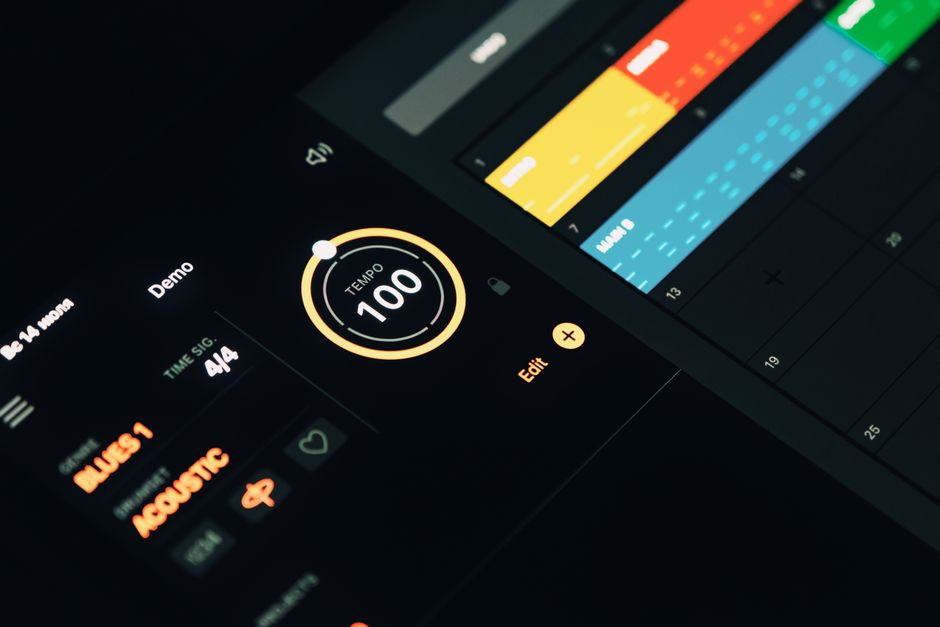
Parameter Modulation: A Creative Tool in Music Production
Contemporary music production transcends the mere capture and arrangement of sounds; it is a canvas where creativity manifests through every adjustable parameter. In this landscape, automation emerges as a fundamental tool, not just for correcting or adjusting levels, but for breathing life and movement into compositions. Far from being a purely technical task, controlled parameter modulation opens new avenues for artistic expression, allowing sonic elements to evolve and breathe within a mix. Today’s engineers and producers employ these techniques to sculpt dynamic auditory landscapes, where every change, subtle or drastic, contributes to the musical narrative.
One of the most transformative applications of automation lies in the modulation of effects and processors. Beyond varying volume or panning, considerable timbral richness can be achieved by adjusting, in real-time, the cutoff of a filter, the resonance of a synthesizer, or the parameters of a delay or reverb. Consider, for instance, the ability to progressively increase the feedback of a delay on a key vocal phrase, generating an ethereal tail that dissolves just before the next bar. Or contemplate the dynamic alteration of an equalizer’s Q to highlight specific harmonics in an instrument, lending it momentary presence before it reintegrates into the overall texture. These programmed interventions not only add interest but can also guide the listener’s attention through the sonic architecture, creating focal points and fluid transitions. The methodical application of these modulations is a hallmark of cutting-edge productions seeking a unique sonic character.
Applying Automation to Audio Processors and Effects
The current technological landscape significantly expands the possibilities of creative automation. The integration of artificial intelligence into modern plugins offers new perspectives for generating complex automation curves. Machine learning-based tools can analyze audio material and suggest parameter movements that complement the dynamics or rhythm of a track, or even generate creative variations that might not have been conceived manually. These intelligent assistants do not replace artistic vision but enhance it, acting as catalysts for experimentation. Likewise, advanced MIDI controllers and the MPE (MIDI Polyphonic Expression) specification facilitate the recording of automations with unprecedented expressiveness. A musician can simultaneously modify the pitch, timbre, and volume of individual notes within a chord, translating subtle interpretive gestures directly into automation data. This allows for a more organic and nuanced interaction with virtual instruments and effects.
Workflow efficiency is another key benefit that advanced automation techniques provide. In complex projects, managing multiple tracks and countless parameters can be overwhelming. However, by structuring automation logically – grouping controls, using buses, and employing macros – the mixing process is optimized, and sonic coherence is ensured. This is particularly relevant in immersive audio production, where automating the spatial position of sound objects in environments like Dolby Atmos demands meticulous precision. Online collaborative production platforms also benefit greatly, as automation curves can be shared and reviewed among geographically distributed teams, maintaining the integrity of the collective artistic vision. Automation thus becomes a universal language connecting collaborators, enabling fluid and efficient co-creation, from a studio in Buenos Aires to another in Berlin.
Technological Advancements: AI and MPE for Expressive Automation
In summary, creative automation transcends its utilitarian function to become an extension of the compositional and mixing process. By implementing these methodologies, producers can inject dynamism, character, and unparalleled emotional depth into their works. From manual effect modulation to integration with artificial intelligence tools and the management of collaborative workflows, automation is an essential pillar in the pursuit of a distinctive sonic identity in contemporary music. Its correct application not only perfects sound but also enriches the listening experience, solidifying its role as a fundamental artistic discipline in 21st-century music production. Tags: Musical Automation, Audio Production, Digital Mixing, AI Audio, MPE MIDI Controllers, Sound Design, Studio Workflow, Immersive Audio Category: Music Production
Related Posts
Studio One 6: Unified Architecture and Workflow for Modern Music Production
Analysis of Studio One's single interface, mix/mastering tools, and ARA2 support, optimizing sound creation.

Microphone and Acoustic Principles for Professional Vocal Recording
Technical analysis of miking techniques, placement, and acoustics for optimal vocal recordings.

Integrating Historical Electronics into Modern Production: Capturing and Processing Ondes Martenot and Classic Synthesizers
Microphoning, preamplification, and processing techniques to preserve vintage electronic instruments' timbral authenticity in contemporary mixes.

Pro Tools: Architecture, Workflow, and Audio Processing for Contemporary Production
Exploring Pro Tools architecture, workflow optimization, and advancements in AI audio processing and immersive production.