The Evolution of Chorus and Flanger: From Tape to Digital Algorithms in Sound Design
An analysis of the trajectory and application of chorus and flanger effects, from their manual origins to contemporary digital innovations.
Experimental Origins of the Flanger: Tape Manipulation and Early Devices
Temporal modulation of sound has been a fundamental pillar in sculpting auditory landscapes throughout the history of music production. Among the most distinctive and versatile effects are chorus and flanger, capable of transforming a simple signal into a complex and immersive texture. From their rudimentary origins in recording studios to their sophisticated current digital incarnations, these processors have left an indelible mark on countless recordings, contributing depth, movement, and an unmistakable sonic character. Their development reflects a constant search for new timbral dimensions, adapting to technological innovations and the creative demands of each era.
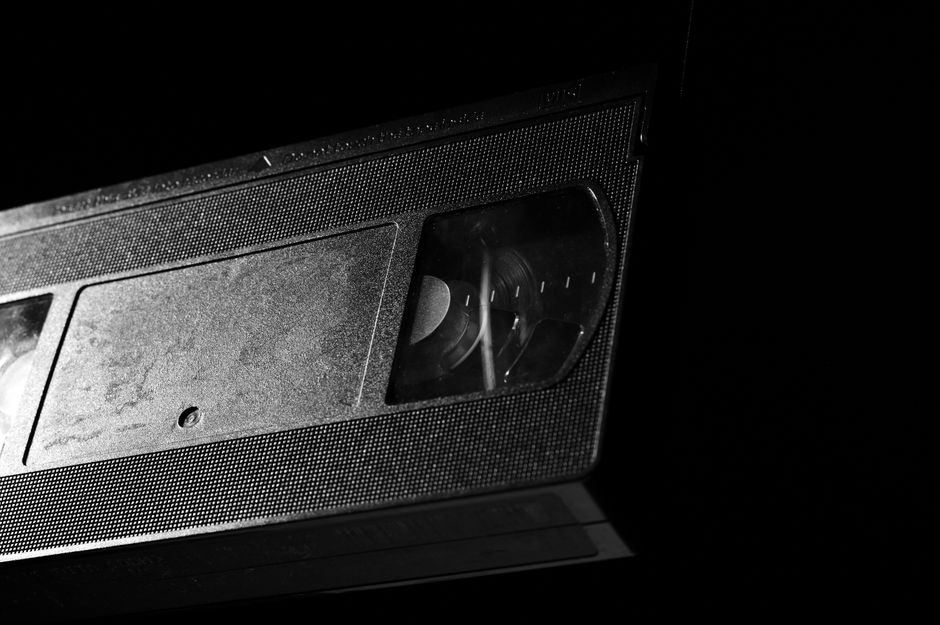
The flanger effect, known for its distinctive spectral sweep and metallic resonance, emerged from experimental methods in the 1950s. Initially, its creation relied on the manual manipulation of two identical tape recorders playing the same signal. An engineer would press or ‘flange’ the edge of one machine’s reel, causing a slight slowdown and, consequently, a temporal delay between the two signals. This minimal difference generated audible phase cancellations and reinforcements, producing the characteristic ‘sweep’ or ‘comb’ sound. Pioneering artists like The Beatles, with engineers such as Ken Townsend and George Martin, and Jimi Hendrix, via Eddie Kramer, popularized these techniques in iconic recordings like Small Faces’ ‘Itchycoo Park’. The transition to dedicated electronic units, such as the Eventide Instant Flanger, marked a milestone in the effect’s accessibility and control, allowing for consistent and precise replication without the complexity of the manual process. These devices introduced parameters like depth, speed, and feedback, facilitating a broader range of sonic textures, from subtle undulations to intense swirls. For a more in-depth study of its evolution, one can consult Sound on Sound’s historical analysis of flanging and phasing [https://www.soundonsound.com/techniques/history-flanging-phasing].
Principles of Chorus: Emulating Ensembles and Analog Milestones
The chorus effect, on the other hand, seeks to emulate the timbral richness obtained when multiple instruments or voices perform the same musical part with slight variations in tuning and timing. Its operating principle is based on duplicating a signal, to which a very short delay and slow modulation of pitch and time are applied. When mixed with the original signal, this slightly altered copy creates a perception of ‘thickening’ or ‘ensemble’. The Roland CE-1 Chorus Ensemble, released in 1976, is considered a landmark in the history of this effect, offering an analog warmth and a particular sonority that established it as a standard. Its successors, like the legendary Roland Jazz Chorus, integrated the effect directly into the amplifier, consolidating its presence in genres such as new wave, post-punk, and 80s pop. The subtlety of chorus, in contrast to the more dramatic nature of flanger, made it an invaluable tool for adding body and width to guitars, keyboards, and vocals, without drastically altering their fundamental character. Its legacy can be observed on the official Roland CE-1 page [https://www.roland.com/global/products/ce-1/].
In the contemporary era of music production, chorus and flanger have transcended their analog origins to integrate new possibilities offered by digital processing. Current plugins faithfully replicate the sound of classic units, and furthermore, expand their capabilities with advanced controls and innovative functions. For example, many recent developments allow for more sophisticated stereo modulation, manipulation of the LFO waveform, and precise synchronization with the project tempo. Artificial intelligence and advanced algorithmic processing are driving new generations of these effects, with plugins offering dynamic and adaptive emulations, adjusting their parameters based on the input signal. An example of this can be seen in tools that simulate the complex interaction of multiple voices or instruments more organically.
Digital Evolution of Chorus and Flanger: New Capabilities and Advanced Processing
These effects are essential in immersive music, where sound spatialization is paramount. Small phase and pitch modulations, carefully applied, contribute to the sense of movement and depth in mixes designed for formats like Dolby Atmos or virtual reality. Producers in Argentina and Latin America use these tools to give character to synthesizers in electronic genres or to enrich the texture of guitars in rock and indie music. The ability of these effects to generate wide ambiances and complex textures keeps them relevant, adapting to the demands of production for streaming platforms, where clarity and presence are crucial. Tools from companies like Universal Audio [https://www.uaudio.com/plugins/modulation.html], Soundtoys [https://www.soundtoys.com/products/], or Valhalla DSP [https://valhalladsp.com/plugins/], to name a few, offer digital versions that not only capture the essence of the originals but also add flexibility for modern sound design, allowing engineers to adjust parameters with unprecedented precision.
The trajectory of chorus and flanger from ingenious tape manipulations to sophisticated digital algorithms underscores their enduring relevance in sound design. These effects, although born from relatively simple principles, continue to be fundamental in shaping texture, depth, and movement in any production. Their adaptability to new technologies and their versatility in creating everything from subtle thickenings to psychedelic sweeps ensure their place as essential tools in the arsenal of any producer or audio engineer, demonstrating that the fundamentals of temporal processing maintain their validity and evolve with every technological advancement.
Related Posts

Microtiming, Dynamics, and Spatialization: Sculpting Organic Groove in Music Production
Technical analysis of how microtiming, dynamics, and spatialization define music's rhythmic character and emotional resonance.
Sound Design and Mixing in Minimalist Music: Principles of Subtraction and Spaciality
Exploring minimalist production: design, composition, and mixing techniques for maximum expression with minimal sonic footprint.

OTT Multiband Compression: Principles, Applications, and Considerations for Modern Productions
Delve into the Over The Top compression technique, its scope, uses in current genres, and optimization for streaming.

Corrective Equalization: Mitigating Resonances and Optimizing Spectral Balance in Audio Mixes
Dive into corrective equalization techniques, from frequency sweeping to Mid/Side processing, for clear, balanced audio mixes.