Pro Tools: Technical Architecture for Immersive and Collaborative Music Production
Technical analysis of Pro Tools: recording, editing, mixing, immersive audio, and remote collaboration for professionals.
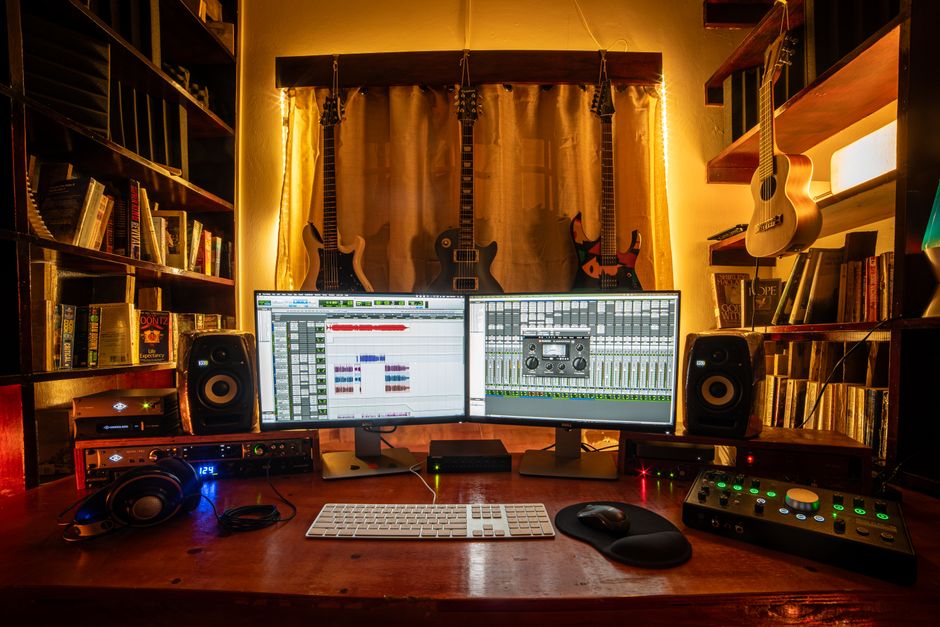
Pro Tools Architecture and Key Functionalities
Pro Tools, an industry-standard Digital Audio Workstation (DAW), is a fundamental tool for engineers and producers globally. Its robust architecture and advanced feature set facilitate music creation from conception to final delivery. In a landscape where technological innovation constantly redefines creative processes, understanding Pro Tools’ capabilities is essential for professionals seeking to optimize their workflows and achieve superior sound quality. This technical analysis examines how Pro Tools adapts to the demands of modern music production, from high-fidelity audio capture to preparation for immersive formats and remote collaboration.
The recording phase is crucial in any musical project, and Pro Tools offers a workspace with millimeter precision for this stage. Its 64-bit audio engine and ability to handle a large number of simultaneous tracks allow for the capture of complex performances with minimal latency and maximum fidelity. Non-linear editing in Pro Tools is distinguished by its efficiency; features like Elastic Audio and Elastic Pitch enable temporal and tonal manipulation of recordings with great detail, without compromising quality. These tools are particularly valuable for adjusting timing, correcting pitch, or experimenting with sonic textures, providing producers with considerable flexibility.
Organizing large sessions is simplified with Playlists, which support multiple takes for the same section, facilitating the selection of the best fragments through the “comping” technique. This method streamlines the assembly process, allowing for the construction of ideal performances from various recordings. Furthermore, integration with professional hardware, such as Avid HDX interfaces or third-party devices compatible with ASIO/Core Audio, ensures a clean signal path and optimized performance, which are priority aspects for recording studios worldwide. For a deeper dive into its specifications, consult the official Avid Pro Tools documentation.
Optimizing Recording and Editing with Advanced Tools
The Pro Tools mixing environment provides comprehensive control over every sonic element. The virtual mixing console replicates the functionality of large-format analog consoles, with advanced routing options, VCA groups, and detailed automation for almost any parameter. This allows engineers to sculpt the soundscape with great precision, from volume balances to complex effect modulations.
Signal processing is enriched by a vast library of integrated plugins and compatibility with AAX, VST3, and AU formats. Tools such as parametric equalizers, multiband compressors, and reverb and delay processors are fundamental for shaping the character of each track. Applying techniques like parallel compression or sidechaining is implemented intuitively, adding depth and “punch” to mixes.
A growing trend in the industry is immersive audio production, and Pro Tools is at the forefront with its support for mixes in formats like Dolby Atmos. This capability allows producers to create three-dimensional sonic experiences, distributing elements in an enveloping space, which is increasingly relevant for streaming platforms like Apple Music or Spotify. The configuration of audio buses and integration with spatial panning tools facilitate the transition to these new auditory dimensions. For more information on Dolby Atmos in Pro Tools, it is recommended to review Avid’s resources. Spotify’s developer specifications also offer valuable insights into spatial audio.
Signal Processing and Mixing Workflows
Beyond music, Pro Tools is a pillar in audio post-production for film and television, where precise synchronization and the ability to handle large volumes of audio clips are essential. Its compatibility with exchange formats like AAF and OMF facilitates integration with video editing systems, optimizing workflows between different creative departments.
Contemporary music production also benefits from the collaborative capabilities that Pro Tools offers. “Cloud Collaboration” features allow musicians and producers to work together on the same project from different geographical locations, sharing tracks, edits, and mixes in real-time. This feature is particularly advantageous in the current context, where remote work has solidified as a standard practice, enabling talents from Buenos Aires to collaborate seamlessly with artists in Berlin or Los Angeles.
Integration with external hardware, such as advanced MIDI controllers and control surfaces, refines interaction with the software, providing a more tactile and organic experience. Likewise, the emergence of artificial intelligence-based plugins for tasks like noise reduction, automated mastering, or stem generation is increasingly integrated into the Pro Tools ecosystem, opening new avenues for efficiency and creativity. These advancements indicate a constant evolution in the tools available to audio professionals. A detailed analysis of AI plugins in production can be found in specialized publications like Sound on Sound.
Immersive Production and Remote Collaboration in Pro Tools
Pro Tools maintains its relevance as a central platform in professional music and audio production. Its constant evolution to incorporate emerging technologies, such as immersive audio and AI-based tools, combined with its robust recording, editing, and mixing capabilities, positions it as a preferred choice for those seeking high-quality results. The platform not only provides the necessary technical tools but also stimulates creativity by simplifying complex processes and fostering collaboration. For sound professionals in the region and worldwide, understanding and applying Pro Tools means accessing a standard of excellence and efficiency in the art of sound production.
Related Posts

Zeca Pagodinho's Enduring Samba Legacy: Essential Tracks for Artists & Producers
Explore Zeca Pagodinho's iconic samba repertoire, uncovering the rhythmic genius and lyrical depth that continue to inspire musicians and producers across Latin America.

The Evolution of Delay: From Acoustic Chambers to AI Processing
Explore the fascinating history of delay, from its acoustic origins to digital and AI innovations in music production.

Analysis of River Plate Influences on CPM 22's Sonic Identity
Technical exploration of River Plate punk and hardcore resonances in CPM 22's distinctive sound.

Capturing and Processing Small Percussion: Miking, Acoustics, and Mixing Techniques
A technical exploration of miking, acoustic environments, and processing for recording small percussion instruments in music production.