Eastcote Studios: Sonic Legacy and the Evolution of British Audio Engineering
A technical analysis of Eastcote Studios' impact on modern music, from analog roots to contemporary hybrid practices.
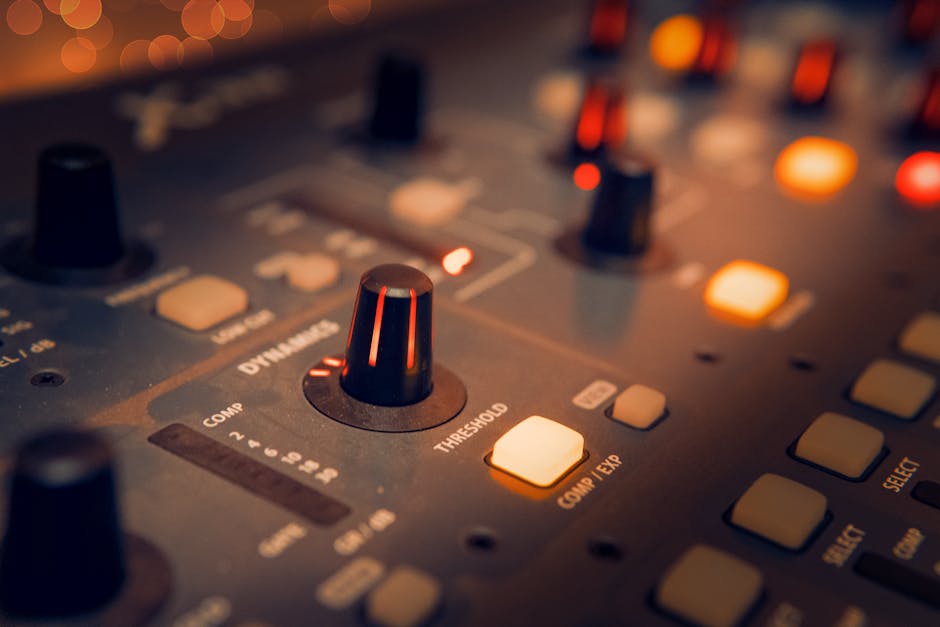
Eastcote Studios: Infrastructure and Sonic Legacy
The trajectory of Eastcote Studios represents a significant chapter in the narrative of British audio engineering. Established in London, this recording space became a crucible for diverse musical expressions, cementing its reputation through iconic productions that defined eras. Its relevance lies not only in the roster of artists who passed through its rooms but also in the technical infrastructure and working methodology that fostered a particular sound, highly valued by professionals and audiences alike. Understanding its evolution offers insight into the creative and technical processes that shaped modern music.
The foundations of Eastcote Studios date back to an era where investment in high-end analog equipment was crucial for a studio’s success. Initially, the facility housed multi-track tape recording systems and mixing consoles that provided a rich and versatile sonic palette. The acquisition of a Solid State Logic (SSL) 4000 series console, a centerpiece in many prestigious studios of the time, equipped Eastcote with advanced routing and dynamic processing capabilities. This equipment, along with a selection of classic microphones and external effects processors, enabled engineers and producers to craft recordings with remarkable clarity and presence. The acoustic architecture of its rooms, designed to optimize sound capture, also contributed to the studio’s characteristic sonic identity. The studio’s evolution involved the gradual integration of digital technologies, while always maintaining an appreciation for the character of analog audio.
Analog Equipment and Digital Transition
Numerous renowned musical ensembles and solo artists selected Eastcote Studios to shape their works. Artists such as The Smiths, Suede, Blur, and Radiohead are among the talents who utilized its facilities, contributing to the creation of albums that are now considered benchmarks in their respective genres. The interaction between musicians, producers, and Eastcote’s technical team often yielded innovative results, where the studio’s atmosphere manifested in the final texture of the recordings. The focus on live performance and the organic capture of instruments was a constant, lending many of these productions a vitality and authenticity that are difficult to replicate. This sonic legacy endures as a testament to the studio’s ability to facilitate artistic expression.
The influence of Eastcote Studios extends to contemporary production practices. Despite the dominance of the digital environment, the yearning for the analog sound that characterized Eastcote persists. This is evident in the proliferation of plugins that emulate the circuitry of SSL consoles and other vintage equipment, allowing current producers to approximate those sonic textures without the need for costly physical gear. The trend towards hybrid production, which combines the best of both worlds—digital flexibility with analog character—reflects a continuation of the philosophy of studios like Eastcote. Furthermore, the emphasis on recording space acoustics and quality microphone techniques remains fundamental, even in the age of artificial intelligence applied to audio and remote production. Platforms like Spotify and Bandcamp continue to disseminate recordings that benefited from Eastcote’s infrastructure and talent, keeping its sonic footprint alive for new generations of listeners and creators. The impact of these historic spaces underscores the importance of understanding the roots of audio engineering to innovate in an informed manner. For instance, the application of natural reverb techniques, a specialty of studios with good rooms, is reinterpreted today in immersive audio environments like Dolby Atmos, seeking to recreate spatiality synthetically.
Artistic Collaborations and Production Quality
In summary, Eastcote Studios was not merely a building with advanced equipment; it represented an epicenter where musical creativity and technical prowess converged to produce enduring works. Its history illustrates the evolution of recording technology and the persistent pursuit of sonic excellence. The studio stands as a cultural and technical benchmark that continues to inspire the community of producers and musicians in their quest for auditory uniqueness.
Related Posts
Pro Tools: Architecture, Advanced Editing, and Immersive Workflows in Contemporary Music Production
Analysis of Pro Tools' capabilities for recording, editing, mixing, Dolby Atmos, and remote collaboration in the music industry.
The Muscle Shoals Sound: Acoustic Engineering and Cultural Legacy in Contemporary Music
An analysis of the Muscle Shoals sonic phenomenon, its recording techniques, and its enduring influence on modern music production.

Cross-Modulation in Sound Synthesis: Mechanisms, Applications, and Timbral Frontiers
Explore AM, FM, and ring modulation for sculpting complex soundscapes and innovative textures in music production.

Make Noise: Synthesizer Design and Its Impact on Modular Sonic Exploration
An analysis of the philosophy and instruments from Make Noise, pioneers of West Coast modular synthesis for contemporary creativity.