Contemporary Mastering: Adapting to Streaming, Spatial Audio, and Physical Formats
Mastering strategies for today's distribution, covering streaming, immersive audio, and high-fidelity physical media.

Optimizing Loudness and True Peak for Streaming Platforms
Contemporary music distribution demands an approach to the mastering process that transcends traditional paradigms. In an ecosystem where works are consumed across a diverse spectrum of platforms – from streaming services with loudness normalization to immersive audio experiences and high-fidelity physical formats – the final preparation of a track must be meticulous and strategic. This article addresses essential methodologies to ensure that the audio material retains its integrity and artistic impact in any listening context, guaranteeing a consistent, high-quality sonic presence globally.
The preeminence of streaming platforms has redefined mastering goals. Loudness management is a critical factor, with standards like LUFS (Loudness Units Full Scale) dictating optimal levels. Precise calibration of average loudness, typically between -14 and -16 integrated LUFS, avoids penalties from algorithms that reduce the volume of overly loud tracks. The implementation of True Peak limiters is indispensable to prevent intersample distortion, ensuring the digital signal does not exceed 0 dBTP (True Peak) and maintains clarity when converted to lossy formats like MP3 or AAC. It is crucial to verify the specific recommendations of each platform, such as those provided by Spotify for Artists (https://artists.spotify.com/es/help/article/loudness-normalization) or Apple Music, as their normalization algorithms can vary subtly. Optimization for these digital environments allows music to integrate seamlessly into playlists and preserve its original dynamics, counteracting the historical trend towards the “loudness war.”
Mastering for Spatial and 3D Audio Experiences
The rise of spatial audio represents an innovative frontier for mastering. Technologies like Dolby Atmos (https://developer.dolby.com/technologies/dolby-atmos/) and Sony 360 Reality Audio offer three-dimensional listening experiences, requiring a fundamental shift in workflow. Here, mixing is no longer limited to L/R stereo channels but involves sound objects positioned in a spherical space. The mastering phase for these formats entails an exhaustive review of the spatial mix, ensuring tonal and dynamic coherence in binaural playback (via headphones) and on multichannel speaker systems. Engineers must become familiar with spatial rendering and monitoring tools, adjusting the perception of depth and width for different listening environments. For instance, Universal Audio (https://www.uaudio.com/) has developed plugins that facilitate the integration of spatial elements into production environments. Adapting to these modalities not only expands creative possibilities but also positions the work at the forefront of music consumption trends.
Beyond the digital realm, mastering for physical and high-resolution formats remains relevant. Preparation for vinyl pressing demands a deep understanding of its physical limitations. This includes rigorous management of low frequencies (mono-ization below 150-200 Hz), control of sibilance, and dynamic range adjustment to prevent skips or distortion. Signal-to-noise ratio and disc side length directly influence the final quality. For CD mastering, the Red Book standard is applied, dictating a 44.1 kHz sampling rate and 16-bit depth. Here, precision in limiting and dithering is crucial for impeccable conversion. In the high-resolution audio (Hi-Res Audio) segment, which handles 24-bit depths and sampling rates of 96 kHz or higher, the primary goal is to preserve maximum dynamic and frequency information. In this context, processing should be as transparent as possible, utilizing high-end converters and advanced algorithms to maintain the fidelity of the original material.
Preparing Masters for Physical and High-Resolution Formats
The integration of advanced technologies and the development of hybrid workflows define the current mastering landscape. AI-powered tools, such as those found in iZotope Ozone (https://www.izotope.com/en/products/ozone.html) or platforms like LANDR (https://www.landr.com/es/mastering/), offer assistance in spectral and dynamic analysis, suggesting adjustments that can serve as a starting point or reference. While they do not replace human expertise, these resources streamline the process and allow the engineer to focus on artistic nuances. Accurate metering is vital; loudness meters like YouLean Loudness Meter (https://youlean.co/youlean-loudness-meter/) or Nugen Audio VisLM (https://nugenaudio.com/plugins/vislm/) provide essential data for meeting distribution standards. Additionally, many engineers combine the best of analog and digital worlds, employing high-quality hardware compressors and equalizers (e.g., Solid State Logic: https://www.solidstatelogic.com/, Neve: https://www.ams-neve.com/) alongside cutting-edge digital processors. This hybrid setup allows for capitalizing on the warmth and character of analog gear while leveraging the precision and flexibility of digital processing. Remote collaboration, facilitated by cloud platforms, is also gaining traction, enabling engineers and artists to work together regardless of geographical location.
In summary, mastering for contemporary distribution requires a versatile and well-informed approach. Understanding the technical requirements of each platform, from normalized streaming to spatial audio and physical formats, is fundamental. Likewise, integrating advanced technological tools and adopting flexible workflows are key components to ensuring that a production’s artistic vision is conveyed with maximum fidelity and consistency across all listening channels. The constant evolution of audio technology necessitates continuous training for sound professionals, who must stay abreast of the latest innovations to maintain the quality of their deliverables in a global and dynamic market.
Related Posts

Reactive Sound Synthesis: Mapping Neural Data to Dynamic Auditory Landscapes
Exploring audio generation for neural simulations, merging composition, neuroscience, and programming for immersive auditory experiences.
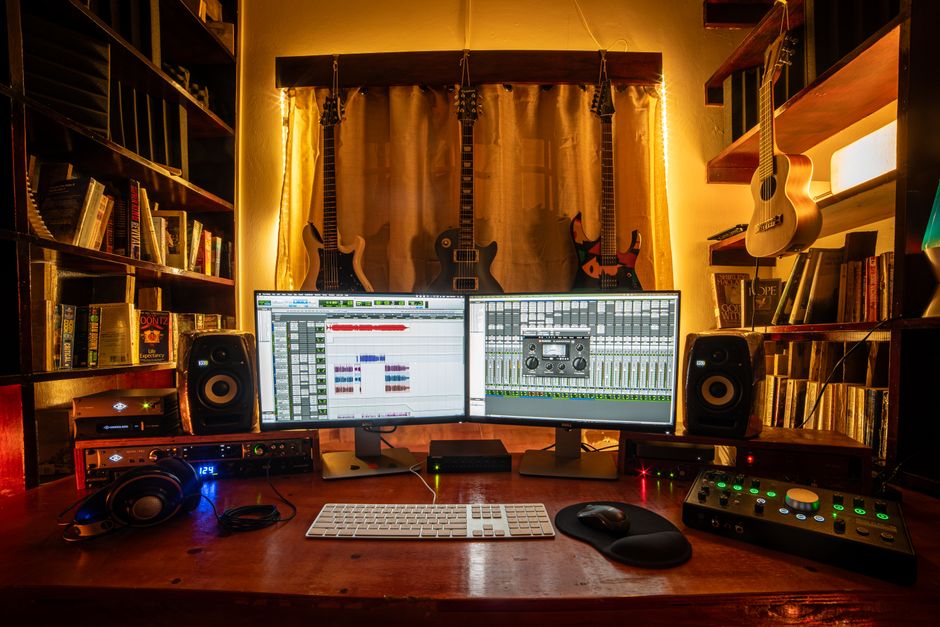
AI-Assisted Audio Compression: Mechanisms, Applications, and Perception in Sound Production
A technical examination of intelligent compressors, their machine learning algorithms, and their influence on modern mixing and mastering.

Sun Records' Legacy: Sound Engineering and Genre Fusion in Rock and Roll's Genesis
Recording engineering, slapback echo, and Sam Phillips' philosophy shaped the sound of rock and roll.
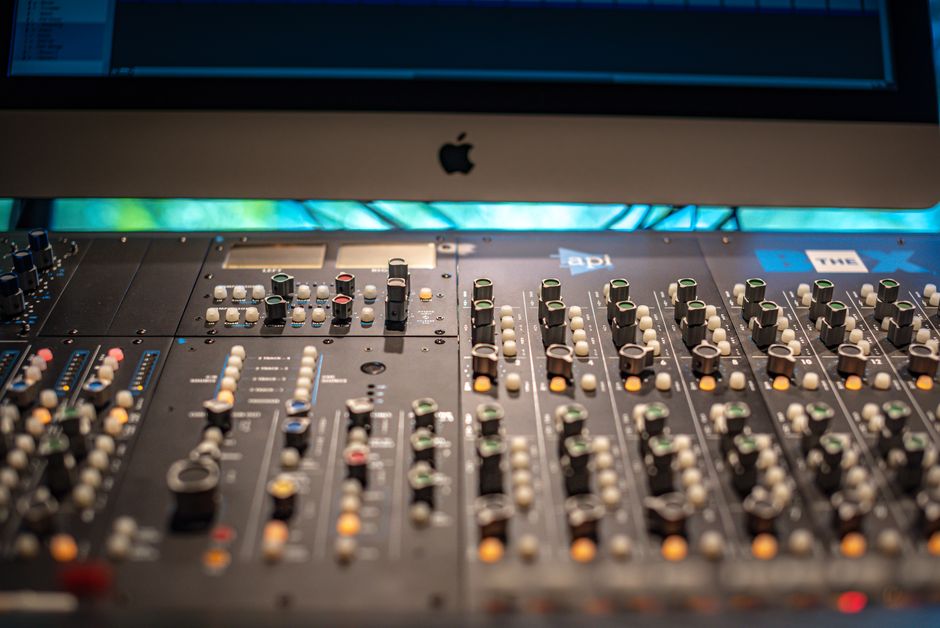
API's Sonic Legacy: Equalizer Design and Its Influence on Modern Production
Explore the evolution and impact of API equalizers, from their analog origins to their relevance in today's hybrid studios.