Chase Bliss Engineering: Analog-Digital Integration for Advanced Sound Design
The fusion of analog circuits and digital control in Chase Bliss pedals redefines sonic expression for musicians and producers.
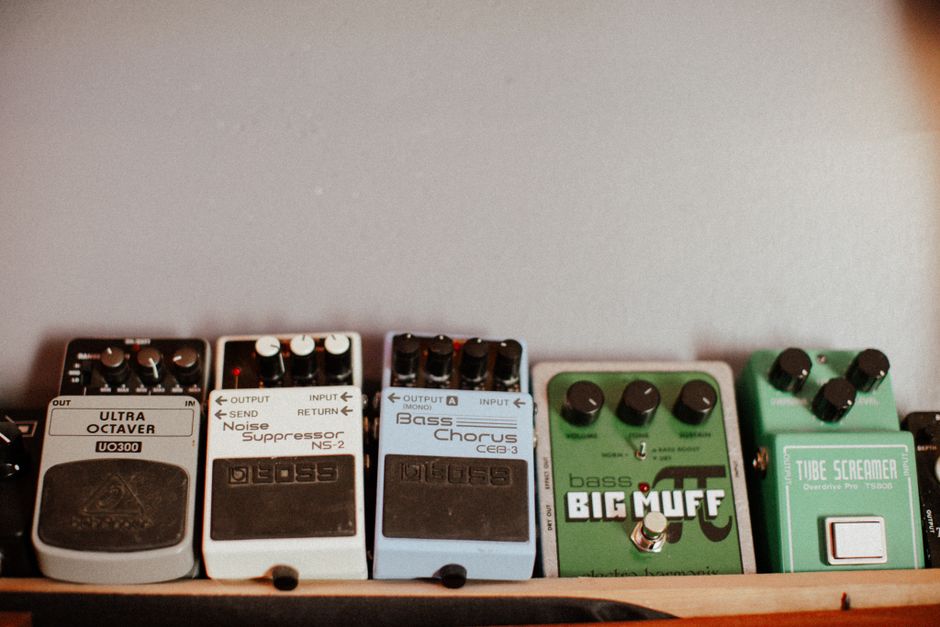
Analog-Digital Fusion: The Philosophy of Chase Bliss Engineering
Sound engineering has been shaped by innovations that redefine the interaction between the musician and the effect. In this context, Chase Bliss Engineering distinguishes itself with its unique approach to pedal design. Since its inception, the brand has developed a philosophy that harmonizes pure analog circuits with comprehensive digital control, enabling unprecedented modulation. This technological convergence not only expands sonic possibilities but also sets a new standard in the flexibility of guitar and synthesizer effects. Its contribution to the professional and experimental audio landscape is evident in the complexity and versatility of its creations, which have influenced countless contemporary musical productions. For a deeper insight into their offerings, you can visit their official website.
The beginnings of Chase Bliss are characterized by a bold proposition: to maintain the inherent warmth of the analog signal while implementing a level of digital adjustment and storage that was, until then, unusual in compact format pedals. The Warped Vinyl, one of their earliest releases, exemplified this vision by offering pitch and vibrato modulations with a depth and character reminiscent of worn vinyl records, but with the precision of digital control. A detailed review of this pedal can be found in Sound on Sound. Subsequently, the Tonal Recall, an analog delay pedal, solidified this reputation. This device not only provided rich, organic repeats but also allowed for preset saving and parameter manipulation via MIDI, opening up a range of possibilities for live and studio sound design. The introduction of the Brothers, an overdrive/fuzz pedal, also marked a milestone by integrating two independent gain circuits that could be routed in series or parallel, generating an exceptional tonal palette. Each of these early pedals served to establish the company’s methodology: fusing the best of both worlds for musicians seeking limitless expression. The ability to program every parameter, from modulation waveform to filter response, positioned Chase Bliss as a benchmark for sonic experimentation.
Early Releases: Setting a New Standard in Modulation
Over time, the company continued its trajectory of innovation, taking digital integration a step further. Subsequent pedals expanded functionalities with features such as tap tempo, full MIDI integration, and expression pedal interaction for real-time dynamic control. A distinctive element of their design is the series of dip switches on the top of each unit, which configure the internal behavior of the effects, enabling advanced functionalities and alternative signal paths. This feature encourages a deep immersion into sound architecture, allowing users to tailor each pedal to their specific requirements. The Mood pedal, for instance, represents a synthesis of micro-looping, delay, and ambient reverb, designed for spontaneous texture creation. A perspective on its functionality is presented in MusicTech. The Blooper, a creative looper, proposed a philosophy of iterative sound manipulation, where each repeat can be modified and mutated in unexpected ways. More recently, the Thermae, an analog delay unit with phase modulation, exhibits a complexity and tonal quality that few devices achieve. These developments underscore a continuous commitment to redefining the boundaries of hardware effects, offering tools that go beyond mere emulation to become instruments in their own right. The constant pursuit of new interfaces and sonic possibilities keeps Chase Bliss at the forefront.
Chase Bliss effects have transcended the niche of experimental guitarists to become firmly established in production studios worldwide. Their ability to generate unique textures and complex soundscapes makes them ideal for genres ranging from ambient and lo-fi to alternative indie and electronic music. In the current era, where music production often leans towards software-based solutions and artificial intelligence (AI) algorithms for audio generation and processing, Chase Bliss pedals offer a tangible and reactive alternative. The physical interaction with their controls and dip switches provides a tactile experience that many musicians value, contrasting with the abstraction of a plugin interface.
Continuous Innovation: Dip Switches and Advanced Control
Furthermore, Chase Bliss’s design philosophy aligns with emerging trends such as immersive audio. The rich and detailed modulation of their effects can be a crucial component in creating three-dimensional soundscapes, complementing systems like Dolby Atmos. The active and creative user community surrounding the brand, visible on platforms like YouTube and specialized forums, drives collective experimentation, generating new applications and pedal combinations. Artists from diverse styles, from Nels Cline (Wilco) to Andy Othling (Lowercase Noises), employ these devices to shape their sonic identity. Even in a context of remote and collaborative production, a Chase Bliss pedal can be the distinctive element that an Argentinian or Latin American producer incorporates into a global mix, lending an unmistakable character. Their relevance intensifies as musicians seek tools that offer a unique voice, beyond generic sounds. This approach resonates with the current demand for originality in artistic creation.
The journey of Chase Bliss Engineering represents a testament to how innovation can flourish at the intersection of analog and digital technology. By integrating comprehensive control into high-quality analog circuits, the company has forged a legacy of tools that not only enrich the sonic spectrum but also stimulate creativity. Their pedals continue to be benchmarks for musicians and producers seeking distinctive sonic textures and expressive audio manipulation. As the music industry advances, Chase Bliss’s value proposition, focused on sonic quality, programmatic flexibility, and tactile experience, secures its position as a key player in shaping the future of audio effects.
Related Posts

Blackbird Studios: Acoustic Architecture and Equipment Collection in Contemporary Music Production
An analysis of the acoustic infrastructure, technology, and philosophy of Blackbird Studios, a benchmark in high-fidelity audio production.

Roland Space Echo: Design, Operation, and Enduring Influence on Sound Production Analyzed
A technical examination of the iconic Roland Space Echo, its engineering, musical impact, and legacy in modern sound tools.

Blackbird Studios: Acoustic Architecture and Analog Gear in Contemporary Music Production
Exploring Blackbird Studios' acoustic design, vintage equipment, and immersive technology, setting sound quality standards.

Computational Textural Analysis: Unraveling Sonic Complexity in Modern Music
Objective quantification of musical texture using AI and signal processing for composition, mixing, and immersive experiences.