Vocal Cloning: Technical Foundations, Creative Applications, and Ethical-Legal Considerations
Exploring vocal cloning technology, its uses in music production, and associated ethical and legal challenges.
Technical Foundations of AI-Powered Vocal Cloning
Technological advancements have led to significant progress in the ability to synthesize and replicate human voices, a technique known as vocal cloning. This innovation presents a vast spectrum of creative possibilities in music and sound production, while simultaneously raising fundamental questions about its ethical use and legal implications. Understanding its technical underpinnings and implementing a responsible framework are essential for professionals in the audio domain.
Ethical and Legal Implications of Voice Replication
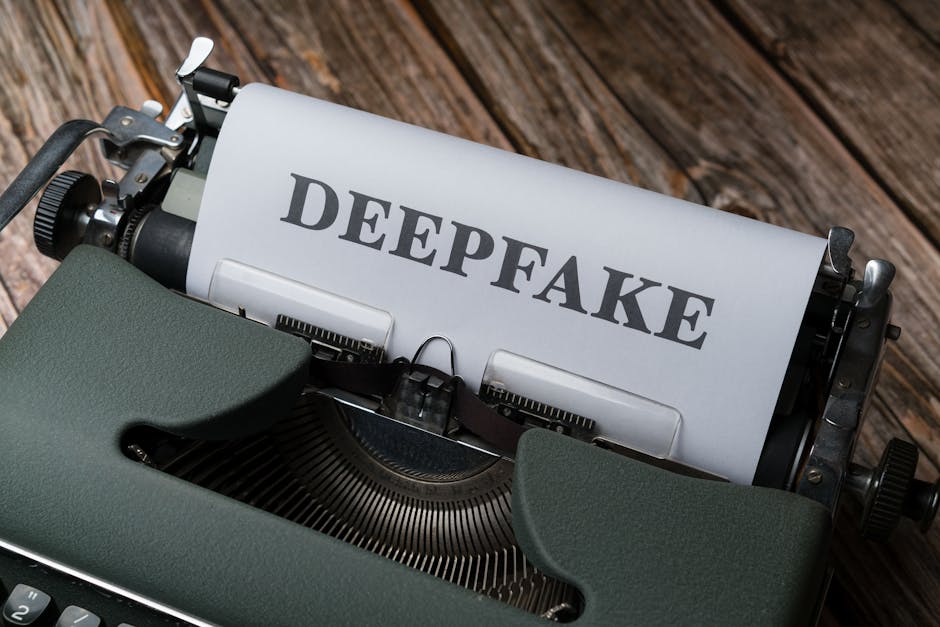
Voice replication involves the use of artificial intelligence models, often deep neural networks, which analyze large volumes of audio recordings to discern and emulate the unique characteristics of a voice. This includes timbre, intonation, rhythm, and idiomatic inflections. To generate a synthetic voice that resonates authentically, these systems require extensive, high-quality datasets. In the ethical context, obtaining explicit consent from the original voice owner is a non-negotiable pillar. Current legislation, while evolving, is beginning to recognize the intellectual property of a voice as a highly personal attribute, akin to one’s image or name. Omitting this consent opens the door to misuse, such as the creation of audio ‘deepfakes’ or identity theft, underscoring the need for clear regulation and transparent industry practices. The discussion around attribution and royalties for artists whose voices are artificially replicated is a central theme in international forums and copyright associations, seeking to balance innovation with creator protection.
Creative and Disruptive Applications in the Sound Industry
On the creative front, vocal cloning methodologies offer disruptive tools for composition and production. Musicians and producers can employ these techniques to preserve artists’ voices, allowing their musical legacy to transcend temporal or physical barriers, a particularly relevant aspect in cases of illness or death. Another practical application lies in the creation of high-fidelity vocal demos, using reference voices to preview arrangements or compositions before final recording with human vocalists. Immersive audio platforms and video games also benefit, enabling the generation of personalized dialogues or the adaptation of voices to multiple languages with exceptional tonal consistency, eliminating the need for costly re-recordings. Furthermore, sound design is enriched by the ability to manipulate and transform cloned voices into novel sonic textures, expanding the sonic vocabulary of any project. Experimentation with regional accents or dialects, for instance, the nuances of Rioplatense Spanish, could open new avenues for content localization without compromising naturalness. Recent advances in generative AI models even allow for emotional modulation of synthetic voices, giving creators unprecedented control over vocal expressivity.
Technical Challenges and Future Projections of Vocal Cloning
However, the implementation of vocal cloning entails significant technical challenges. Achieving absolute naturalness and faithful replication of complex emotional nuances still represent barriers for many systems, despite progress. The quality of the input audio is fundamental; deficient recordings will result in artificial or artifact-laden cloned voices. Computational costs and the need for specialized hardware can also be important considerations for smaller studios. Nevertheless, future projections indicate increased accessibility and efficiency. The integration of vocal cloning tools directly into digital audio workstations (DAWs) is anticipated, facilitating real-time use. The emergence of virtual artists and the ability to generate music with synthetic voices are redefining the landscape of music production and consumption, fueling debates about artistic authenticity and the role of humans in creation. The global music industry, including vibrant markets like Argentina’s, is closely observing these developments, evaluating how these tools can complement or transform current creative processes, always with a focus on responsibility and constructive innovation.
Related Posts
AI in Mixing: Optimizing Processes and Enhancing Creative Potential in Music Production
Exploring how AI is redefining mixing, improving precision, efficiency, and sonic experimentation in music productions.

Automated Emotional Resonance Analysis: Fundamentals and Applications in Music Production
Discover how AI and DSP unravel music's affective impact, optimizing auditory creation and personalization.

Digital Music Synthesis: From Research to the DX7's Sonic Revolution and Beyond
An exploration of the evolution of digital synthesis, from its experimental beginnings to its transformative impact on modern music.

The Historical Evolution of Drum Machines: From Mechanical to AI in Music Production
We analyze the technological journey of drum machines, from their origins to AI innovations and their sonic impact.