Integrating Historical Electronics into Modern Production: Capturing and Processing Ondes Martenot and Classic Synthesizers
Microphoning, preamplification, and processing techniques to preserve vintage electronic instruments' timbral authenticity in contemporary mixes.

Capturing the Ondes Martenot: Methodology and Sound Diffusers
Integrating historical electronic instruments into contemporary music production represents a fascinating confluence of sonic heritage and current technological capabilities. When recording devices like the Ondes Martenot or early analog synthesizers, audio engineers face the challenge of preserving their unique character while adapting them to modern mixing and mastering standards.
The recording of the Ondes Martenot, an electrophone created by Maurice Martenot, demands a specific methodology due to its peculiar configuration. Unlike other keyboards, the Ondes Martenot typically projects its sound through unique diffusion speakers, such as the “Palme” (which uses a wooden resonance board), the “Métallique” (with a resonant gong), or the “Gongs” (a cymbal system). To faithfully capture its timbral richness, the use of large or small diaphragm condenser microphones is recommended, strategically positioned to pick up the sound’s interaction with these diffusers. Employing a stereo pair (AB or XY configurations) can recreate the spatial complexity of its output. A high-quality preamplification stage is crucial for maintaining signal integrity. Researching historical recordings by composers like Olivier Messiaen or Edgard Varèse can offer valuable references for the desired sonority. A prominent example of the instrument’s contemporary use can be found in film scores and the experimental music of artists seeking unusual textures, such as Jonny Greenwood of Radiohead, who has employed it in various soundtracks. https://www.youtube.com/watch?v=sM33Q580F6U
Processing Vintage Electronic Instruments: Noise and Re-amplification
Other vintage electronic instruments, such as the Theremin, Mellotron, or early analog synthesizers like the VCS3 and Synthi A, also require special considerations. Most of these instruments offer a line output, making the quality of the preamplifier critical to avoid unwanted coloration or loss of detail. In some cases, re-amplifying through a tube guitar or keyboard amplifier can add a desirable layer of organic warmth and harmonic saturation. A common factor is managing the inherent noise from their vintage circuitry. Advanced noise reduction techniques, whether through dedicated hardware or software plugins like those offered by iZotope RX, are valuable tools for cleaning up the signal without compromising its authenticity. The company Arturia, for instance, has developed virtual emulations of many of these classics in their V Collection, offering an accessible digital alternative for composers and producers. https://www.arturia.com/products/software-instruments/v-collection/overview
When processing and mixing these recordings, the goal is to enhance their distinctive character without making them sound anachronistic within a modern production. Surgical equalization can attenuate problematic frequencies or unwanted resonances, while broader EQ can sculpt their presence in the mix. Subtle compression will help control dynamics, especially on instruments with a wide dynamic range like the Theremin. For spatialization, virtual plate or spring reverbs, or even emulations of reverberation chambers, can evoke the ambiance of yesteryear’s recordings. Plugins simulating analog tape or tube saturation, such as those from Universal Audio or Waves, bring warmth and cohesion, integrating the vintage sound with the polish of digital recordings. The mix should balance nostalgia with clarity, ensuring these unique timbres stand out without overpowering the ensemble.
Sonic Integration: Mixing and Processing Historical Timbres
In today’s landscape, technological innovation continues to impact how we interact with sonic legacies. Artificial intelligence is being implemented in audio restoration tools to recover damaged historical recordings, opening new possibilities for preserving these sonic treasures. The expansion of immersive audio, such as Dolby Atmos, offers a platform for experimenting with the spatialization of Ondes Martenot sounds and other vintage instruments in a three-dimensional environment, lending them a new artistic dimension. https://www.dolby.com/technologies/dolby-atmos/ Similarly, online collaboration platforms facilitate experts on these instruments and specialized sound technicians working together from diverse locations, overcoming geographical barriers. The evolution of MIDI controllers and high-resolution audio interfaces also refines the capture and manipulation of these timbres, allowing for unprecedented fidelity. This constant dialogue between past and present ensures that the legacy of historical electronic music remains a source of inspiration and experimentation.
The preservation and integration of the Ondes Martenot and other historical electronic instruments into current music production is a testament to their enduring relevance. Combining a deep understanding of their nature with the tools and methodologies of modern audio engineering not only honors their history but also enriches the future of sound creation. Attention to detail at every stage, from microphoning to mixing and mastering, allows these evocative timbres to continue inspiring and moving new audiences.
Related Posts
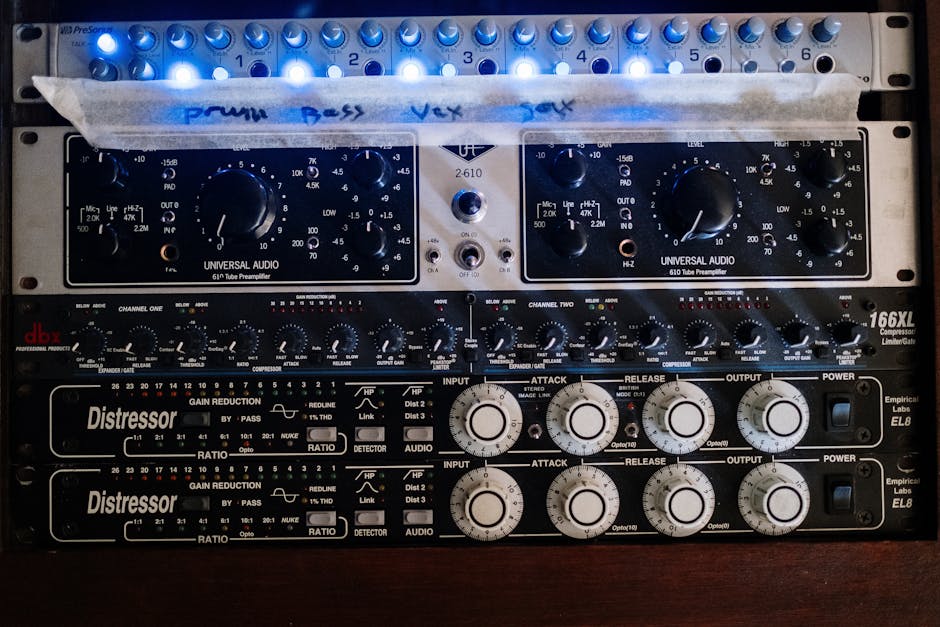
Rupert Neve's Legacy: Preamplifier Design and Its Influence on Modern Sound Production
An analysis of the sonic impact of Neve's preamp designs, from their analog origins to contemporary digital emulations.
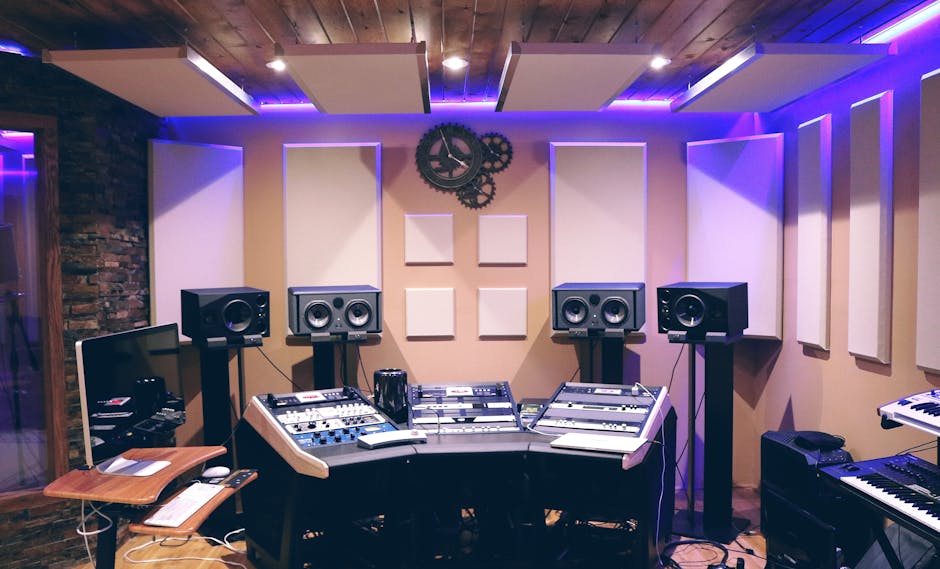
Fundamentals of Audio Monitoring: Components, Acoustics, and Calibration for Professional Production
Technical analysis of monitoring systems, room acoustics, and calibration for achieving sonic accuracy in music productions.
Intermodulation Distortion: Phenomena, Measurement, and Mitigation in Professional Audio Chains
Technical analysis of intermodulation distortion (IMD), its nonlinear origins, and minimization strategies in audio production.
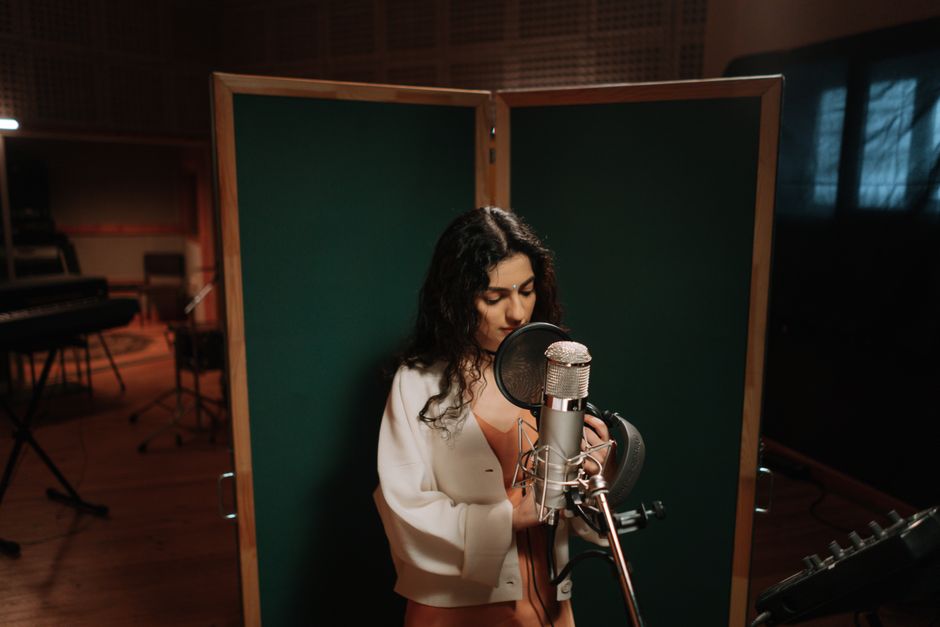
Vocal Pitch Processing: Techniques, Applications, and Expressive Preservation
Technical analysis of vocal pitch processing: from tuning correction to creative effects, optimizing expressiveness.