Timbric Authenticity: Acoustic and Perceptual Parameters in Audio Engineering
Quantifying sonic fidelity through spectral, dynamic, and psychoacoustic analysis for high-quality music productions.

Foundations of Timbric Authenticity in Audio
Timbric authenticity analysis is a fundamental pillar in audio engineering and music production. Beyond mere frequency reproduction, the goal is to understand how the intrinsic sonic attributes of an instrument or voice are preserved or altered throughout the signal chain. This technical approach enables a rigorous evaluation of the fidelity and original character of the sound, which is crucial for informed decisions in recording, mixing, and mastering. The perception of an “authentic” timbre directly influences the listening experience, from the resonance of a charango in a chacarera to the clarity of a voice in an electronic tango, impacting the credibility and emotional impact of a production.
Timbric authenticity refers to an audio system’s ability to reproduce the distinctive characteristics of a sound, preserving its original identity. This involves evaluating multiple acoustic parameters. Among these, spectral distribution plays a paramount role, detailing the energy present in different frequency bands. The dynamic envelope, which describes how sound evolves over time (attack, decay, sustain, release), is equally vital. A piano, for example, possesses a percussive attack and a gradual decay that must be faithfully replicated. Other factors include harmonic content and formants, which are specific resonances that define vocal or instrumental quality. Precise measurement of these elements contributes to an objective understanding of timbre.
Key Acoustic Parameters for Sonic Fidelity
Various methodologies allow for the quantification of timbric authenticity. Spectral analysis, using tools like real-time spectrum analyzers or Fourier analysis, visualizes the frequency composition of a sound. This helps identify deviations, such as the addition of unwanted harmonics or the attenuation of fundamental resonances. The study of transient response, on the other hand, examines a system’s ability to replicate rapid changes in sound amplitude, essential for percussion and sounds with defined attacks. Measuring total harmonic distortion (THD) and intermodulation distortion (IMD) also provides objective data on the coloration introduced by equipment. Advanced software tools, such as reference metering plugins or modern DAWs like Ableton Live (https://www.ableton.com/en/live/), integrate these functionalities, facilitating detailed technical evaluation. Recently, artificial intelligence-based processing has begun to offer predictive metrics on how altering a timbre might impact the perception of “naturalness” or “fidelity” in a musical context, a growing trend in the development of plugins for mixing and mastering.
While objective metrics are crucial, human perception of timbre is inherently subjective and complex. Psychoacoustics investigates how the brain interprets the physical properties of sound. Factors such as the masking effect, perceived loudness, and spatial localization influence timbric authenticity. A sound engineer evaluating a kick drum not only observes its spectrum but also attends to its “punch” and how it integrates into the mix. Innovations in immersive audio, such as Dolby Atmos (https://www.dolby.com/dolby-atmos/), demand exceptional timbric fidelity to create a convincing spatial experience. Auditory training is therefore an indispensable cognitive tool, enabling professionals to identify subtle timbric degradations or enhancements that measurement instruments alone might not fully capture. The interaction between instrumental measurement and critical listening constitutes a comprehensive approach to ensuring fidelity.
Timbric Quantification Methodologies
The application of these fundamentals extends to every stage of music production. From selecting the microphone and its placement to capture the essence of an instrument, to choosing compressors and equalizers that preserve its character. In the current era of remote and collaborative production, timbric consistency across different listening environments becomes fundamental. Platforms like Splice (https://splice.com/) or Bandcamp (https://bandcamp.com/) rely on audio quality for the user experience. Advances in audio codecs and high-resolution streaming, such as those offered by Spotify HiFi (though not yet globally released, it is a trend), require producers to consider timbric authenticity from the source. Optimizing studio monitoring, for example, through acoustic calibration, is vital for timbre decisions to translate faithfully on any playback system. Attention to these details ensures that the original artistic intent is effectively communicated to the final listener.
Timbric authenticity measurement combines science and art, requiring both the rigor of objective data and the sensitivity of auditory perception. By understanding and applying the principles of spectral distribution, dynamic envelope, and transient response, alongside a keen listening ability, professionals can ensure that each sound retains its original character. This knowledge is indispensable in a musical landscape that constantly seeks new forms of expression while valuing sonic fidelity. The integration of emerging technologies, such as artificial intelligence in audio analysis, promises to further refine our ability to evaluate and preserve the essence of sound.
Related Posts
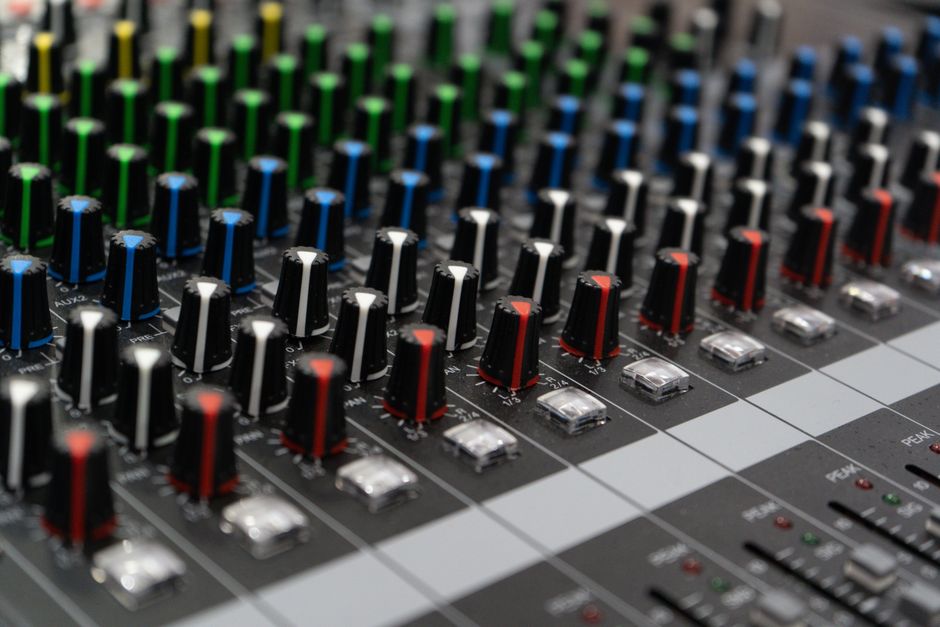
The Evolution of Digital Sound Processing: From Labs to DAWs and Immersive Audio
Trace the transition from analog audio effects to modern digital tools, impacting contemporary music production.

Make Noise and Modular Synthesis: Innovation in Electronic Instrument Design
An analysis of Make Noise's approach to process synthesis and its impact on electronic sound evolution.
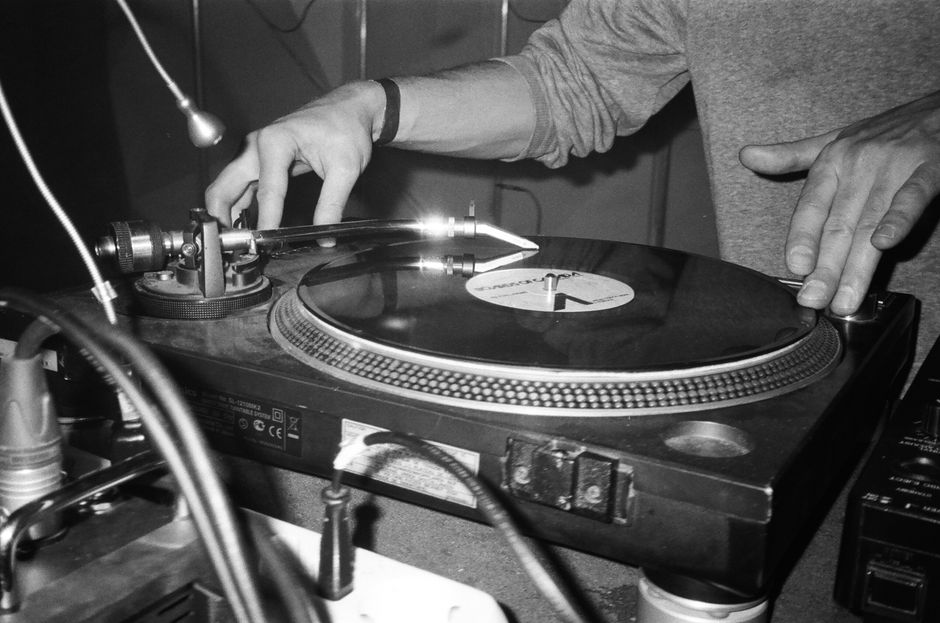
Hybrid Mixing Engineering: Sonic Cohesion in Fused Genres and New Sound Frontiers
Analysis of EQ, spatial, and dynamic processing techniques to integrate disparate musical genres in contemporary productions.

Applied Psychoacoustics: Sound Perception in Music Production
Explore psychoacoustic principles governing sound perception and their practical application in modern music production.