Artificial Intelligence in Sound Design: Algorithms, Applications, and Creative Futures
Exploring how AI is redefining the generation, manipulation, and optimization of sonic textures in music and audiovisual production.
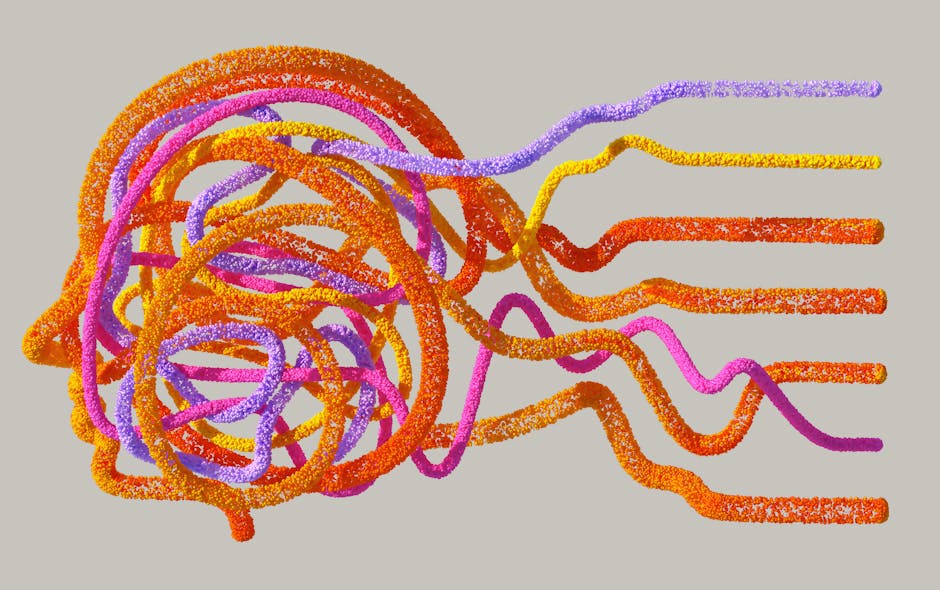
Foundations of AI in Sound Synthesis and Manipulation
The integration of artificial intelligence (AI) into sound design represents one of the most significant transformations in contemporary music production. This technology, once relegated to the realm of science fiction, now offers advanced tools that redefine creative and operational boundaries for audio artists and technicians worldwide. This analysis explores how AI systems are reshaping the generation, manipulation, and optimization of sonic textures, opening new avenues for artistic expression and studio efficiency. AI’s capacity to process and synthesize audio at unprecedented scales is driving a wave of innovation impacting everything from film sound effects to experimental electronic music production.
Machine learning algorithms form the fundamental pillar of AI applied to audio. Through deep neural networks and generative models, these systems can analyze vast collections of existing recordings, identify complex patterns in timbre, dynamics, and structure, and subsequently generate original sound material or transform pre-existing sounds with remarkable precision. This capability manifests in various methodologies, from AI-assisted granular synthesis that reconfigures micro-fragments of audio to create evolving textures, to spectral modeling that allows for surgical manipulation of a sound’s timbral characteristics. AI not only automates repetitive tasks, such as noise reduction or adaptive equalization, but also introduces elements of controlled randomness and sonic complexity that would be exceedingly difficult to achieve manually. A notable example is the ability of systems to simulate the acoustics of specific spaces with astonishing realism, or to replicate the timbre of classical and modern instruments based on training with real audio data. The implementation of Generative Adversarial Networks (GANs) in this field, for instance, enables algorithms to create sounds indistinguishable from human recordings, ushering in a new paradigm for creating soundscapes and effects.
Machine Learning Algorithms for Sonic Textures
The current market exhibits exponential growth in AI-based solutions for sound designers and music producers. Leading platforms like iZotope Ozone and Neutron incorporate intelligent assistance modules that analyze mixes or masters, suggesting adjustments for equalization, compression, spectral balance, and limiting, thereby accelerating workflows and offering optimized starting points. In sound generation, tools such as Google Magenta Studio or Orb Producer Suite employ neural networks to compose melodies, harmonies, and rhythms, which can then serve as a foundation for more elaborate and unique sound design. Plugins like Audio Modern’s Riffer, Krotos’s plugin series (Reform, Dehumaniser, Weaponiser), or AIVA’s generative AI solutions utilize advanced algorithms for creating complex sound effects, dynamic ambient textures, or vocal effects with unprecedented speed and flexibility. These resources facilitate the creation of detailed soundscapes for video games, film scores, or music productions with previously unimaginable efficiency. AI also aids in audio source separation (stem separation) with tools like Accusonus or iZotope RX, allowing producers to isolate specific elements from a recording for subsequent manipulation or remixing – a technique particularly valuable for audio forensics or creating new versions of existing tracks.
The adoption of AI in sound design presents both opportunities and critical considerations for the audio community. From a creative perspective, AI acts as a collaborator and a catalyst for new ideas, offering possibilities that transcend the limitations of human inspiration or conventional techniques. It allows artists to experiment with novel sonorities and explore timbral territories that would otherwise remain inaccessible, fostering originality. However, integrating these tools requires technical understanding from the user to guide the AI toward desired outcomes, always maintaining artistic control and personal vision. The learning curve associated with some of these systems, though constantly improving and simplifying, demands dedication for their full exploitation. In technical terms, the efficiency in audio processing and the ability to generate unlimited variations from an initial set of parameters optimize production times and reduce manual workload on repetitive tasks. Looking ahead, AI drives the creation of adaptive audio, where sonic elements react in real-time to external inputs (such as user interaction in a video game or environmental changes), which is fundamental for immersive experiences and virtual reality environments. Current research focuses on systems that can interpret emotions or musical intentions to contextually generate accompaniments or effects, potentially revolutionizing live composition and sound design.
AI Tools in the Sound Design Market
Artificial intelligence is reshaping the sound design paradigm, transforming it into a field of unprecedented experimentation and efficiency. Far from replacing human creativity, these technologies position themselves as strategic allies that amplify the capabilities of producers and designers, offering a vast spectrum of sonic possibilities. Continuous research and development in this sector promise a future where human-machine interaction generates even more innovative, personalized, and contextually adapted sonorities. The effective understanding and application of these methodologies are essential for those seeking to remain at the forefront of audio production and the exploration of new sonic frontiers. This advancement represents an invitation to rethink creative and technical processes within the global music industry.
Related Posts

The Sonic Legacy of Yamaha NS-10: Design, Adoption, and Mix Translation in Professional Studios
An analysis of the Yamaha NS-10 monitor's impact on music production, its unique design, and the enduring principles of its mixing approach.

Musical Field Recording: Equipment Selection, Capture Techniques, and Post-Production Processing
Explore integrating ambient sounds into music, from gear choice to creative post-production manipulation.

Ableton Live: Evolving Software-Hardware Interaction in Modern Music Production
An evolutionary analysis of Ableton Live software, its impact on composition, performance, and hardware-software integration.

Integrating Historical Electronics into Modern Production: Capturing and Processing Ondes Martenot and Classic Synthesizers
Microphoning, preamplification, and processing techniques to preserve vintage electronic instruments' timbral authenticity in contemporary mixes.