Mastering Optimization for Digital Vinyl Systems: Acoustic Principles and Signal Processing
Technical analysis of audio preparation for DVS, focusing on dynamic range, frequency response, and signal optimization for performance.
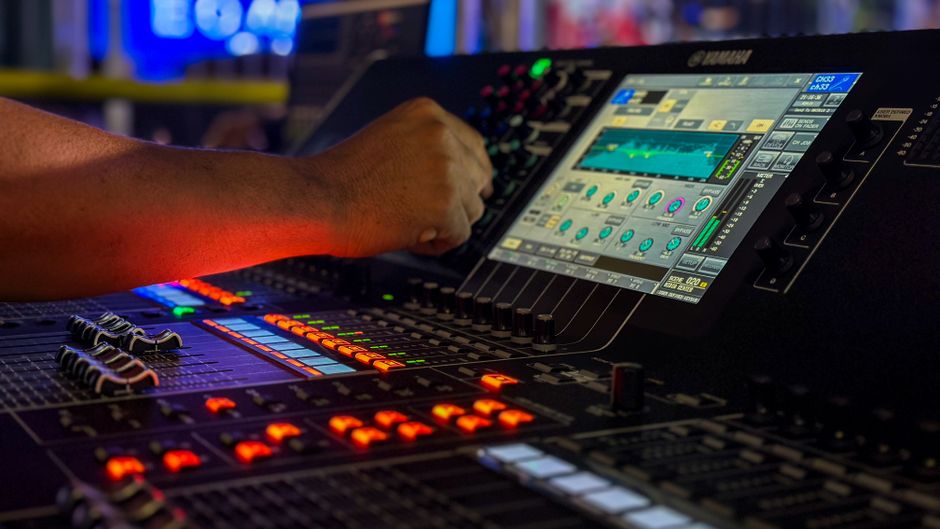
Acoustic and Dynamic Principles for Digital Vinyl Systems
The interplay between high-fidelity digital audio and digital vinyl systems (DVS) presents a unique technical field of study for mastering engineers and producers. As DJing technology advances, the need for audio processing that respects both the integrity of the digital file and the analog response of the control vinyl becomes paramount. This analysis addresses mastering methodologies that optimize playback on DVS platforms, ensuring a superior sonic experience for both the performer and the audience.
Acoustic and Dynamic Principles for DVS
Audio preparation for digital vinyl systems requires a specific understanding of how the software interprets the control signal and how the vinyl hardware reproduces it. Unlike mastering for streaming platforms, where loudness normalization is primary, the DVS context demands meticulous preservation of dynamic range. Excessive compression can degrade the control vinyl’s ability to track accurately, affecting the DJ’s tactile response and the clarity of the sound. It is crucial to maintain transient energy without introducing artifacts that could be magnified by the analog emulation system.
Frequency response also plays a decisive role. Excessive subsonic frequencies can cause tracking issues on the control vinyl, while overly sharp highs can lead to listening fatigue and distortion. Applying gentle high-pass filters below 20-30 Hz and careful control of high frequencies, typically above 16 kHz, are beneficial. This approach ensures a solid foundation for playback without compromising musicality or system stability. Headroom optimization is another critical factor; it is recommended to aim for True Peaks of around -1 dBTP to -0.5 dBTP to avoid digital clipping when converting to DVS-compatible file formats, such as uncompressed WAV or AIFF.
Optimizing Digital Signal Processing in DVS
Dynamic processing in mastering for DVS must be subtle and strategic. Multiband compression, if used, should be applied with conservative thresholds and ratios, focusing on taming problematic resonances or excessive peaks without crushing the punch. Real-time spectral analysis tools, such as those offered by iZotope or FabFilter plugins, facilitate the identification of problem areas. Limiting should be transparent, utilizing algorithms that minimize intersample distortion and the introduction of aliasing. Choosing a limiter that preserves phase and transients is fundamental to maintaining spatial coherence and rhythmic impact.
Recent innovations in mastering plugins incorporating artificial intelligence, such as mastering assistants in some audio suites, can offer useful starting points, but human intervention and critical listening remain irreplaceable. The ability to assess how a track will perform on a DVS system requires experience, and testing in real-world environments with hardware like Serato DJ Pro or Native Instruments Traktor Pro is essential. The adaptability of processing for different musical genres, from techno to hip-hop, is also a factor to consider, as each style presents distinct dynamic and frequency requirements.
File Integration and Distribution Standards for DVS
Preparing files for DVS is not limited to audio processing; metadata management and file format selection are equally important. WAV or AIFF files at 24-bit and 44.1 kHz or 48 kHz are industry standards to ensure maximum fidelity and compatibility with most DVS systems. Including accurate metadata, such as artist name, track title, album, and BPM, facilitates organization and retrieval of tracks in DJs’ digital libraries, enhancing the efficiency of their live sets. Platforms like Beatport or Bandcamp, which are common sources of music for DJs, often offer these high-quality formats.
Although mastering for streaming follows its own guidelines, such as Spotify’s loudness recommendations (-14 LUFS), for DVS it is preferable to avoid aggressive normalization that could reduce dynamic range. The final decision on loudness levels should balance perceived power with the control vinyl system’s ability to handle the signal without distortion. Attention to these technical details ensures that mastered material not only sounds excellent but is also functional and reliable in a live performance environment, where system stability is as crucial as sound quality.
In summary, mastering for digital vinyl platforms is a process that demands meticulous attention to technical detail and a profound understanding of the interplay between the digital and analog domains. Preserving dynamic range, optimizing frequency response, and adhering to specific technical standards are fundamental pillars. By integrating these techniques with the latest innovations in signal processing and analysis, engineers can ensure that mastered audio not only meets fidelity expectations but also enhances the experience for both the DJ and the listener in the dynamic environment of live music. The continuous evolution of DVS and digital audio tools underscores the importance of ongoing training and adaptation in this specialized field.
Related Posts

Mastering for Digital Vinyl: Dynamic Preservation and Detailed Spectral Processing
Optimizing audio for DVS systems: transient management, precise EQ, and transparent dynamic processing.

Plugin Automation: Dynamic and Evolving Control in Contemporary Music Production
Advanced plugin automation for sound sculpting, creating movement, and enhancing expressiveness in modern productions.

Real World Studios: Acoustic Architecture, Technological Innovation, and Cultural Fusion in Music Production
Exploring the architecture, technology, and multicultural philosophy of Real World Studios, from its founding to immersive audio.

Eventide: The Evolution of Digital Audio Processing and its Influence on Modern Music Production
A historical analysis of Eventide, from the H910 Harmonizer to current plugins and pedals, defining sonic creativity.