Principles of 360 Immersive Mixing: Setup, Spatialization, and Modern Workflows
Explore monitoring setups, spatialization techniques, and key tools for 360 and surround audio production.
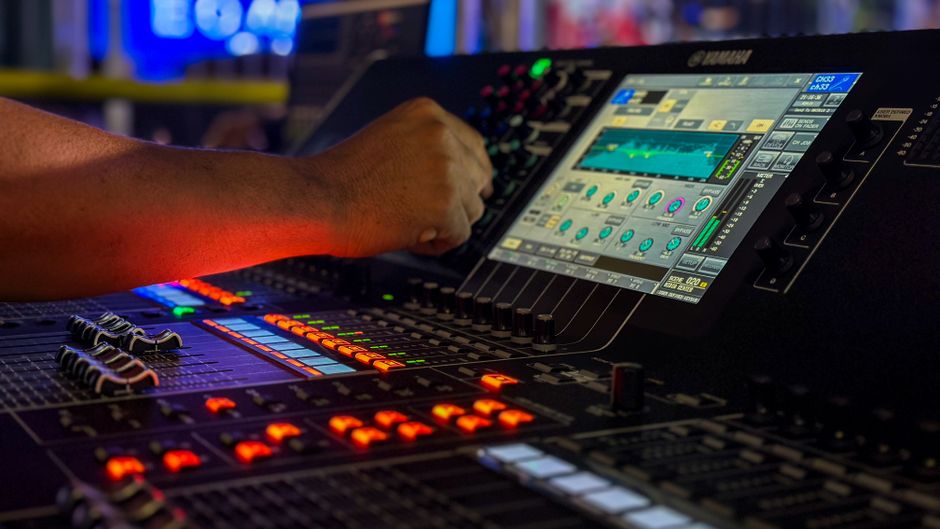
Monitoring Setup for Immersive Audio
Audio production has undergone a remarkable evolution, and mixing for 360 or immersive formats represents one of the most significant advancements of the last decade. This sonic paradigm, which aims to envelop the listener in a three-dimensional sound sphere, transcends the traditional stereo concept, offering a considerably deeper and more realistic auditory experience. The increasing adoption of technologies like Dolby Atmos and spatial audio on streaming platforms such as Apple Music and Spotify drives engineers and producers to refine their methodologies for this environment. Understanding spatialization principles and the right tools is fundamental for those aspiring to create soundscapes that capture the attention and immersion of today’s audience.
A cornerstone of immersive mixing is the monitoring setup. Spatial accuracy demands systems that can faithfully reproduce the location of sound objects. This often involves a loudspeaker arrangement that goes beyond traditional 2.0 stereo or 5.1 surround, reaching configurations like 7.1.4 or even higher, with height channels. Acoustic room calibration and the use of correction tools like Sonarworks’ SoundID Reference (https://www.sonarworks.com/soundid-reference/) are vital to ensure spatial perception is consistent and accurate. However, the reality for many studios, especially home studios in cities like Buenos Aires and others in the region, often restricts these setups. In such cases, specialized headphones for spatial audio, such as the Audeze LCD-GX (https://www.audeze.com/products/lcd-gx) or Sennheiser HD 800 S (https://www.sennheiser-hearing.com/en-US/p/hd-800-s/), combined with advanced binauralization software (e.g., the DearVR MONITOR plugin (https://www.dearvr.com/products/dearvrmonitor/)), allow for a faithful simulation of the multichannel environment, facilitating critical mixing decisions.
Spatialization Techniques in 360 Mixing
Spatialization techniques form the core of 360 mixing. Unlike stereo mixing, where the panorama is two-dimensional (left-right), immersive audio adds depth (front-back) and height (up-down) axes. Placing sound objects in this three-dimensional space is achieved using DAW-specific panners or dedicated plugins, such as Flux:: SPAT Revolution (https://www.flux.audio/plugins/spat-revolution/) or DearVR PRO (https://www.dearvr.com/products/dearvrpro/). These not only allow for positioning a source but also control its size, perceived distance, and the level of “diffusion” within the environment. The manipulation of reverb is equally crucial; a reverb with multichannel capabilities, like FabFilter Pro-R (https://www.fabfilter.com/products/pro-r-reverb-plugin) or the UAD Lexicon 224 (https://www.uaudio.com/uad-plugins/reverbs/lexicon-224-digital-reverb.html), can create acoustic spaces that envelop the listener, reinforcing the sense of immersion. Automating object positions over time adds dynamism and narrative to the sound, allowing musical elements or effects to move fluidly through the sound sphere, generating transitions and points of interest.
The integration of the latest technologies into the workflow is a differentiating factor. DAWs like Pro Tools Ultimate (https://www.avid.com/pro-tools), Steinberg Nuendo (https://www.steinberg.net/nuendo/), and Logic Pro (https://www.apple.com/logic-pro/) (with its Spatial Audio tools) offer robust environments for immersive production. The use of AI-based plugins for source separation or upmixing stereo material to multichannel, such as iZotope RX (https://www.izotope.com/en/products/rx.html) or the recent Cubase Stem Splitter (https://www.steinberg.net/cubase/), facilitates the adaptation of existing recordings to 360 formats. Current trends also point towards remote collaborative production, where engineers in different locations can work on the same immersive project using cloud-based file-sharing platforms and sessions. The ability to pre-render and export in formats like ADM BWF (Ambisonic Data Metadata Broadcast Wave Format) ensures compatibility with distribution platforms and mastering studios specializing in immersive audio. Experimenting with these new approaches and tools not only expands creative possibilities but also prepares audio professionals for the demands of the future market, where immersive experiences are increasingly valued.
Integration of Immersive Technologies and Workflows
In summary, mixing for 360 formats presents a technical challenge and an immense creative opportunity. It requires a deep understanding of spatialization, an appropriate monitoring setup, and mastery of specific tools. Adopting these techniques, along with exploring innovations in software and hardware, allows engineers and producers to create sound experiences that transcend traditional boundaries, positioning them at the forefront of music and audiovisual production. Investing in training and constantly adapting to new technological standards are essential for successfully navigating this exciting sonic landscape.
Related Posts

Evolution of Sound Sampling: From Early Hardware Samplers to Digital Convergence
Technical analysis of hardware sampler development, its impact on music production, and its legacy in current digital tools.
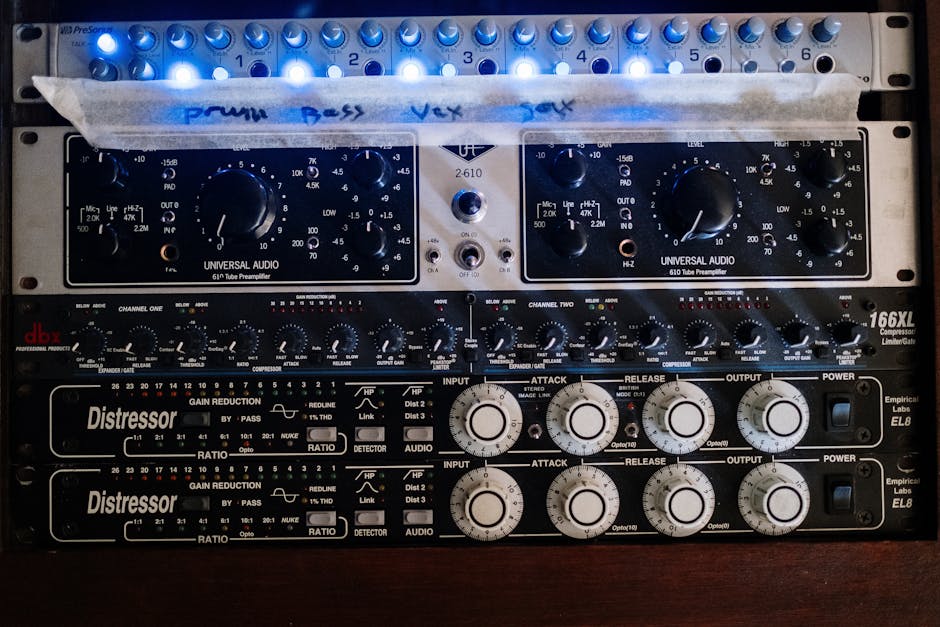
Universal Audio 1176 vs. Teletronix LA-2A: Classic Analog Compressor Comparison
Technical comparison of the 1176 FET and LA-2A optical compressor: features, applications, and synergies in modern production.
Coral Multimic Techniques: Stereo, Support, and Digital Processing for Aural Capture
Technical analysis of stereo configurations, support microphones, and post-production for immersive choral recordings.

Mastering for Diverse Distribution Platforms: A Technical Optimization Guide
Technical analysis of mastering for streaming, physical formats, and immersive audio, covering LUFS, True Peak, and spatial considerations.