Evolution of the Home Studio: From Portastudio to AI Production and Immersive Audio
Trace the democratization of music production, from cassette recorders to sophisticated digital tools and 3D audio.

The Technological Evolution of the Home Studio: From Rarity to Norm
The evolution of music production has been a fascinating journey, marked by technological milestones that democratized access to tools once exclusive to major studios. At the heart of this transformation lies the story of the home studio, a concept that morphed from an experimental rarity into the backbone of contemporary sound creation. This historical journey not only chronicles the development of equipment but also the redefinition of how artists worldwide conceive and materialize their art, bringing creativity from the professional realm into the intimate space of the home.
In the mid-1970s, the idea of a recording studio outside a commercial setting seemed like a fantasy. However, innovation began to take shape with the emergence of devices like the TASCAM Portastudio 244 in 1979. This compact and relatively affordable multi-track cassette recorder allowed musicians and producers to record up to four audio tracks simultaneously or sequentially, a feat unimaginable for the average budget until that point. Artists began experimenting with these machines, capturing demos and even full albums with a characteristic analog warmth, albeit with the inherent limitations of the cassette format, such as background noise and reduced audio quality compared to professional reel-to-reel recorders. The need to experiment without the pressure of expensive studio time drove a generation of musicians to build their own rudimentary ‘sound laboratories,’ often in basements or spare rooms, using basic mixers, dynamic microphones, and elementary external effects processors. This period laid the groundwork for independent production, breaking down geographical and economic barriers.
The Impact of MIDI and Computing on Home Music Production
The advent of personal computing in the 1980s and its subsequent evolution in the 90s marked a turning point. The MIDI (Musical Instrument Digital Interface) standard, introduced in 1983, enabled communication between electronic instruments and computers, opening the door to sequencing and controlling synthesizers from software. Programs like Cubase and Logic Pro began as MIDI sequencers, progressively evolving to integrate digital audio recording. Audio interfaces and sound cards, though initially rudimentary, allowed for the conversion of analog to digital signals, and vice versa, with increasing fidelity. This shift meant a drastic reduction in the size and cost of equipment, eliminating the need for large tape recorders and physical mixing consoles. Non-destructive editing capabilities and the ability to store countless tracks and versions without the wear and tear of physical media transformed the creative process. The proliferation of effects and processing plugins, which emulated expensive hardware gear, put professional-level tools within reach of home producers, further democratizing high-quality production. The home studio ceased to be a curiosity and became a viable production hub, capable of generating competitive results.
Today, the home studio has reached an unprecedented level of sophistication and accessibility. A powerful computer, a quality audio interface, a pair of reliable studio monitors, and a suitable microphone are the pillars of a modern setup. Current DAWs like Ableton Live, FL Studio, or Pro Tools offer complete production environments, integrating recording, editing, mixing, and mastering. Constant innovation in software is palpable: plugins utilizing artificial intelligence to assist in mixing and mastering tasks (such as those from iZotope, offering analysis and suggestions), vocal tuning tools with astonishing precision, and emulations of vintage hardware with surprising realism (like plugins from Universal Audio).
Remote and collaborative production has become the norm, facilitated by platforms that allow musicians from different locations to work on the same project. The impact of streaming and social media has driven artists to maintain a constant flow of high-quality content, making the home studio an indispensable tool.
Furthermore, immersive music, with formats like Dolby Atmos, is beginning to be accessible to creators at home, enabling three-dimensional sound experiences previously exclusive to major film studios. Companies like Genelec or Neumann offer monitoring and microphone solutions that, while an investment, are designing more compact products adapted to smaller spaces. The integration of sample and loop services (like Splice or Loopcloud) and the proliferation of advanced MIDI controllers have exponentially expanded creative possibilities, allowing producers to explore genres and textures with unprecedented freedom. Online training and specialized educational resources (like Sound on Sound or MusicTech) have complemented this technological accessibility, empowering a new generation of producers to maximize the potential of their personal workspaces. This ecosystem of tools and knowledge has solidified the home studio as the epicenter of current musical innovation, from independent scenes to emerging artists worldwide.
Contemporary Home Studios: AI, Collaboration, and Immersive Formats
From rudimentary Portastudios to complex AI-powered digital environments, the trajectory of the home studio reflects a relentless pursuit of artistic expression without barriers. What began as an act of rebellion against the limitations of traditional studios has transformed into an industry standard, enabling anyone with vision and dedication to produce professional-quality music from the comfort of their home. This legacy continues to evolve, promising a future where creativity and technological innovation continue to merge, redefining the boundaries of music production.
Related Posts

Musical Field Recording: Equipment, Methodology, and Processing for Contemporary Sound Creation
Integrating real-world textures into music: capture techniques, equipment, and post-production for authentic soundscapes.
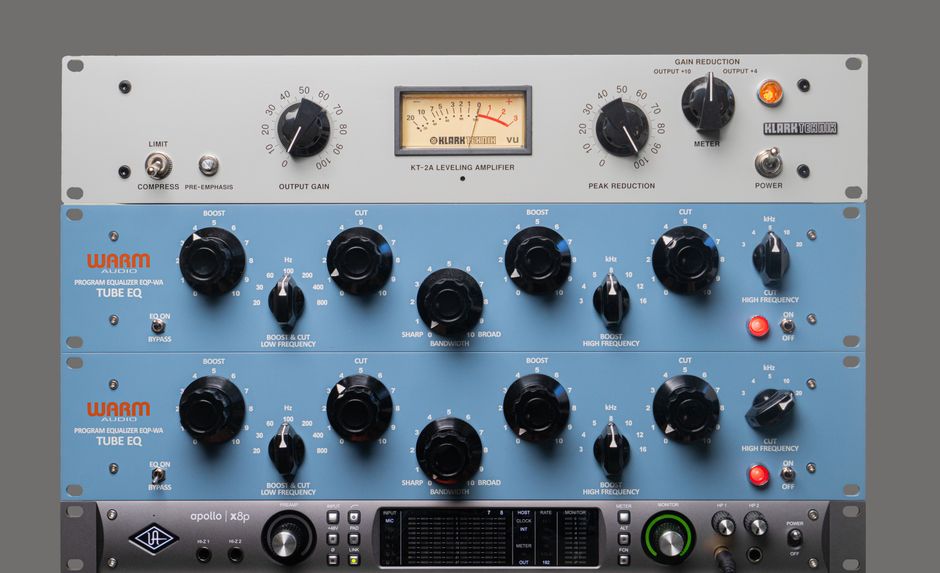
Adaptive Compression: Intelligent Dynamic Control for Sophisticated Music Production
Technical analysis of adaptive compression, its algorithms, and application for optimizing dynamics in mixes and masters.

Physical Modeling Synthesis: Simulating Acoustic Principles for Advanced Sound Design
Explore how simulating physical phenomena generates realistic and expressive timbres, overcoming traditional technique limitations.

Acoustic and Digital Innovation in Contemporary Classical Music Production
Exploring the synergy between classical instrumentation and digital audio for immersive, high-fidelity sound experiences.