Integrating Hardware Synthesizers: Setup, Recording, and Processing in Digital Production
Optimize the capture and processing of hardware synthesizers. Connection, synchronization, and mixing techniques for distinctive sound textures.

Technical Setup and Connection of Hardware Synthesizers
The integration of hardware synthesizers into contemporary music production is a fundamental pillar for creating distinctive, high-quality sound textures. Despite the exponential advancement of virtual instruments, the analog resonance, tactile manipulation, and unique sonic characteristics of physical synthesizers remain irreplaceable for many producers and audio engineers. This analysis explores the essential methodologies and technical considerations for efficient recording and subsequent integration of these instruments into digital production environments, covering everything from initial setup to advanced processing techniques that optimize their presence in the final mix.
The process of recording hardware synthesizers begins with meticulous configuration. Audio connection is paramount; it is typically established through the balanced or unbalanced line outputs of the synthesizer to the line-level inputs of an audio interface. It is crucial to select an interface with high-quality AD/DA converters to preserve the integrity of the analog signal. Brands such as Universal Audio (Universal Audio) or RME offer robust solutions in this area. Proper gain staging is vital to avoid clipping or excessive noise levels, establishing an optimal input level around -18 dBFS to -12 dBFS.
MIDI Synchronization and Hybrid Workflows
MIDI synchronization is another critical aspect. Synthesizers can be controlled via an external MIDI controller, a master keyboard, or directly from the Digital Audio Workstation (DAW). The connection is made via 5-pin MIDI DIN or, in many modern models, through USB MIDI. Using dedicated MIDI interfaces or the integrated MIDI functionality of an audio interface ensures stable, low-latency communication. Configuring the MIDI clock in the DAW, preferably as the master clock, guarantees that the tempo and quantization of the synthesizer sequences remain aligned with the rest of the project. In some synthesizers, such as those from Elektron or Teenage Engineering’s Overbridge series, integration is simplified via a single USB cable that transmits multichannel audio along with MIDI and control data, allowing for deep automation directly from the DAW.
Once the connection is established, the choice of capture technique directly influences the sonic character. Direct recording of the synthesizer is the most common option, providing a clean signal without external coloration. However, exploring re-amping through guitar amplifiers or analog effects pedals can add significant textural dimension. This technique involves sending the recorded synthesizer signal to an external device and then recording it again, allowing for experimentation with distortions, modulations, and reverberations in an analog domain.
Analog Audio Capture and Processing Techniques
Initial tonal shaping can be performed either on the synthesizer itself or with external tools. The synthesizer’s internal filters, envelopes, and effects (delay, reverb, chorus) should be considered an integral part of its sound. Subsequently, processing within the DAW allows for signal refinement. Equalization (EQ) is fundamental for integrating the synthesizer into the mix, removing problematic frequencies and enhancing key harmonics. Compression is applied to control dynamics and provide cohesion. It is noteworthy to highlight the use of analog emulation plugins of classic consoles and equipment (such as those from Solid State Logic or Neve) which can impart a desired vintage character without the investment in additional hardware. Experimentation with spatiality, using algorithmic or convolution delays and reverbs, is crucial for positioning the synthesizer’s sound in the stereo or immersive environment, a growing trend on platforms like Spotify and Apple Music.
Optimizing the workflow when integrating hardware synthesizers into a modern production environment is essential for efficiency and creativity. Beyond audio recording, the ability to automate synthesizer parameters from the DAW exponentially expands sonic possibilities. This is achieved by mapping MIDI controllers or utilizing the advanced control implementations offered by some manufacturers. For example, Ableton Live with its External Instrument feature or Overbridge plugins facilitate deep integration, allowing simultaneous recording of audio and MIDI and automation of almost any synthesizer parameter in real time.
Optimization and Current Trends in Digital Integration
An advanced practice is recording multiple takes with different sound configurations or automations. This provides a broader sonic palette during mixing and allows for complex layering. Experimentation with cross-modulation, granular synthesis, or processing with unconventional effects (such as bitcrushers or formant shifters) can lead to unique results. The current trend towards remote collaborative production also impacts hardware use: once synthesizer tracks are recorded, they are exported as high-quality stems for sharing with collaborators, ensuring that the hardware’s distinctive character is preserved in globally distributed projects. AI, while still nascent in direct hardware synthesis, already offers tools for assisted analysis and mastering, which may influence how synthesizer recordings are prepared for the final product.
Recording hardware synthesizers is a process that combines technique, creativity, and a deep understanding of the interaction between analog and digital. From the initial setup of the signal and MIDI synchronization to the application of advanced processing techniques and integration into hybrid workflows, each stage contributes to forging a unique sound. The persistent relevance of these instruments in the digital age underscores the importance of thoroughly understanding these methodologies to enrich any music production with authentic textures and unparalleled expressiveness. Continuous exploration of new technologies and adaptation of traditional techniques are key to maximizing the sonic potential of hardware synthesizers in today’s musical landscape.
Related Posts
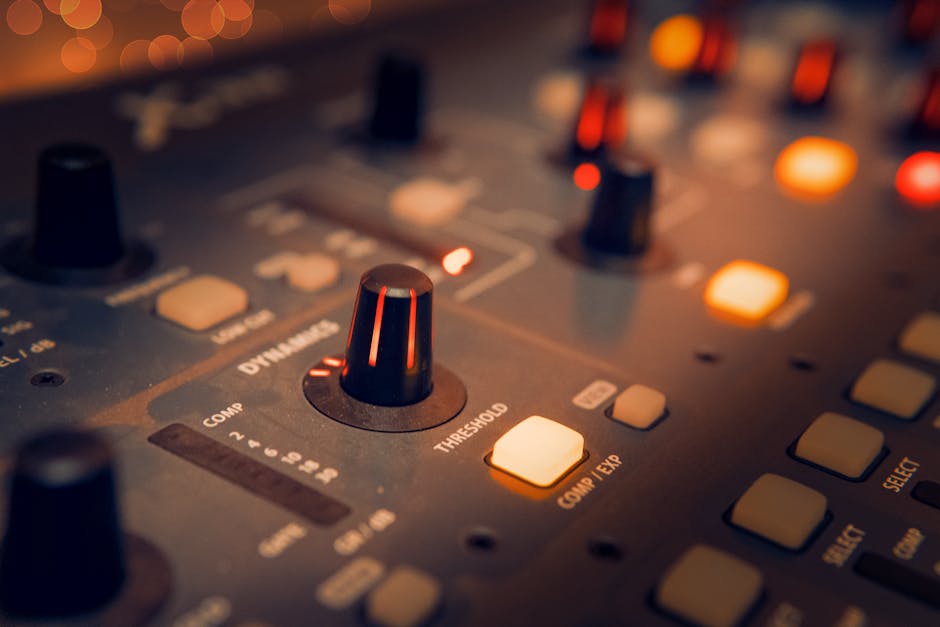
Olympic Studios: Pioneering Acoustics and Technological Legacy in Global Music Production
A technical exploration of Olympic Studios' acoustic and technological impact on contemporary music recording.
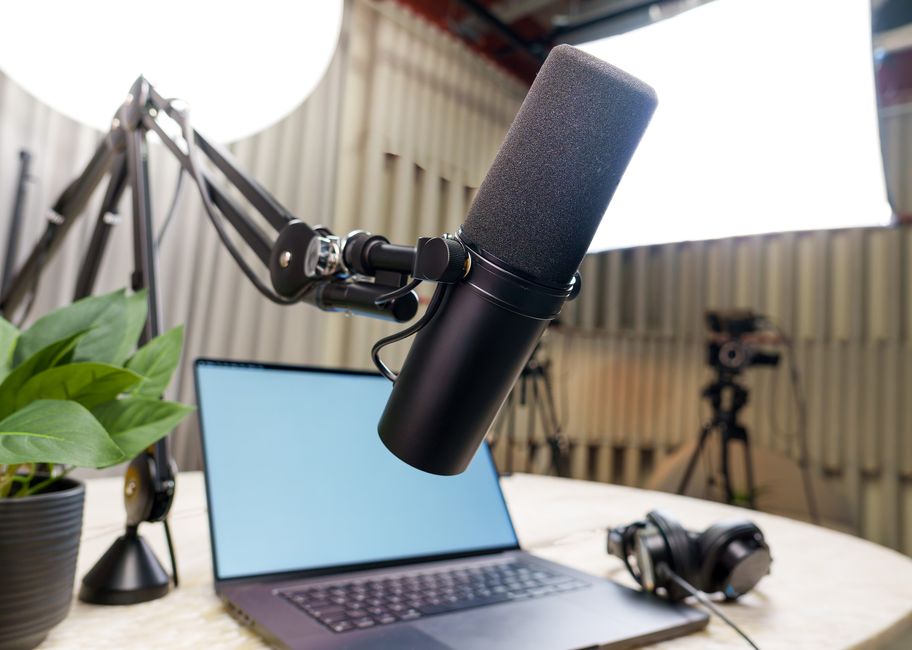
Acoustics and Psychoacoustics in Music Podcasts: Optimizing Listener Experience and Sound Fidelity
Technical analysis of music podcast production, from pre-production to distribution, focusing on audio quality.

Mastering Immersive Audio: Spatial Processing, Monitoring, and Delivery for Multichannel Formats
Technical analysis of mastering for immersive audio (Dolby Atmos, 360 Reality Audio), covering monitoring, dynamic/spectral processing, and distribution.

Capturing Double Reeds: Transducer Selection, Placement, and Processing
Technical analysis of microphones and processing to preserve the timbre and articulation of oboes, bassoons, and English horns in the studio.