Advanced Vocal Tuning: Precision, Musicality, and Sound Design in Modern Production
Exploring vocal tuning techniques, from granular editing to AI, to optimize performances and adapt to immersive formats.
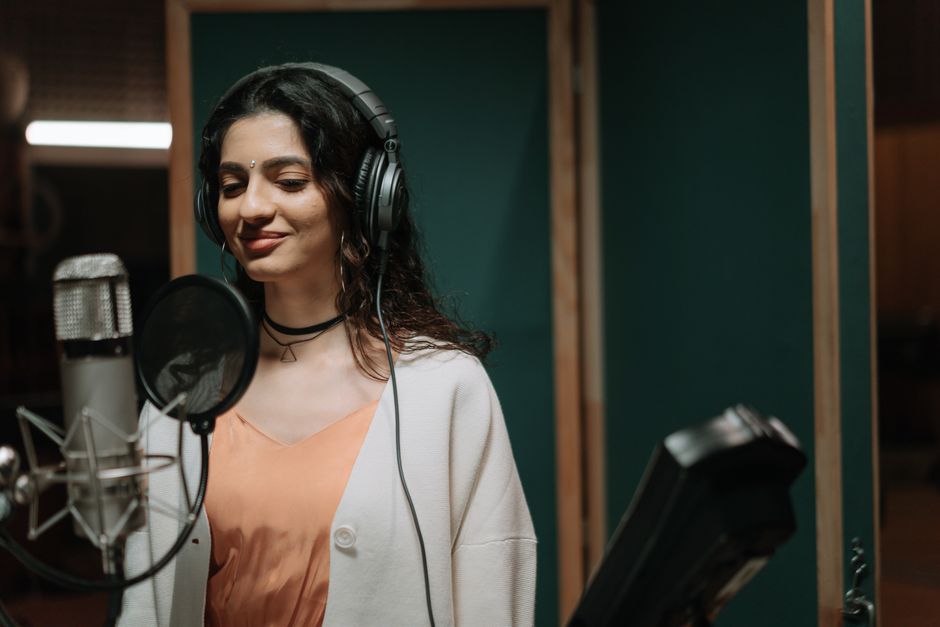
Advanced Vocal Tuning and Timing Processing
The human voice is the central pillar in countless musical productions, and its technical treatment has evolved significantly. Beyond basic pitch correction, advanced vocal tuning techniques allow for sculpting performances with previously unattainable precision and musicality. This approach goes beyond simply ‘straightening’ notes; it seeks to preserve the emotion, dynamics, and unique character of each vocalist, while optimizing their impact in the final mix. The integration of sophisticated tools and detailed methodologies is crucial to achieve professional results that resonate with current industry expectations.
Surgical voice editing involves granular manipulation that transcends simple pitch correction. Tools like Celemony Melodyne [https://www.celemony.com/en/melodyne/what-is-melodyne] or Antares Auto-Tune Pro X [https://www.antarestech.com/products/auto-tune/auto-tune-pro-x] offer detailed control over parameters such as pitch deviation, vibrato modulation, and the attack and decay of each note. The ability to adjust ‘pitch drift’ allows for smoothing vocal transitions without introducing artifacts, maintaining the naturalness of the performance. Furthermore, precise temporal synchronization is fundamental. In recordings with multiple vocal takes or doubles, exact alignment of transients and phrases can generate superior cohesion and sonic impact. Software like Synchro Arts Revoice Pro [https://www.synchroarts.com/products/revoice-pro/overview] facilitates this task, enabling the transfer of pitch, timing, and groove from a guide track to other vocal or instrumental tracks, achieving formidable unity in choirs or complex harmonies. These techniques are especially relevant in genres where rhythmic precision and vocal articulation are paramount, from contemporary pop to progressive metal.
Artificial intelligence (AI) is redefining the landscape of vocal tuning. New plugins like iZotope Nectar [https://www.izotope.com/en/products/nectar.html] incorporate AI modules that can analyze the voice and suggest optimized processing chains, including tuning, dynamics, and effects. These advancements not only accelerate the workflow but also open doors to creative possibilities. For instance, using AI to generate realistic harmonies or to transform vocal texture in innovative ways, overcoming the limitations of manual manipulation.
Beyond correction, advanced tuning becomes a sound design tool. Formant manipulation, for example, allows for altering the perceived age or gender of a voice without changing its pitch, offering a wide spectrum of vocal textures for special effects or characters. The creation of artificial ‘doubles’ or the generation of precise robotic effects are just some of the creative applications these tools facilitate, allowing producers to explore unique and distinctive sonic landscapes. This convergence of technical precision and artistic exploration is one of the most exciting trends in current vocal production.
The contribution of impeccable vocal tuning to the overall coherence of the mix is undeniable. A well-tuned and rhythmically solid voice sits better in the sonic landscape, interacting more effectively with the rest of the instrumental elements. This reduces the need for excessive EQ or compression processing to ‘fit’ the voice, freeing up space for other instruments and creating a clearer, more balanced mix. In the context of current trends, such as immersive audio and Dolby Atmos, vocal precision gains even greater importance. In these formats, where sound is distributed in a three-dimensional space, any imprecision in pitch or timing can be magnified, breaking the illusion of immersion. Meticulous vocal tuning ensures that the voice occupies its desired place in space, contributing to an enveloping and believable listening experience. Platforms like Spotify [https://artists.spotify.com/es/help/article/dolby-atmos] are already driving these formats, and preparing vocals for such an environment is a critical step in modern production. The ability to control the voice’s spatiality, along with its pitch and timing, is a key differentiator in high-end productions.
Advanced vocal tuning techniques represent a fusion of science and art, essential for contemporary musical productions. From the surgical editing of micro-tunings and temporal synchronization, to the integration of artificial intelligence and adaptation to immersive formats, the technical approach to the voice is more complex and creative than ever. The goal is not robotic perfection, but the optimization of the human performance so that its message and emotion resonate with maximum clarity and impact. By understanding and applying these methodologies, producers and vocalists can elevate the quality of their work, preparing it for the challenges and opportunities of the current audio landscape.
Related Posts

Synthesis and Digital Processing in Contemporary New Age Production
Technical analysis of virtual instruments, field recordings, and immersive audio in New Age creation.
Neural Style Transfer in Vocal Synthesis: Principles, Applications, and Challenges in Music Production
A technical exploration of neural style transfer for realistic and expressive synthetic voices in audio production.

Algorithmic Music Composition for Neural Simulations: Design and Application
Explore the synergy between music production and computational brain models for interactive, adaptive sound experiences.

Psychoacoustic Principles and Advanced Tools in Musical Sound Spatialization
Acoustic foundations, M/S techniques, and immersive audio for sonic depth and width in productions.