Universal Audio 1176 vs. Teletronix LA-2A: Features, Application, and Synergy in Sound Engineering
Technical comparison of the 1176 FET and LA-2A optical compressor: strategic choices for sculpting dynamics and sonic character in modern productions.

Universal Audio 1176: Solid-State FET Compression and Rapid Response
Sound engineering has been shaped by tools that transcend generations, and among them, the Universal Audio 1176 and Teletronix LA-2A compressors hold a paradigmatic place. These units, born in different eras and with divergent design philosophies, continue to be cornerstones in recording studios worldwide, from Buenos Aires to Los Angeles. Their relevance is not diminished by the proliferation of plugins and new technologies, but rather reaffirmed by their unique sonic qualities. Understanding the inherent differences between the solid-state 1176, with its ultra-fast FET compression, and the tube-driven optical LA-2A, is fundamental for any producer or engineer seeking to sculpt dynamics with precision and character. The choice between one or the other, or their combination, largely defines the texture and presence of elements in a mix, adapting to the demands of genres ranging from raw rock to polished electronic music.
The Universal Audio 1176, introduced in the late 1960s, is synonymous with speed and controlled aggression. Its Field-Effect Transistor (FET) compression design grants it an exceptionally fast response in both attack and release, making it an ideal tool for taming transients and adding “punch” to sound sources. Its solid-state circuitry also introduces a distinctive harmonic coloration that can range from subtle saturation to more apparent distortion, especially in its famous “all buttons in” or “bomb mode.” This extreme setting, where all ratio buttons are engaged, generates non-linear compression and rich harmonic distortion, highly valued for drums, electric guitars, and vocals that need to cut through the mix. In contemporary music production, the 1176 is indispensable for giving presence to snare drums and kick drums, enhancing the articulation of an electric bass, or injecting energy into a lead vocal. Modern digital emulations, such as those offered by Universal Audio on its UAD platform or plugins from developers like Waves and Arturia, faithfully replicate these characteristics, allowing producers to integrate this classic sound into entirely digital workflows, even in productions geared towards immersive formats like Dolby Atmos, where the clarity and impact of each element are crucial. To explore more about the technical specifications of the original hardware, you can consult the information provided by Universal Audio on their official website: https://www.uaudio.com/compressors/1176-classic-limiter.html.
Teletronix LA-2A: Tube Optical Attenuation and Smooth Compression
In contrast, the Teletronix LA-2A, released in the early 1960s, represents the antithesis of the 1176 in terms of dynamic response. Its optical design, based on a photocell (the famous T4 optical attenuator) and a tube circuit, produces inherently slower and smoother compression. The LA-2A is known for its ability to handle a signal’s dynamic range almost imperceptibly, adding natural warmth and sustain without crushing transients. It lacks user-adjustable attack or release controls; its response is program-dependent, adapting to the audio material. This characteristic makes it invaluable for smoothing vocals, leveling acoustic or electric basses with a particular roundness, and adding subtle cohesion to acoustic guitars or pianos. The warmth imparted by its tubes is a highly sought-after attribute in the digital age, where recordings can sound pristine but sometimes lack character. Many engineers use it to infuse an analog feel into digital recordings, complementing the cleanliness of modern DAWs. Its emulations are also widely used in pop, folk, and R&B productions, where smoothness and harmonic richness are priorities. More details about its operation and legacy can be found on the Universal Audio website: https://www.uaudio.com/compressors/la-2a-leveling-amplifier.html.
The strategic combination of both compressors, known as “serial compression,” is an advanced technique that capitalizes on their individual strengths. For example, an 1176 can be used first to control aggressive peaks and add initial “punch” to drums or vocals, followed by an LA-2A to smooth the result, add sustain, and impart overall warmth, thus achieving robust dynamic control without sacrificing musicality. This technique is especially relevant in current productions where the demand for a polished yet characterful sound is constant. In the context of current trends, such as remote production and the increasing use of artificial intelligence-based tools for mixing and mastering, understanding these classic compressors allows engineers and producers to make informed decisions about what kind of “color” and dynamic behavior they need. Some AI mastering plugins even incorporate algorithms that emulate the compression curves and harmonic characteristics of these iconic units, offering “intelligent” versions of their sound. Experimentation with these tools, both in hardware and their virtual equivalents, remains a cornerstone for sonic differentiation in an increasingly competitive music market, from recording studios in Palermo to global streaming platforms like Spotify. A good article on advanced compression techniques can be found on Sound on Sound: https://www.soundonsound.com/techniques/advanced-compression.
Serial Compression Techniques: Strategic Combination of 1176 and LA-2A
In summary, the choice between the Universal Audio 1176 and the Teletronix LA-2A, or their combination, is not a matter of superiority, but of strategic application and desired sonic outcome. The 1176 excels at managing transients and injecting energy with aggressive, defined coloration, ideal for elements that need to stand out. The LA-2A, on the other hand, offers transparent compression and organic warmth, perfect for subtly leveling and enriching sources. Both compressors, with their well-established legacies, continue to be essential tools that adapt to and enrich modern music production methodologies, demonstrating that technological innovation often builds upon the foundations of analog excellence. A deep understanding of their characteristics allows contemporary producers to sculpt a distinctive sound that resonates with current and future audiences.
Related Posts

Room Acoustics for Home Studios: Sound Phenomena, Treatment, and Calibration
Acoustic fundamentals for optimizing home workspaces, addressing reflections, resonances, and monitor calibration.
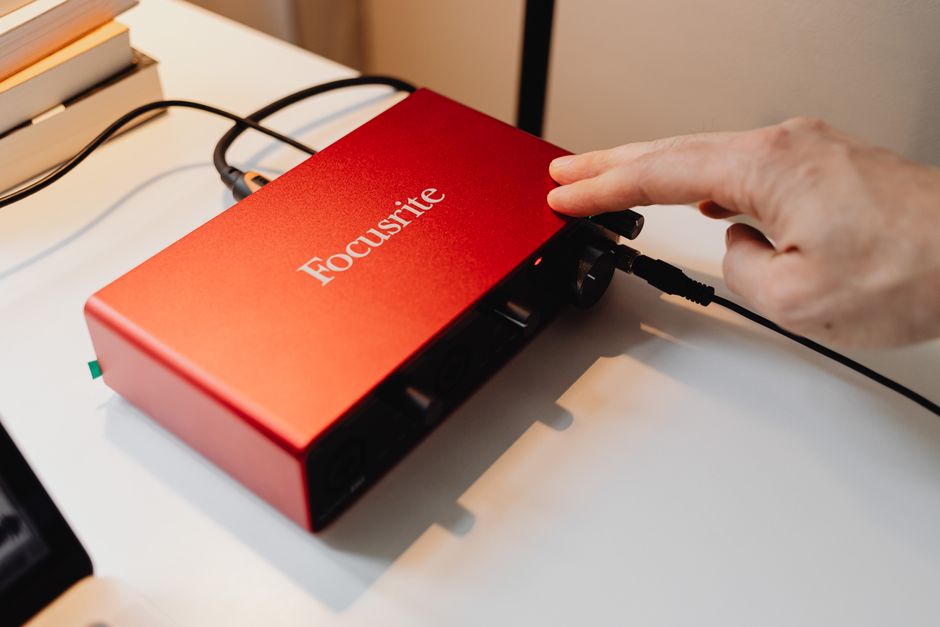
Evolution of USB Audio Interfaces: From Limited Connectivity to Professional Production
Historical analysis of USB audio interfaces: impact of bandwidth, latency, and standardization on modern music production.

Intermodulation Distortion: Origin, Analysis, and Mitigation in Modern Audio Systems
Delve into intermodulation distortion, its causes, SMPTE/CCIF measurement methods, and attenuation strategies for superior sound fidelity.

Rockfield's Residential Legacy: Acoustics, Immersion, and the Evolution of Music Recording
Rockfield Studios: immersive acoustics and influential recording legacy. Exploring its impact on modern music production.