Sound Engineering for Programmable Instruments: Recording, Processing, and Modern Workflows
Explore MIDI/Audio signal management, digital processing, AI, and immersive production for programmable instruments.
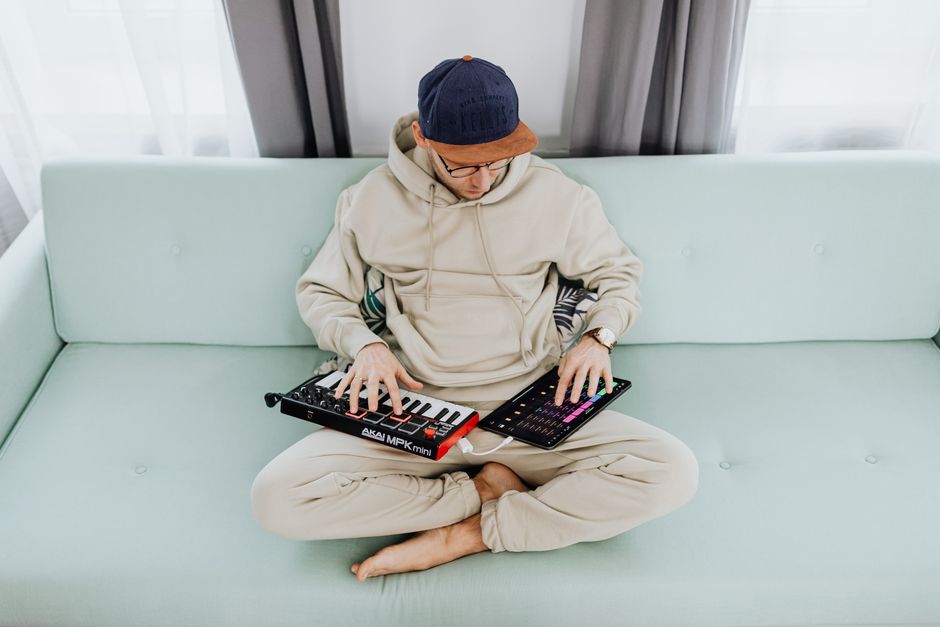
Signal Management: MIDI and Audio Capture
Contemporary music production is largely defined by interaction with programmable instruments. From classic analog synthesizers to complex software environments and digital modular audio, these devices offer a universe of sonic possibilities that transcend the limitations of traditional acoustic instruments. Recording and manipulating these sound sources require specific technical understanding to capitalize on their expressive potential and ensure coherent integration into any production. The constant evolution of sound design tools and methodologies demands continuous updating of studio practices, adapting to innovations that redefine the sonic landscape.
The cornerstone of recording programmable instruments lies in correct signal management, whether in MIDI or audio format. MIDI (Musical Instrument Digital Interface) does not transmit sound, but rather control data: notes, velocity, modulation, and other parameters that a synthesizer or sampler interprets to generate audio. MIDI recording offers the flexibility to modify any aspect of the performance after capture, from tuning to timing, without altering the original timbre. This allows for unprecedented creative experimentation and precise correction.
For audio capture, the choice of interface is crucial. A high-quality audio interface with transparent analog-to-digital (AD/DA) converters ensures that the instrument’s sound is faithfully preserved. Synchronization is another critical factor; using a stable master clock (word clock) minimizes jitter, a timing error that can degrade stereo imaging and transient clarity. Latency, the delay between the musician’s action and the playback of the processed sound, must be optimized through appropriate settings in the DAW and interface, aiming for low values for a fluid playing experience.
Processing and Synthesis of Programmable Sounds
Current innovations include the MIDI 2.0 standard, which expands the resolution of control messages and allows for richer bidirectional communication between devices, opening new avenues for musical expression and hardware-software integration. Advanced MIDI controllers, such as Ableton’s Push series (Ableton) or Native Instruments’ keyboards (Native Instruments), offer an intuitive tactile interface that blurs the line between composition and performance, enabling more organic interaction with virtual and hardware instruments.
Once the signal is captured, digital processing becomes the phase where the sonic character of programmable instruments can be sculpted and transformed. Synthesis techniques (subtractive, FM, wavetable, granular) and sampling are the pillars of timbre creation, and their manipulation within the DAW is fundamental. Applying effects such as modulation (chorus, flanger, phaser), delay, reverb, distortion, and compression is essential for shaping sounds and positioning them within the mix space.
The current trend leans towards using plugins that accurately emulate the behavior of classic analog gear, such as Universal Audio (Universal Audio) compressors or SSL (Solid State Logic) equalizers, bringing warmth and character to digital sounds. Furthermore, artificial intelligence (AI) is making inroads into sound design with tools that assist in texture generation, adaptive mastering, or the creation of complex effects. Plugins like iZotope Neoverb (iZotope), which uses AI to suggest and adapt reverbs, or Arturia’s (Arturia) advanced synthesizers, which model circuits with great fidelity, are examples of how technology redefines creative possibilities. Virtual modular synthesis, with environments like VCV Rack or Softube Modular, allows producers to explore complex sonic architectures without the initial investment in physical hardware, offering immense flexibility for timbral experimentation.
Workflow Integration and Mixing Techniques
Effective integration of programmable instruments into a modern studio workflow is vital for optimizing production. DAWs like Ableton Live, Logic Pro, or Cubase offer robust environments for recording, editing, and mixing MIDI and audio tracks, with advanced capabilities for parameter automation and virtual instrument management. Track organization, the use of groups and buses, and a clear signal routing strategy are essential practices for maintaining clarity and control over the mix.
Mixing techniques for programmable sounds often involve a delicate balance between presence and space. Precise equalization to avoid frequency masking, compression to control dynamics, and creative use of reverb and delay to create depth and atmosphere are fundamental. Mastering productions with a strong presence of synthetic sounds requires special attention to timbral coherence and spectral energy to ensure the music translates well across diverse playback systems.
The current landscape of music production is also characterized by remote collaboration. Platforms like Splice (Splice) allow artists to share projects, samples, and presets, facilitating joint creation without geographical limitations. Likewise, immersive audio, with formats like Dolby Atmos, is opening new dimensions for programmable sounds. The ability to position sonic elements in a three-dimensional space offers sound designers an even richer palette for building enveloping soundscapes, where synthesizers and digitally generated textures can take on new spatial life (Dolby Atmos Music). This approach requires a reevaluation of mixing and mastering techniques, adapting to the distribution of sound objects in a 3D environment.
Innovations and Trends in Contemporary Music Production
Recording and producing programmable instruments represent a dynamic and constantly expanding field within audio engineering. From the meticulous setup of the MIDI and audio signal chain to the application of advanced sound design techniques and integration into collaborative workflows, each stage demands technical knowledge and creative vision. The adoption of new technologies, from MIDI 2.0 to artificial intelligence and immersive audio formats, not only simplifies certain processes but also exponentially expands the frontiers of musical expression. For today’s producers and musicians, mastering these tools and staying abreast of innovations is key to sculpting contemporary soundscapes and taking their productions to a higher level, harnessing the limitless richness these instruments offer.
Related Posts

The Muscle Shoals Sound: Audio Engineering, Innovation, and Legacy in Music Production
Technical analysis of the Muscle Shoals Sound, its engineering innovations, and its enduring influence on contemporary music production.

Vocal Tuning Processing: Technical Principles and Creative Applications in Contemporary Music Production
Exploring autotune and formant manipulation for innovative vocal sound design and unique textures in modern music.

Spectral Analysis in Audio: Frequency Decomposition for Mixing, Mastering, and Sound Design
Delve into the frequency decomposition of audio via spectral analysis, key for mixing, mastering, and sound design.

Dread Mar I's Instrumental Legacy: Crafting Unforgettable Reggae Hooks
Dive into the signature instrumental artistry of Dread Mar I, exploring the basslines, guitar skanks, and melodies that define his iconic reggae sound.