The Evolution of Digital Performer: From MIDI Sequencer to Comprehensive Music Production DAW
A technical deep dive into Digital Performer's journey, its impact on music software engineering, and its adaptation to technological demands.
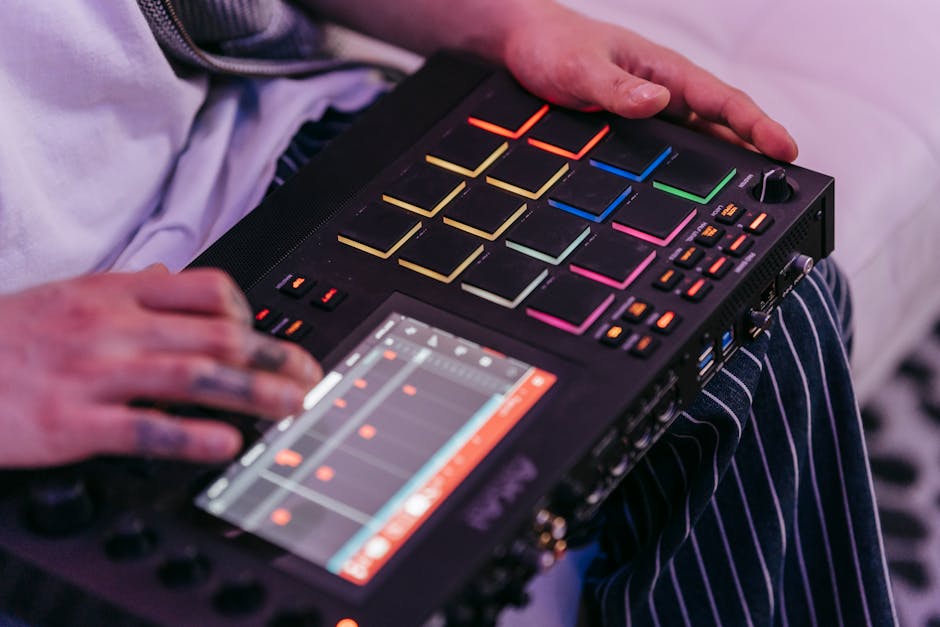
Genesis of Digital Performer: The Evolution of MIDI Sequencing
Mark of the Unicorn’s (MOTU) Digital Performer (DP) stands as a cornerstone in the development of Digital Audio Workstations (DAWs). Its trajectory, spanning over three decades, illustrates the evolution of music production, from the dawn of MIDI sequencing to today’s sophisticated audio post-production tools. Understanding its genesis and adaptation to changing technological demands offers an invaluable perspective on music software engineering and its industry impact.
Digital Performer’s origins trace back to 1984 with the release of “Performer,” a pioneering MIDI sequencer designed for the Macintosh platform. In an era dominated by studio hardware, Performer distinguished itself with its timing precision, robust MIDI editing capabilities, and innovative integration with SMPTE timecode. These features rapidly made it an indispensable tool for film, television, and game composers who required flawless synchronization between their musical arrangements and visual content. The graphical user interface, though rudimentary by today’s standards, offered a clear visual representation of MIDI notes and events, facilitating composition and arrangement in a digital environment. The ability to manipulate MIDI data with extreme granularity, coupled with an intuitive editing environment, solidified its reputation as a cutting-edge solution for MIDI-based music creation. This period laid the foundation for what would become one of the most comprehensive DAWs on the market, focused on precision and flexibility.
Transition to a Comprehensive DAW: Audio and MIDI in Harmony
The crucial transition to a full-fledged digital audio workstation materialized with the launch of Digital Performer in the 1990s. This milestone transformed Performer from a MIDI sequencer into a comprehensive environment that combined audio recording and editing with its already established MIDI capabilities. The incorporation of features such as audio tempo and pitch manipulation, support for VST and AU plug-ins, and an advanced mixing engine positioned DP as a formidable competitor in the professional DAW market. Its close integration with MOTU’s audio interfaces ensured minimal latency and optimized performance, a significant advantage for audio engineers and producers. The ability to work with audio and MIDI simultaneously and fluidly, alongside integrated music notation tools, maintained its appeal for composers, enabling them to move from MIDI sketching to final audio production within a single application. The focus on efficient workflows for audio post-production and orchestral composition has been a constant in its development. Detailed information on its current features can be found on the official MOTU website: https://motu.com/products/software/dp/.
In recent decades, Digital Performer has continued its evolution, adapting to the latest trends and technological advancements in music production. Modern versions incorporate 64-bit architectures, enhanced user interfaces, and an expanded suite of effects and virtual instruments. The DAW has integrated support for immersive audio formats, such as Dolby Atmos, reflecting the growing demand for three-dimensional listening experiences in music and film. Its “Chunks” feature allows users to manage multiple versions of songs or arrangements within the same project, an invaluable tool for experimentation and collaboration. Furthermore, Digital Performer has explored compatibility with emerging technologies, such as next-generation MIDI controllers and integration with cloud collaboration platforms, facilitating the remote workflows that are increasingly prevalent in the industry. The ability to precisely synchronize audio and video remains a strength, crucial for soundtrack production and post-production. Compatibility with open standards and flexibility in configuring hybrid studios, which combine analog hardware with digital processing, demonstrate its commitment to the current needs of audio professionals. Some technical analyses can be found in specialized publications like Sound on Sound: https://www.soundonsound.com/reviews/motu-digital-performer.
Modern Technological Adaptation: Architectures and Immersive Formats
Digital Performer’s trajectory is a testament to constant innovation in music production software. From its humble beginnings as a MIDI sequencer to its current status as an adaptable, comprehensive DAW, MOTU has maintained a commitment to precision, functionality, and responsiveness to the needs of audio professionals. Its evolution mirrors the fundamental shifts in how music is conceived, produced, and distributed, solidifying its place as an essential tool for composers, producers, and sound engineers worldwide.
Related Posts
Sonic Integration of Hybrid Genres: Dynamic, Spectral, and Spatial Processing
Mixing techniques to fuse disparate musical styles, optimizing frequencies, dynamics, and spatiality in contemporary productions.

Machine Learning in Mastering: Sonic Optimization and Platform Adaptability
Exploring the role of ML in optimizing music mastering, ensuring sonic quality across diverse playback platforms.

Psychoacoustics and Sound Design: Fundamentals for Meditative Music Production
Exploring synthesis, signal processing, and mastering techniques to craft immersive and calming soundscapes.

Spectral Analysis in Audio: Principles, Applications, and Advances in Sound Production
Dissects the frequency anatomy of sound. Understand FFT, spectrograms, and their impact on equalization, dynamics, and sound design.