Advanced Music Systems: Pioneers in the Analog to Digital Audio Effects Transition
Exploring AMS's legacy and its impact on digital reverb and delay evolution in music production.

The Evolution of Audio Effects: From Analog to Digital
The evolution of audio effects has been a fundamental pillar in shaping the sonic landscape of modern music. From the natural reverberations of architectural spaces to complex digital manipulations, the pursuit of sonic textures and atmospheres has driven technological innovation in the studio. In this context, Advanced Music Systems (AMS) emerges as a central figure, marking a turning point in the transition from analog effects to the precision and versatility of the digital domain. Understanding their journey not only delves into the history of music production but also recognizes the foundations upon which today’s tools are built.
The dawn of sound manipulation dates back to rudimentary yet ingenious techniques. Before the digital era, sound engineers employed acoustic and electromechanical methods to add depth and character to recordings. Reverberations were achieved using echo chambers—large rooms with speakers and microphones capturing reflected sound. Plate reverbs, like the renowned EMT 140, utilized a vibrating metal sheet to simulate spaces, while delays were generated with tape machines, manipulating the distance between heads or tape speed. These systems, while effective and possessing a distinctive sonic character, presented significant limitations in terms of size, maintenance, flexibility, and repeatability. Calibration was constant, the physical space required considerable, and the ability to modify parameters in real-time was limited. These constraints fueled the need for more compact, reliable solutions with greater control over sound processing.
Pre-Digital Sound Processing Techniques
The digital breakthrough in audio effects was largely spearheaded by Advanced Music Systems. Founded in 1976 by Mark Crabtree and Stuart Nevison in Burnley, England, AMS aimed to apply nascent digital technology to the creation of studio tools. Their flagship product, the AMS RMX16 Digital Reverb, launched in 1981, revolutionized the industry. This processor not only offered pristine sound quality and a range of innovative reverb algorithms but also introduced concepts like non-linear reverb—a type of effect that became ubiquitous in 1980s music and beyond, noted for its dramatic and enveloping character. The RMX16 quickly became a standard in top-tier recording studios worldwide, used on countless iconic productions. Its user-friendly interface for the era and its ability to store user presets radically distinguished it from its analog predecessors. Concurrently, the AMS DMX15-80 Digital Delay, released before the RMX16, had already established the company as a pioneer in digital processing, offering unparalleled fidelity and control for delay and pitch-shifting capabilities. This equipment enabled engineers and producers to explore new sonic dimensions, from doubling and chorus effects to complex pitch manipulations, laying the groundwork for the digital time-based processing we consider standard today.
The impact of AMS extends to contemporary music production. Although the original units are cherished collector’s items, their legacy lives on through the continued influence of their algorithms and the development of high-fidelity software emulations. Companies like Universal Audio have faithfully recreated the character of the RMX16 in plugin format (available at: https://www.uaudio.com/uad-plugins/reverbs/ams-rmx16.html), allowing new generations of producers to experience its sonic magic. The design principles and digital processing quality established by AMS form the basis of many reverb and delay plugins we use today. The exploration of non-linear reverb, for example, remains a creative technique in modern genres where spatial and textural manipulation is crucial. Furthermore, in today’s landscape, where artificial intelligence is beginning to integrate into audio effects creation, and formats like immersive audio (Dolby Atmos) demand unprecedented spatial control, the precision and digital manipulation capabilities introduced by AMS are more relevant than ever. Remote collaborative production also benefits from the standardization and replicability of digital effects, ensuring consistency across different work environments. Understanding these historical fundamentals provides valuable perspective for any engineer or producer seeking to innovate with current tools.
AMS: Pioneers in the Digital Audio Processing Revolution
In retrospect, Advanced Music Systems not only created a series of legendary pieces of equipment but also laid the groundwork for the digital age in audio effects processing. Their vision and commitment to cutting-edge engineering transformed recording studios and, with them, the sound of music. From towering analog racks to compact digital processors, the history of AMS effects is a testament to how technological innovation can expand the boundaries of sonic creativity. The distinctive sound of their reverbs and delays remains a benchmark, and their design methodology continues to inspire the development of new tools, confirming their status as true pioneers in the history of professional music production. For more information about the company and its current products, visit https://www.ams-neve.com/.
Related Posts

Automated Emotional Resonance Analysis: Fundamentals and Applications in Music Production
Discover how AI and DSP unravel music's affective impact, optimizing auditory creation and personalization.
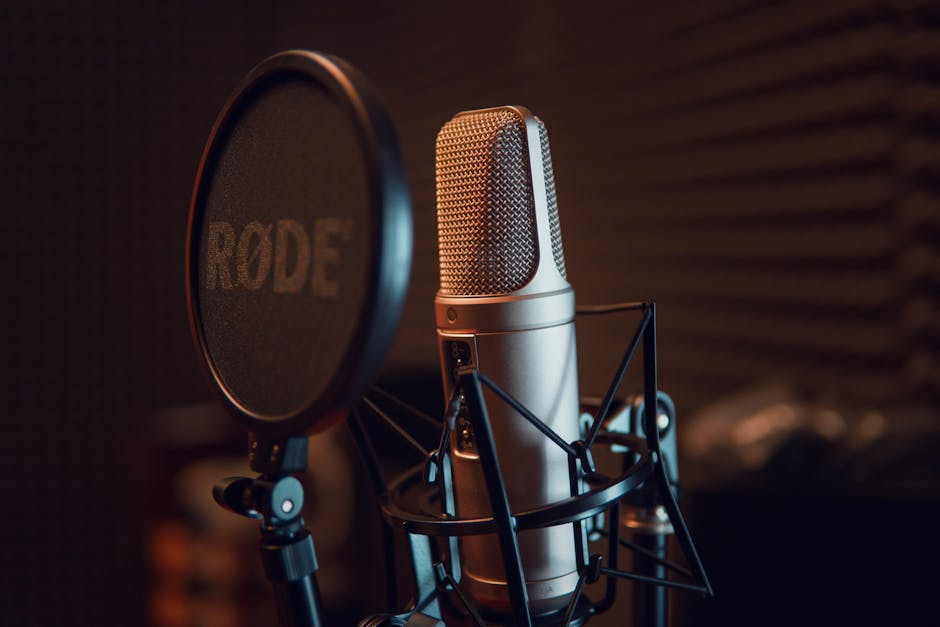
Dynamic vs. Condenser Microphones: Operating Principles, Performance, and Key Applications
A technical exploration of the operating principles, characteristics, and practical uses of dynamic and condenser microphones.

The Transistor in Professional Audio: Evolution, Impact, and Sonic Legacy of Solid State
Analyzes the transition from tubes to transistors in audio, highlighting technical advancements, sonic improvements, and influence on modern equipment.

Neural Style Transfer: Advances in Vocal Synthesis and Creative Implications
Analysis of neural style transfer in vocal synthesis, its applications in music, and ethical challenges.