WaveLab: Modern Audio Editing, Restoration, and Mastering for the Industry
Explore WaveLab's capabilities for precise editing, advanced restoration, and professional mastering, optimizing workflows.

WaveLab: Functionality and Application in Audio Production
WaveLab, a fundamental tool in the audio production ecosystem, transcends the mere function of a sound editor, positioning itself as a comprehensive workstation for mastering, precise editing, and audio restoration. Its relevance in today’s industry is accentuated by the demand for high-quality content across diverse platforms, from streaming services to podcasts and audiovisual productions. This Steinberg software has evolved to meet the needs of mastering engineers and producers, offering a robust suite of tools that facilitate the achievement of a polished, professional sound, adapted to contemporary industry standards. The integration of advanced functionalities allows professionals to tackle complex technical challenges and optimize their workflows efficiently, ensuring the delivery of audible products that meet global and local market expectations, including the music scenes of Argentina and Latin America.
The capacity of WaveLab for non-destructive editing and audio restoration is a cornerstone of its value proposition. Users can perform surgical interventions on the sound spectrum, identifying and removing unwanted noise, clicks, pops, or sibilance using tools like the Spectral Editor or advanced restoration modules such as DeNoiser and DeBuzzer. This precision is crucial in podcast post-production, where vocal clarity is paramount, or in the digitization and enhancement of historical recordings. The implementation of artificial intelligence algorithms in third-party restoration plugins, which can be integrated with WaveLab, has further optimized these processes, enabling more natural and efficient results. For example, AI-based tools for music source separation or the removal of unwanted reverberation represent a significant advancement, facilitating tasks that previously required considerable manual effort. The flexibility of the work environment allows for detailed analysis of the waveform and spectrum, offering deep insight into the audio material before applying any processing.
Audio Editing and Restoration: Precision and Advanced Tools
Mastering is the final process that elevates a mix to publication standard, and WaveLab stands out as a robust platform for this critical stage. The MasterRig suite, an integrated set of processing modules, offers equalization, compression, limiting, and harmonic saturation, allowing engineers to sculpt the final sound with great detail. Attention to loudness standards, such as LUFS (Loudness Units Full Scale), is paramount in the current streaming context. WaveLab provides precise metering tools, including real-time loudness meters that help producers comply with specifications from platforms like Spotify or Apple Music, avoiding penalties for excessive volume or ensuring consistent playback.
In addition to stereo mastering, WaveLab has evolved to embrace multichannel mastering and immersive audio trends. The ability to work with formats like Dolby Atmos, although requiring a specific workflow that often involves other DAWs, positions WaveLab as a complementary tool for the final preparation of elements or validation of content before final encoding. The creation of DDP (Disc Description Protocol) for CD replication or exporting high-resolution files for services like Tidal or Qobuz are essential features that underscore its versatility. Adaptation to these new formats and optimization for digital distribution are key aspects that mastering engineers in the region, from Buenos Aires to Mexico City, greatly value.
Mastering: Loudness Standards and Processing with MasterRig
The music production landscape is constantly evolving, and WaveLab remains relevant through the integration of new technologies and adaptation to modern workflows. Compatibility with VST3 plugins allows users to incorporate the latest processing tools, including those powered by artificial intelligence that offer everything from mastering assistants to generative effects. These plugins, such as those from iZotope or FabFilter, integrate seamlessly, expanding WaveLab’s native capabilities.
Remote and collaborative production is another dominant trend. Although WaveLab is primarily a desktop application, its ability to export and share files in various formats facilitates collaboration with geographically distributed teams. Producers can send WaveLab sessions for review, or export versions with embedded metadata for precise track information control. Furthermore, the trend towards spatial audio production and virtual reality demands meticulous attention to spatialization and immersion, where WaveLab can play a role in the final polishing and verification phase of these complex projects. Steinberg’s continuous updates ensure that WaveLab remains a cutting-edge tool, capable of handling the demands of future music and sound production, from popular music to experimental projects in academic and artistic fields. Exploring Steinberg’s official documentation is essential to stay up-to-date with the latest features and updates. https://www.steinberg.net/wavelab/
Immersive Audio and Digital Distribution: Adapting to Modern Formats
WaveLab solidifies itself as an indispensable solution for audio professionals seeking precision, efficiency, and adaptability in their editing, restoration, and mastering processes. Its robust architecture and constant evolution keep it at the forefront, allowing engineers not only to meet current industry standards but also to explore the possibilities offered by emerging technologies, such as artificial intelligence and immersive audio. Investing in mastering WaveLab translates into the ability to deliver the highest quality sound products, prepared for any distribution platform and resonating with global audiences, including the dynamic Latin American market. Continuous exploration of its functionalities and integration with the latest technological innovations are key to maximizing its potential in the modern studio.
Related Posts

Acoustic and Digital Innovation in Contemporary Classical Music Production
Exploring the synergy between classical instrumentation and digital audio for immersive, high-fidelity sound experiences.

Studio One: Architecture and Functionalities for Contemporary Music Production
Exploring Studio One's comprehensive workflow, from composition to mastering, highlighting its efficiency and sonic quality.
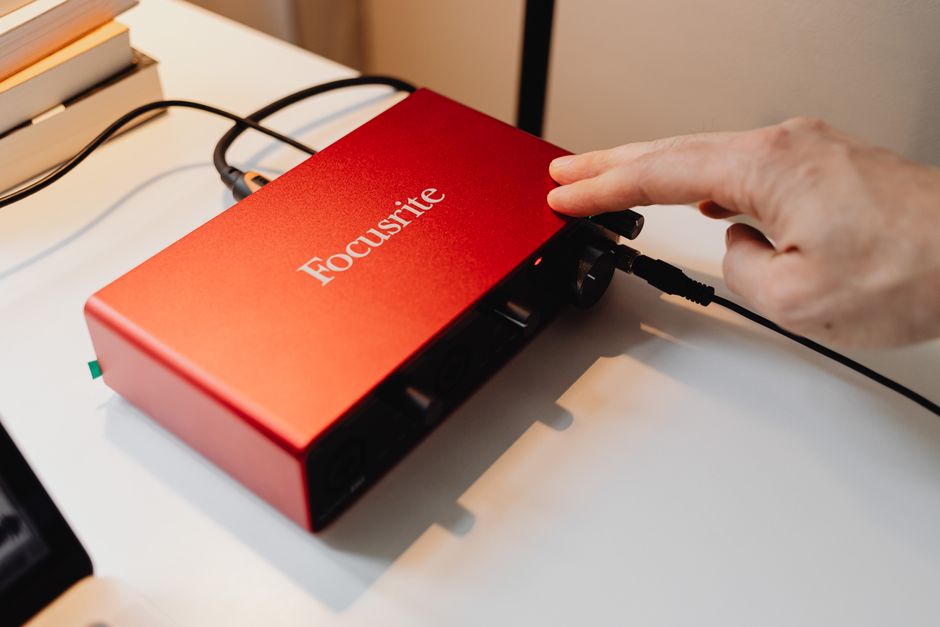
Evolution of the USB Audio Interface: Connectivity and Democratization in Latin American Music Production
Technical analysis of the USB audio interface: historical development, technological impact, and accessibility in contemporary sound.

Sound Engineering at Abbey Road: Technical Innovations and Legacy in Modern Music Production
An analysis of The Beatles' pioneering techniques at Abbey Road and their lasting influence on contemporary music production.