Spatial Mastering: Adapting Sound Engineering for 3D Immersive Experiences
Optimizing mixes for spatial audio: principles, loudness management, and key tools for immersive delivery.
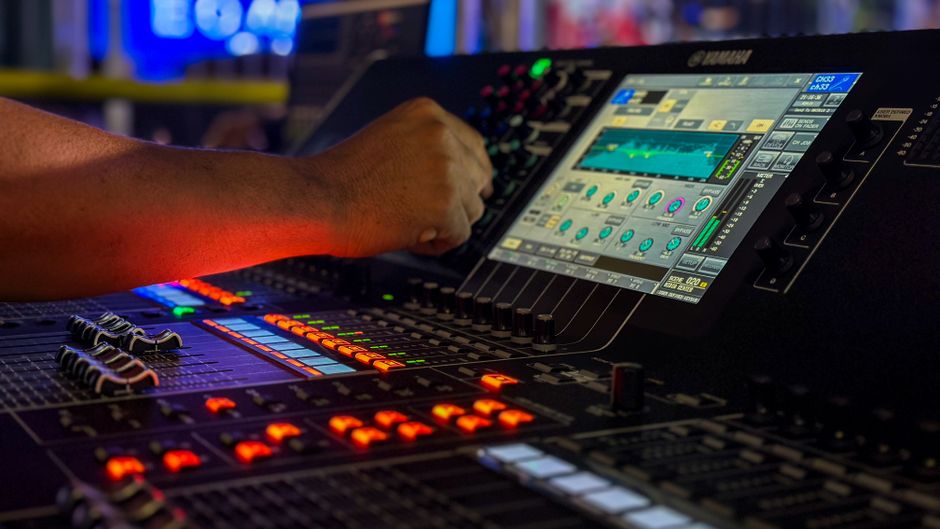
Mastering Principles for Immersive Spatial Audio
The music industry is undergoing a significant transformation, driven by the growing demand for more enveloping sound experiences. Spatial audio, particularly formats like Dolby Atmos and Sony 360 Reality Audio (360RA), is redefining how listeners interact with music. This shift presents both a challenge and an opportunity for mastering engineers, who must adapt their traditional methodologies to optimize content within three-dimensional environments. Transitioning from the two-dimensional stereo paradigm to the complexity of immersive audio requires a deep understanding of new tools, standards, and processes that ensure the coherence and emotional impact of the musical work across any compatible playback system. Mastering in this context not only seeks sonic cohesion but also the preservation of the original spatial intent of the mix, ensuring each sound element occupies its intended place in the auditory space. This process is crucial for music productions to resonate with the expected quality on today’s streaming platforms.
Principles of Mastering for Three-Dimensional Sound Experiences
The mastering process for spatial audio differs substantially from conventional stereo. Instead of working with fixed two channels, immersive mastering involves managing sound objects and ‘beds’ (multichannel buses) distributed within a 3D space. This necessitates a holistic approach where the calibration of the monitoring environment is critical. A mastering studio equipped for spatial audio requires a speaker setup that meets the specifications of immersive formats, such as 7.1.4 systems or higher for Dolby Atmos. Acoustic precision and phase and level calibration are fundamental for making informed decisions about tonal and dynamic balance. The interpretation of metadata, which defines the position and movement of sound objects, becomes a central aspect of the workflow, as it dictates how the content will be rendered on various devices, from home theater systems to headphones via binaural rendering. Understanding how these elements interact is essential for maintaining the integrity of the original mix and ensuring a consistent listening experience.
Dynamic Range and Loudness Management in 3D Formats
Dynamic Range Management and Loudness Standards in Spatial Formats
The management of dynamic range and loudness levels takes on a new dimension in spatial audio. While stereo mastering seeks a balance between perceived loudness and dynamics, in immersive formats, the distribution of sonic energy across multiple channels can affect loudness perception. Loudness standards, such as EBU R-128, are adapted and applied with specific considerations for spatial audio. For instance, Dolby Atmos recommends a level of -18 LUFS (Integrated Loudness) for music content, with True Peaks not exceeding -1 dBTP. The application of compressors and limiters must be more subtle and strategic to avoid ‘listening fatigue’ and preserve spatial depth. Multichannel loudness analysis tools are indispensable for verifying that levels meet streaming platform specifications, ensuring consistent playback. Over-compression can collapse the soundstage and diminish the sense of immersion, demanding a meticulous approach to each object and bed.
Tools and Workflows for Immersive Audio Delivery
Tools and Workflows for Immersive Audio Delivery
The evolution of software and hardware tools has facilitated the adoption of spatial mastering. Modern Digital Audio Workstations (DAWs) like Logic Pro, DaVinci Resolve Studio, and Pro Tools incorporate native capabilities for mixing and mastering in immersive formats. Additionally, specialized plugins from companies such as Nugen Audio or iZotope offer multichannel loudness metering, binaural monitoring, and downmixing tools to ensure compatibility with stereo systems. The workflow involves exporting the final content in specific formats, with the Audio Definition Model Broadcast Wave Format (ADM BWF) being the primary standard for delivering immersive masters. This file contains not only the multichannel audio but also all the necessary metadata for reconstructing the soundscape. Verification of the final master is a critical step, including listening on various configurations (headphones, 5.1 systems, stereo) to ensure compatibility and quality across diverse consumption platforms like Apple Music or Tidal, which have significantly boosted the availability of spatial content. Task automation and the use of artificial intelligence for parameter optimization are emerging trends that promise to further streamline and refine these processes.
Future Perspectives in Spatial Sound Post-Production
The field of spatial audio continues its rapid expansion, with constant innovations in rendering algorithms, creation tools, and distribution platforms. The integration of artificial intelligence into mix analysis and mastering processing suggestions could further optimize workflows, offering assistance in detecting spatial issues or adapting to different playback environments. Remote collaboration, facilitated by cloud platforms and real-time monitoring tools, allows engineers from different locations to work on immersive audio projects with unprecedented efficiency. As more content is produced and distributed in spatial formats, the demand for mastering engineers experienced in these techniques will grow exponentially. The ability to adapt to new technologies and understand the interplay between artistic creativity and technical precision will be fundamental for those seeking to excel at this frontier of sound production. Continuous exploration of new techniques and investment in training are essential to remain relevant in this constantly evolving landscape.
Related Posts

Echoes of the Río de la Plata: Cadena Perpetua's Cultural Resonance
Explore how the vibrant cultural tapestry of the Río de la Plata subtly shapes Cadena Perpetua's punk rock, offering insights for Latin American artists.

Theoretical Foundations in Music Production: Harmony, Rhythm, and Structure
Explore how music theory enhances creativity and precision in contemporary music production.

Recreating Virtual Acoustic Spaces: IRs, Algorithmic Reverb, and Spatial Processing
Emulating acoustic environments using IRs, algorithmic reverbs, and dynamic/spectral processing.

Subtractive Synthesis: Fundamental Principles and Advanced Modulation in Contemporary Sound Design
Technical exploration of oscillators, filters, and envelopes in subtractive synthesis for dynamic and evolving sound textures.