Technical Optimization and Visual Production for High-Fidelity Sound Streams on YouTube Live
Real-time hardware, software, and audio setup for professional music streaming experiences on YouTube Live.
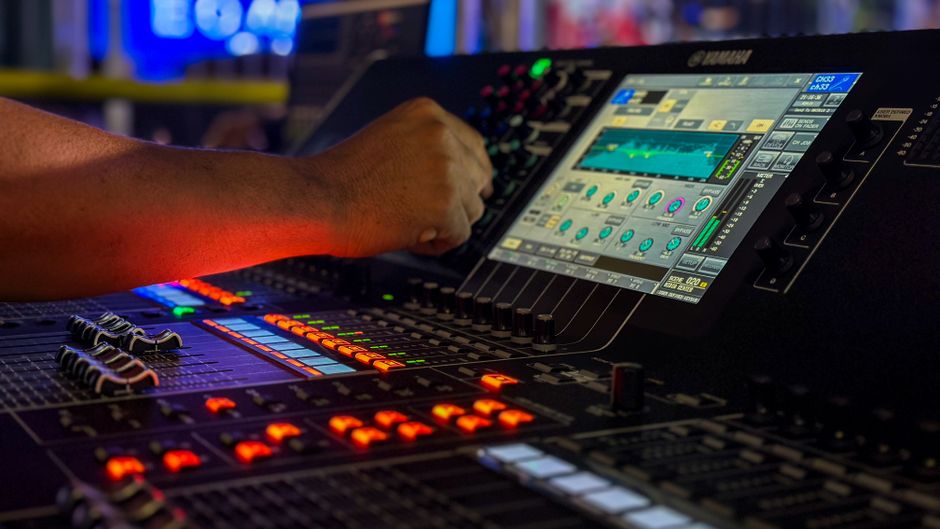
Technical Setup for High-Fidelity Audio Streams
Live streaming via platforms like YouTube Live represents a significant evolution in creator-audience interaction, transforming into an essential tool for musicians, producers, and educators in the sound domain. The ability to broadcast content in real-time, from intimate concerts to studio sessions or technical seminars, demands a deep understanding of technical setup and workflow optimization to ensure a high-fidelity experience. This broadcasting method not only expands geographical reach but also fosters instant, two-way connection, redefining the dynamics of musical performance and education.
To establish a professional-quality stream on YouTube Live, hardware and software configuration is paramount. The foundation of any superior audio broadcast lies in a robust audio interface, capable of converting analog signals (microphones, instruments) into digital with minimal latency and high resolution. Devices from manufacturers like Focusrite or Universal Audio, for example, offer the stability and performance needed to handle multiple inputs simultaneously. Microphone selection is equally critical; for vocals or acoustic instruments, a large-diaphragm condenser microphone such as the Shure SM7B or a Rode NT1 can capture nuances with precision. To explore the range of professional equipment, one can consult the websites of renowned manufacturers like Shure at https://www.shure.com/en-US. Internet connection, preferably via Ethernet cable, is a determining factor for the stability of the stream’s bitrate and resolution. Regarding encoding software, OBS Studio (Open Broadcaster Software) is a widely adopted open-source option due to its flexibility and ability to integrate multiple audio and video sources. Its configuration allows for adjustments to output resolution, video and audio bitrate, and codec selection to balance visual and audio quality with connection capacity. For more details on OBS configuration, consult its official documentation at https://obsproject.com/.
Optimizing Real-Time Audio Workflow
Optimizing audio in real-time during a live broadcast presents specific challenges that require meticulous attention. Mixing for a streaming environment differs from traditional studio mixing, as one must consider the platform’s inherent compression and the diverse playback conditions of the audience. Monitoring is crucial; using closed-back studio headphones helps prevent acoustic feedback and allows the sound engineer or artist to hear the exact signal being sent. The application of dynamic processing such as compression and limiting is essential to maintain consistent audio levels and prevent peaks that could distort the signal. Real-time noise reduction tools, some powered by artificial intelligence, are emerging to mitigate unwanted ambient noise, a notable advantage in uncontrolled environments. Platforms like YouTube also offer the option to preview the signal before going live, allowing for final gain and equalization adjustments. Implementing a parametric equalizer to refine the frequency response and a compressor to control audio dynamics are fundamental steps before broadcasting. YouTube’s help documentation offers additional guidelines for optimizing audio quality in live streams: https://support.google.com/youtube/answer/2474026?hl=en.
Beyond sound, the visual production of a live stream on YouTube Live is a vital component for maintaining viewer attention. The integration of multiple cameras allows for different perspectives, from a close-up of the instrument to a wide shot of the performance space. This is managed through the streaming software, which acts as a visual mixing desk. Lighting plays a fundamental role in creating an appropriate atmosphere and ensuring the visibility of the artist or content. A three-point lighting scheme (key light, fill light, backlight) can dramatically enhance visual quality. For more elaborate productions, incorporating overlay graphics, such as song titles, artist information, or logos, adds a professional touch. Current trends also point towards remote collaboration, where musicians in different locations can synchronize their performances. Although latency remains a challenge, tools like Jamulus or JackTrip enable joint rehearsals and recordings, and these signals can then be integrated into a main live broadcast. The synergy between high-quality audio and attractive visual production is what distinguishes an amateur broadcast from a professional experience.
Visual Production and Remote Collaboration in Streaming
In summary, streaming content on YouTube Live, especially for the music and audio sector, demands rigorous technical preparation and a clear understanding of the medium’s particularities. From selecting appropriate audio interfaces and microphones to optimizing real-time mixing and visual production, each element contributes to the final quality of the experience. The platform continues to evolve, and with it, the tools and techniques available to creators. Staying updated with innovations in streaming software, AI-based audio processors, and remote production methods is key to maximizing the potential of YouTube Live as a channel for expression and connection. Investing in technical knowledge and adequate equipment directly translates into higher content quality and a more engaged audience.
Related Posts

Technical Analysis of Turf's Live Sound: Miking, Processing, and Monitoring
Live concert sound engineering: miking techniques, signal processing, and monitoring to replicate Turf's studio sound live.

Universal Audio 1176 vs. Teletronix LA-2A: Features, Application, and Synergy in Sound Engineering
Technical comparison of the 1176 FET and LA-2A optical compressor: strategic choices for sculpting dynamics and sonic character in modern productions.
Capturing and Processing Electronic Gesture Instruments: Sonic Integrity and Expressiveness
Analysis of recording and modeling techniques for theremin and MPE controllers, optimizing fidelity and dynamic range.

The Transistor: Solid-State Evolution in Audio Playback and Processing
Trace the transistor's impact from vacuum tubes to modern digital audio, redefining fidelity and music production.