Integrating Vintage Electronic Instruments: Capture and Processing Techniques for Modern Production
Exploring methods for recording and processing vintage analog gear, merging sonic warmth with contemporary digital workflows.
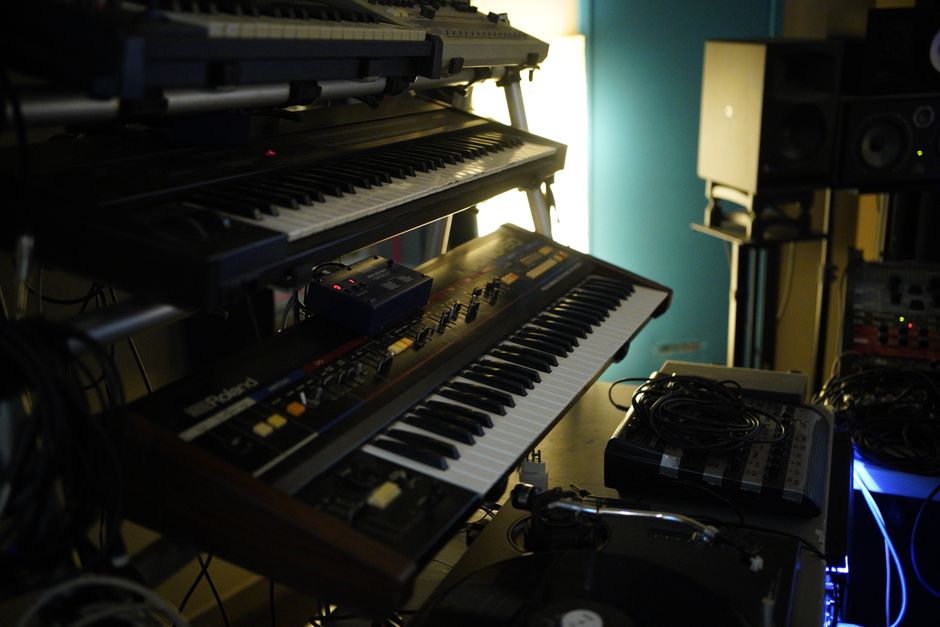
Preparing Vintage Instruments and Signal Chain Setup
Integrating vintage electronic instruments into contemporary music productions presents both a technical and artistic challenge, but it also offers an opportunity to infuse unique sonic textures and a distinctive analog warmth. These pieces of gear, with their sonic character forged by analog circuits and era-specific components, provide a timbral palette often unattainable with purely digital emulations. Understanding their peculiarities and employing appropriate recording methods are fundamental to preserving their essence and harnessing their potential within a modern mix.
The initial phase of any recording process involves meticulous preparation of the instrument and its signal chain. Many vintage synthesizers, drum machines, and electric pianos require periodic maintenance and, in some cases, calibration to operate at their optimal performance. Tuning stability, dynamic response, and the absence of unwanted noise are crucial aspects to verify before capture. Regarding the signal chain, the choice between a high-quality direct input (DI) or miking an external amplifier is a critical decision. A passive or active DI transformer with adequate input impedance is essential for correctly coupling the instrument’s output to a microphone preamplifier, preserving signal integrity. Preamplifiers with low noise and high gain, such as those based on Neve or API designs, can enhance harmonic richness, while more transparent options, like those from Universal Audio or SSL, ensure a faithful capture of the original sound. It is crucial to use low-capacitance cables and check for ground loops that could introduce hum or line noise.
Recording Techniques and Initial Analog Audio Processing
Recording techniques and initial processing determine the quality of the source material. For instruments like the Fender Rhodes or Wurlitzer electric pianos, combining a clean DI signal with strategically placed microphones in front of their speakers or resonators can generate superior depth and spatial realism. For synthesizers with robust line outputs, DI recording is typically the primary method, although re-amping through a guitar amplifier or speaker system, captured with dynamic or condenser microphones, can add coloration and a sense of air that enriches the texture. During capture, equalization and compression should be applied minimally and correctively, focusing on eliminating problematic resonances or controlling excessive peaks, reserving creative processing for the mixing stage. Managing the inherent noise of many vintage instruments, such as the hiss from analog drum machines or the hum from Hammond organs, is often addressed with noise gates or advanced algorithm-based noise reduction tools, like those found in suites such as iZotope RX, or machine learning plugins that identify and suppress unwanted artifacts without degrading the fundamental signal.
The integration of these analog sounds into contemporary digital production environments is where innovation meets heritage. Modern DAWs, such as Ableton Live or Logic Pro, offer advanced tools for editing, manipulating, and synchronizing these recordings. Classic hardware emulation plugins, like those available on Universal Audio’s UAD Spark platform or from Waves, allow for the flexible digital application of vintage compressors, equalizers, and effects. Current trends towards immersive production, such as spatial audio in Dolby Atmos, open new avenues for positioning and moving these vintage sounds in three-dimensional space, adding an unprecedented spatial dimension. Experimentation with modern effects, such as convolution reverbs that recreate complex acoustic spaces or tempo-synced rhythmic delays, can merge analog warmth with avant-garde soundscapes. Furthermore, the proliferation of AI tools in audio processing enables everything from restoring old recordings to generating melodic or harmonic variations based on vintage source material, facilitating creative exploration and reinterpretation of these classic timbres. Remote collaboration, facilitated by cloud platforms, also makes it easier for producers from different regions to share and work with vintage instrument recordings, expanding their global reach and application.
Integrating Vintage Sounds into Contemporary Digital Productions
Recording vintage electronic instruments is a process that demands a balance between respecting their inherent character and adapting to the demands of current production. Meticulous preparation, selecting the appropriate signal chain, and applying precise capture techniques are essential steps. Merging these sounds with technological innovations in processing and mixing, including AI tools and immersive audio formats, not only preserves the authenticity of these “sonic gems” but also projects them towards new creative frontiers in contemporary music, enriching the sonic landscape with their unique warmth and complexity.
Related Posts
Criteria Studios Miami: Acoustics, Innovation, and Legacy in Global Music Production
Exploring Criteria Studios' influence on Latin American and global music, from its founding to the digital age.

The Evolution of Multitrack: From Analog Tape to Immersive, Collaborative Production
A historical and technological analysis of multitrack recording, from Les Paul to collaborative platforms and immersive audio.

Real World Studios: Sonic Innovation and Global Collaboration in Music Production
Exploring the legacy of Real World Studios: fusing art, technology, and acoustics for music production excellence.

Granular Vocal Synthesis: Fundamentals, Advanced Techniques, and Contemporary Applications
Deep exploration of granular vocal synthesis, from micro-fragment deconstruction to atmospheric textures, drones, and rhythmic effects.