The Evolution of Multitrack Recording: From Les Paul to DAWs and Immersive Production
Explore the historical and technological development of multitrack recording, from its origins to digital innovations and immersive audio.
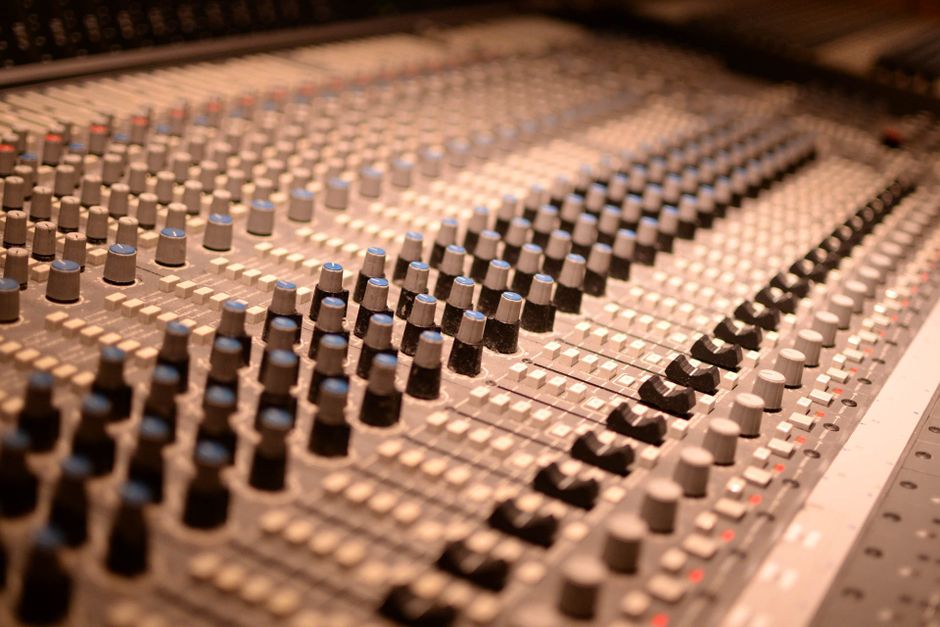
Origins of Multitrack Recording: Les Paul and Ampex
The evolution of sound recording has been a fundamental pillar in music history, and within this development, the invention and refinement of multitrack systems represent one of the most significant qualitative leaps. Before their advent, recordings were monaural or stereo processes that demanded flawless execution from all musicians simultaneously. The ability to record instruments or vocals independently and then combine them opened a universe of creative possibilities, radically transforming music production.
The origins of this revolution date back to the mid-20th century. Pioneers like Les Paul, with his ingenuity and experimentation in his own studio, were crucial. Using modified Ampex tape recorders, Paul began overdubbing guitar tracks in the 1940s and 1950s, creating complex arrangements that were impossible to achieve live. His “The Octopus” system is a testament to this relentless pursuit. However, large-scale commercial adoption came later. In the early 1960s, Ampex released four-track recorders, which quickly became essential tools in world-renowned studios. The Beatles, under the direction of George Martin at Abbey Road Studios, utilized these four-track machines to create some of their most innovative works, overdubbing instruments, vocals, and effects to construct intricate soundscapes. The subsequent introduction of eight-track recorders further consolidated this methodology, allowing for greater flexibility and complexity in arrangements. Managing background noise and synchronization between tracks were significant technical challenges, partially addressed by innovations like Dolby noise reduction systems, which became ubiquitous in the industry.
Technological Evolution: From Analog Tape to Digital Systems
The 1980s marked the beginning of the transition from the analog to the digital world, a shift that would democratize multitrack recording. Technologies such as ADAT (Alesis Digital Audio Tape) and Tascam DA-88, which allowed recording eight tracks of digital audio onto S-VHS or Hi8 video tapes respectively, offered a more economical and higher-fidelity alternative to expensive analog tape recorders. These systems, though still tape-based, laid the groundwork for the era of computer-based Digital Audio Workstations (DAWs). As the processing power of personal computers increased, software like Pro Tools, Cubase, and Logic Pro X emerged as the new standards, eliminating the need for physical tape hardware and offering unprecedented flexibility in audio editing, mixing, and processing. This accessibility transformed the industry, enabling artists and producers to create high-quality studios in their own homes, a phenomenon that continues to expand today.
The current landscape of multitrack production is constantly evolving, driven by technological advancements and new creative trends. Remote collaboration has become the norm, with platforms like Splice and BandLab enabling musicians from different latitudes to share and work on multitrack projects in real-time, an increasingly common practice among emerging artists worldwide. Artificial intelligence is beginning to be integrated into DAWs and plugins, offering assistive tools for mixing and mastering, such as those found in iZotope Ozone or Neutron, which can analyze and suggest adjustments for a professional sound. Furthermore, immersive audio, exemplified by formats like Dolby Atmos, is redefining how multitrack arrangements are conceived, demanding producers to think about sound distribution in a three-dimensional space. This implies a new phase of experimentation in the spatial arrangement of individual tracks. Advanced MIDI controllers, low-latency audio interfaces, and high-fidelity analog hardware emulation plugins continue to enrich the options available to creators. The convergence of these technologies allows for more efficient, creative, and globalized music production, maintaining the spirit of innovation that characterized the early multitrack experiments.
The Impact of DAWs and the Democratization of Production
From Les Paul’s rudimentary overdubs to today’s sophisticated digital production environments, multitrack recording has been a driving force in modern music. Its evolution has not only simplified the creation process but has expanded the boundaries of artistic expression, enabling a complexity and sonic detail previously unimaginable. Continuous innovation in software, hardware, and collaborative workflows ensures that the ability to shape sound track by track will remain a central tool for music producers of the future, from the most modest home studio to large professional facilities. I invite you to explore more about these technologies on specialized sites like Sound on Sound (https://www.soundonsound.com) or in the official documentation of platforms like Pro Tools (https://www.avid.com/pro-tools) and Dolby Atmos (https://developer.dolby.com/technologies/dolby-atmos/).
Related Posts

The Moog Synthesizer's Legacy: Innovation, Design, and Enduring Musical Impact
Exploring the Moog synthesizer's evolution, from its modular origins to its contemporary influence on music production.

Solo's Secret Weapon: Unleashing Dynamic Delays for Expressive Music
Discover how creative delay techniques can transform your solos, adding depth, rhythm, and emotional resonance to your musical expressions.

The Muscle Shoals Sound: Audio Engineering, Innovation, and Legacy in Music Production
Technical analysis of the Muscle Shoals Sound, its engineering innovations, and its enduring influence on contemporary music production.

Analog-Digital Symbiosis: Sonic Character and Efficiency in Modern Mixing Engineering
Explore sonic differences, methodologies, and hybrid convergence in today's music production.