Criteria Studios: Acoustic Engineering and Technological Evolution in Contemporary Music Recording
Technical analysis of Criteria Studios' contribution to music production, from acoustic excellence to digital adaptation.
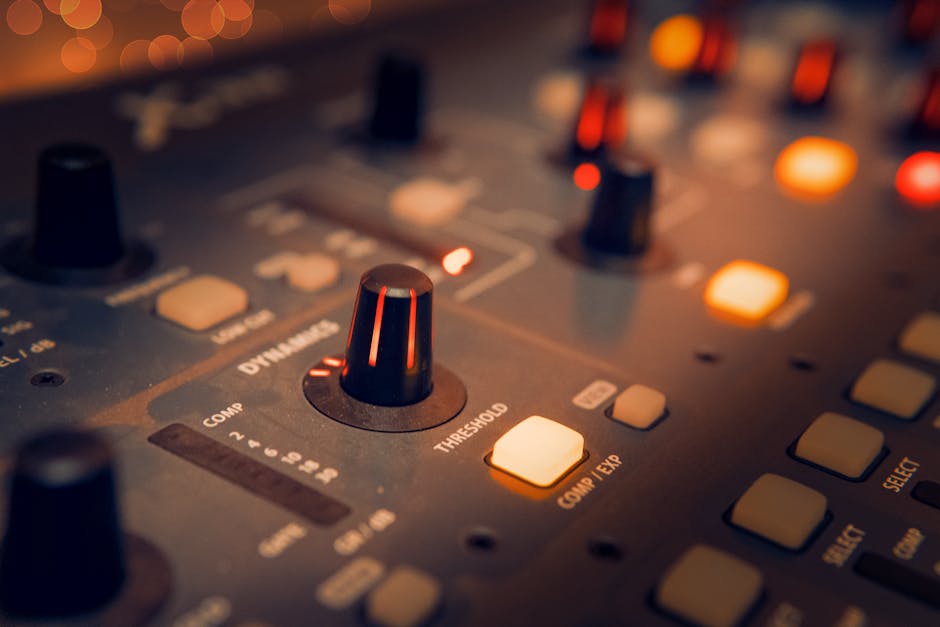
Acoustic and Technological Foundations of Criteria Studios
The history of Criteria Studios in Miami represents a fundamental chapter in the evolution of contemporary music recording. Founded in 1958 by Mack Emerman, these studios became an epicenter of sonic innovation, transcending geographical boundaries to influence the production of some of the most iconic albums in global music. From their inception, Criteria distinguished itself through a commitment to acoustic excellence and the adoption of cutting-edge technologies, forging a legacy that resonates to this day.
The golden era of Criteria, spanning from the 1960s through the late 1970s, witnessed legendary recordings that defined genres. Artists such as the Bee Gees, Eric Clapton, Eagles, Fleetwood Mac, and Aretha Franklin chose its rooms to bring their works to life. The studio’s reputation was built on the quality of its recording spaces, designed to offer optimal instrumental separation and controlled natural resonance – crucial elements for the complex productions of the era. Engineers and producers like Tom Dowd and Karl Richardson were key figures, manipulating custom consoles and top-tier analog equipment to sculpt the distinctive sound that characterized many of these recordings. The technical approach to the signal chain, from microphone selection to mixing processing, was meticulous, always aiming for maximum fidelity and artistic expression. For instance, the work on Derek and the Dominos’ (Eric Clapton) “Layla and Other Assorted Love Songs” is a testament to the technical mastery achieved at Criteria, where the interplay between the band and the studio’s acoustic environment was fundamental to the final outcome.
The Golden Era: Sound Engineering and Iconic Recordings
Technological adaptation was a constant in Criteria’s trajectory. As the industry transitioned from analog dominance to digital, the studio made strategic investments to integrate new systems without sacrificing the essence of its sound. The incorporation of digital multitrack recorders and, later, digital audio workstations (DAWs) like Pro Tools, allowed Criteria to remain relevant in the face of changing music production demands. This modernization process not only involved hardware upgrades but also the development of new workflows that fused classic techniques with the possibilities offered by the digital age. Criteria’s ability to evolve while maintaining sonic quality as a priority enabled it to attract new generations of artists and producers, ensuring its continuity as a hub of creativity and advanced technique. The implementation of new high-quality audio interfaces and preamplifiers, following the line of brands like Universal Audio, was essential for this transition, preserving the warmth and detail they always sought.
The cultural impact and legacy of Criteria Studios are undeniable. Its contribution to music transcends mere recording; it set production standards and trained generations of engineers and musicians. The “Criteria sound” became synonymous with polished, dynamic productions possessing remarkable spatial depth. Today, the principles of acoustic design, equipment selection, and meticulous sound engineering that characterized Criteria remain fundamental pillars for any professional studio, from large complexes to the most sophisticated home studios. The pursuit of sonic excellence, exemplified by Criteria, is reflected today in immersive production trends like spatial audio and Dolby Atmos, where precision in sound placement and movement is paramount. Similarly, the integration of artificial intelligence tools in audio processing, assisting in tasks such as mixing and mastering, represents an evolution of the same technological curiosity that drove Mack Emerman decades ago. Criteria’s story underscores that, beyond the tool or technology, artistic vision and technical mastery are the true engines of musical innovation.
Technological Adaptation: Analog to Digital Transition
In summary, Criteria Studios was not merely a place where music was recorded, but a laboratory where sound engineering reached new heights. Its trajectory offers valuable lessons on the importance of acoustic quality, constant technological adaptation, and artistic vision in creating enduring works. Criteria’s legacy continues to inspire audio professionals globally, reminding us that the pursuit of sonic perfection is a continuous and essential journey in music production. To explore part of its extensive recording catalog, platforms like Spotify or Bandcamp can be consulted, where the influence of its sound is palpable in countless productions. For more technical details on the history of recording studios, resources like Sound on Sound offer in-depth articles.
Related Posts

Sound Design for Neural Simulations: Synthesis, Composition, and Signal Processing
Technical exploration of audio production for neural networks, covering synthesis, algorithmic composition, and DSP.

Analysis of Guitar Evolution in Charly García's Work
Technical exploration of guitar integration and development in Charly García's sonic universe.

Audio Crosstalk: Fundamentals, Measurement, and Mitigation for Sound Fidelity
Deep dive into crosstalk, its origins in electrical and acoustic systems, and measurement methods to preserve signal purity.
AIR Studios: Acoustic and Technological Evolution in Music and Film Recording
An analysis of AIR Studios' journey, from analog beginnings to immersive digital audio production.