Integrating Analog and Digital Processing: A Comparative Analysis of Mixing Methodologies
Exploring synergies between analog/digital workflows, AI, and immersive audio in modern music production.
Audio Processing: Characteristics of Analog Mixing
The debate between analog and digital mixing has been a constant in the audio industry for decades. While large-format consoles and classic outboard gear defined the sound of countless productions, the evolution of digital technology has democratized access to high-quality tools, offering unprecedented precision and flexibility. This analysis explores the inherent characteristics of each paradigm, their technical advantages, and how current innovation is blurring the lines between them, driving new music production methodologies in our region and globally.
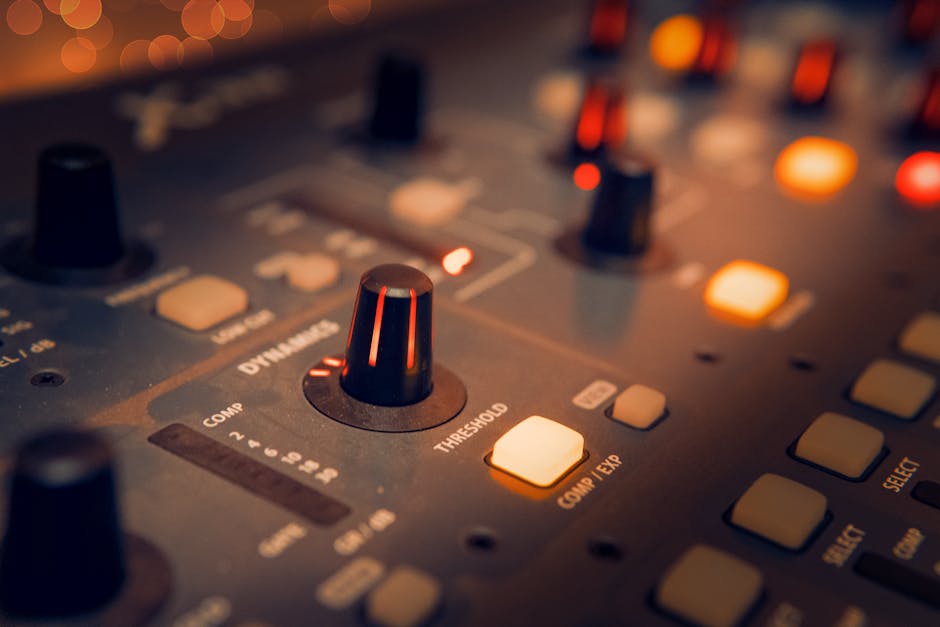
Analog mixing is characterized by its processing based on physical components. Analog consoles, such as Solid State Logic’s iconic SSL 4000 or AMS Neve’s VR series, introduce subtle harmonic coloration and natural compression that many engineers associate with “warmth” and “depth.” Tape or transformer saturation can add density and cohesion to a mix. This approach offers direct tactile interaction with physical controls, which for some facilitates a more intuitive and artistic workflow. However, analog systems come with significant challenges: high acquisition and maintenance costs, the need for considerable physical space, and the complexity of exact mix recall, often requiring meticulous annotation sheets. The inherent presence of background noise and limitations in automation are other factors to consider.
The Digital Revolution in Music Production
In contrast, digital mixing has radically transformed music production. Digital Audio Workstation (DAW) environments like Avid Pro Tools, Apple Logic Pro, and Ableton Live offer a virtual mixing platform with absolute precision and virtually unlimited headroom. The ability to instantly save and load any mix configuration (recall) is a fundamental advantage, enabling quick revisions and a non-destructive workflow. The proliferation of processing plugins has reached such a level of sophistication that emulations of classic analog gear are indistinguishable to many ears in a full mix context. Companies like Universal Audio have led the development of these emulations, offering the sonic essence of legendary gear without the physical drawbacks of their counterparts.
The contemporary reality of professional audio leans towards a hybrid approach, capitalizing on the strengths of both worlds. Many studios integrate analog summing mixers to add that touch of cohesion and harmonic depth to a mix processed primarily in the digital domain. The use of select analog outboard gear (compressors, equalizers) inserted into the digital signal path for specific tasks where its character is irreplaceable is also common. This synergy allows for the benefits of analog warmth and tactile interaction at key points, while maintaining the flexibility and recall of the digital environment. This hybrid approach is frequently discussed in specialized publications like Sound on Sound, where configurations and methodologies are analyzed.
Hybrid Approaches: Analog and Digital Synergy
Current trends in music production reinforce the primacy of digital and its adaptability. Artificial intelligence (AI) is emerging as a powerful tool in mixing and mastering, with plugins offering intelligent assistance for equalization, dynamic balance, and tonal correction, such as Soundtheory Gullfoss or iZotope’s suites. These advancements do not seek to replace the engineer but to optimize processes and offer novel perspectives. Likewise, the expansion of immersive audio, with formats like Dolby Atmos, demands spatial control and parameter automation that only the digital environment can efficiently provide. Mixing for these multichannel formats is predominantly done in specialized DAWs, allowing producers to create three-dimensional auditory experiences that are redefining how music is consumed on platforms like Apple Music and Tidal. Remote collaboration, a cornerstone of modern production, also relies entirely on the portability and universality of digital projects, enabling engineers and artists from Buenos Aires to work seamlessly with colleagues anywhere in the world.
In summary, the choice between analog and digital mixing is no longer a strict dichotomy but a matter of strategic integration. While the mystique of analog gear persists and its sonic character remains valued, the precision, flexibility, and technological innovations of the digital domain, including AI and immersive audio, offer superior creative possibilities and operational efficiencies. The skill and ear of the engineer, along with a deep understanding of the available tools, are the decisive factors in achieving high-quality music production, regardless of the chosen platform. The cutting edge of sound lies in the ability to merge the best of each paradigm, paving the way for richer and more immersive productions.
Related Posts

Fundamentals of A/D and D/A Conversion: Sampling, Quantization, and Audio Reconstruction
Technical principles of analog-to-digital and digital-to-analog conversion, crucial for modern audio production and consumption quality.

Interactive Audio Mastering: Dynamic Management, Adaptability, and Multi-Platform Delivery
Exploring mastering techniques for interactive content, focusing on dynamic range, real-time adaptation, and delivery optimization.

Organic Vocal Pitch Correction: Preserving Expressiveness with Precise Techniques and Psychoacoustic Principles
Research on pitch correction application to maintain vocal naturalness, combining psychoacoustics, manual editing, and advanced algorithms.

Perceptual Transparency in Audio: Fundamentals, Evaluation, and Application in Music Production
Understand sound fidelity: psychoacoustic fundamentals, subjective/objective evaluation methods, and their impact on production.