Cinematic Audio Composition and Processing: Modern Techniques and Workflows
Exploring compositional techniques, technological integration, and immersive audio production for contemporary cinematic music.

Compositional Foundations for Visual Storytelling
Cinematic music production is a complex discipline where artistic creativity converges with technical precision to enhance visual storytelling. From the early scores accompanying silent films to sophisticated contemporary soundtracks, music has been a fundamental pillar in building atmosphere and guiding the viewer’s emotional journey. This field demands not only a deep musical understanding but also seamless integration with audiovisual production processes, constantly adapting to technological innovations and the demands of emerging distribution formats.
Compositional Foundations for Visual Storytelling
The creation of an effective cinematic score transcends mere musical composition; it involves a profound symbiosis with moving images. A fundamental aspect is the development of leitmotifs – recurring musical themes associated with characters, places, or ideas – which evolve and transform throughout the plot to reflect narrative changes. Orchestration and arrangement are meticulously adapted to mirror the psychology of the scene, using specific textures, timbres, and harmonies to accentuate drama, tension, or calm. For instance, the use of low-register strings with slow vibrato can evoke a sense of foreboding or melancholy, while woodwinds in agile, dissonant passages might convey intrigue or nervousness. Rhythmic synchronization with editing cuts and precise dynamic modulation to support dialogue are crucial technical considerations that ensure narrative coherence. Today, adaptive composition, which allows music to react in real-time to viewer decisions in interactive media or video games, also influences the mindset of film composers, pushing for greater flexibility and emotional layers that can be dynamically reconfigured.
Technological Integration and Modern Workflow
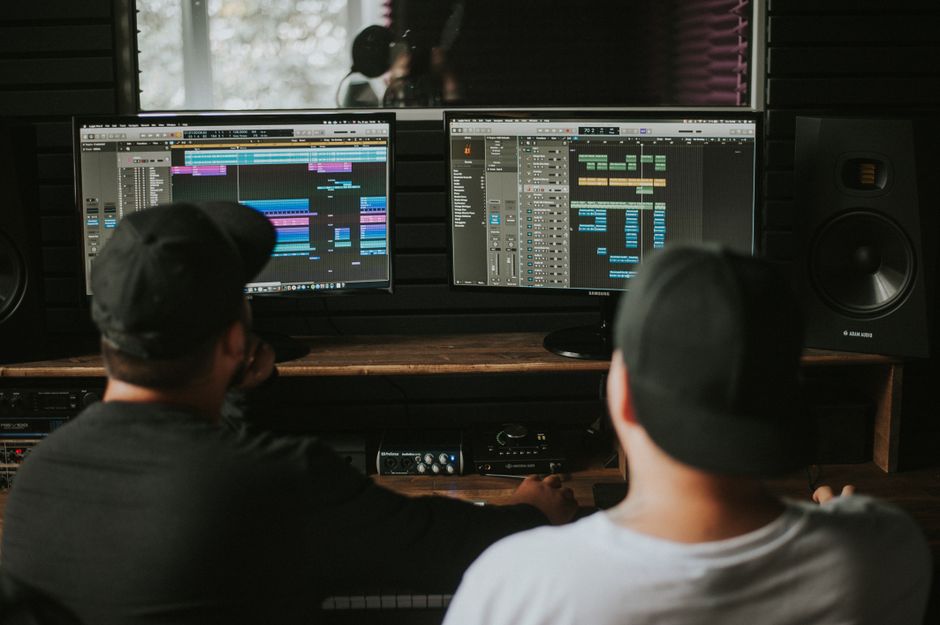
Digital technology has radically transformed the cinematic music production process, optimizing every stage of the workflow. High-performance digital audio workstations (DAWs) such as Avid Pro Tools (https://www.avid.com/pro-tools), Apple Logic Pro (https://www.apple.com/en/logic-pro/), and Steinberg Nuendo (https://www.steinberg.net/nuendo/) are central tools for composition, arrangement, recording, and mixing. Precise synchronization with video material is achieved through the implementation of time codes (SMPTE) and MIDI Time Code (MTC), ensuring that every note, sound effect, and tempo change aligns perfectly with the visuals and on-screen events. The use of high-quality sample libraries, like those from Spitfire Audio (https://www.spitfireaudio.com/) or Native Instruments Kontakt (https://www.native-instruments.com/en/products/komplete/samplers/kontakt-7/), allows composers to emulate full orchestras and a vast array of instruments with remarkable realism. These tools offer unprecedented flexibility for experimentation, rapid idea revision, and the construction of detailed mock-ups before potential live recording sessions.
Technological Integration and Modern Workflow
Innovations also extend to remote collaboration, a growing necessity in the globalized industry. Tools like Audiomovers Listento (https://audiomovers.com/) or Source-Connect facilitate remote review and approval of mixes and recording sessions, connecting studios, composers, and directors across different geographical locations, from Buenos Aires to Los Angeles. Furthermore, the emergence of AI-assisted plugins, capable of suggesting orchestrations, generating melodic variations, or even cleaning up dialogue and sound effect tracks, is beginning to influence workflows, offering new efficiencies and expanding creative possibilities for audio professionals.
Production for Immersive Audio and New Formats
One of the most significant and transformative trends in audio production is the expansion into immersive formats, such as Dolby Atmos (https://professional.dolby.com/music/dolby-atmos-for-music/). This technological advancement allows mix engineers to position sounds and musical elements in a three-dimensional space, resulting in a far more enveloping and realistic auditory experience for the viewer. Cinematic music benefits immensely from this capability, as scores can be designed to surround the listener, intensifying immersion in the narrative and emotional connection with the story.
Mixing for Dolby Atmos involves the use of audio objects, in addition to traditional channels, requiring an adjustment in production mindset and the integration of specific software tools within the DAW, as well as calibrated monitoring systems for complex multichannel setups. The implementation of these systems is becoming increasingly accessible for studios of various sizes. Global streaming platforms like Spotify and Apple Music already support spatial audio, meaning soundtracks mixed in immersive formats can reach a global audience with unprecedented spatial fidelity, transcending the limitations of conventional stereo. This not only opens new creative avenues for mix engineers in Argentina and across the region but also sets a new standard for the quality of the sound experience in film and entertainment at large.
Production for Immersive Audio and New Formats
Cinematic music production is a constantly evolving field that demands a fusion of art and technique. From thematic conception to final mixing in immersive formats, each stage requires meticulous attention to detail and continuous adaptation to emerging tools and methodologies. The ability to integrate technological innovations, from advanced sample libraries to artificial intelligence and spatial audio, is crucial for professionals seeking to define the sonic landscape of future cinema.
Related Posts

Karamelo Santo's Creative Alchemy: Crafting Fusion for Global Stages
Explore the innovative creative stages of Karamelo Santo, from their genre-blending roots to their modern production techniques, inspiring Latin American artists.

Sonic Architecture: An Analysis of Marisa Monte's Setlists
Studying the evolution and strategy in Marisa Monte's live repertoires to optimize the listening experience.

Primitive Wind Instrumentation and Processing: Acoustic Fidelity in Contemporary Settings
Capture and mixing techniques for didgeridoo and native flutes, preserving their ancestral sonic essence in modern productions.
Adaptive Mastering: Sonic Optimization by Listener Profile and Playback Context
Technical analysis of modern mastering, adapting processing to devices, environments, and audiences for maximum perceived fidelity.