The Muscle Shoals Sound: Acoustic Engineering and Cultural Legacy in Contemporary Music
An analysis of the Muscle Shoals sonic phenomenon, its recording techniques, and its enduring influence on modern music production.
Genesis of the Muscle Shoals Sound: FAME Studios and the ‘Swampers’
In the heart of northern Alabama, a small enclave named Muscle Shoals stands as a fundamental pillar in the history of contemporary music. Far from traditional urban epicenters, this place forged a distinctive sound that transcended genres and borders, leaving an indelible mark on countless iconic recordings. The Muscle Shoals narrative is not just about recording studios; it is the chronicle of a cultural and technical phenomenon where sonic authenticity and human talent converged to create masterpieces. From its humble beginnings to its global impact, the evolution of Muscle Shoals offers a unique perspective on the interplay between creativity, sound engineering, and musical identity—aspects that continue to resonate in current production practices.
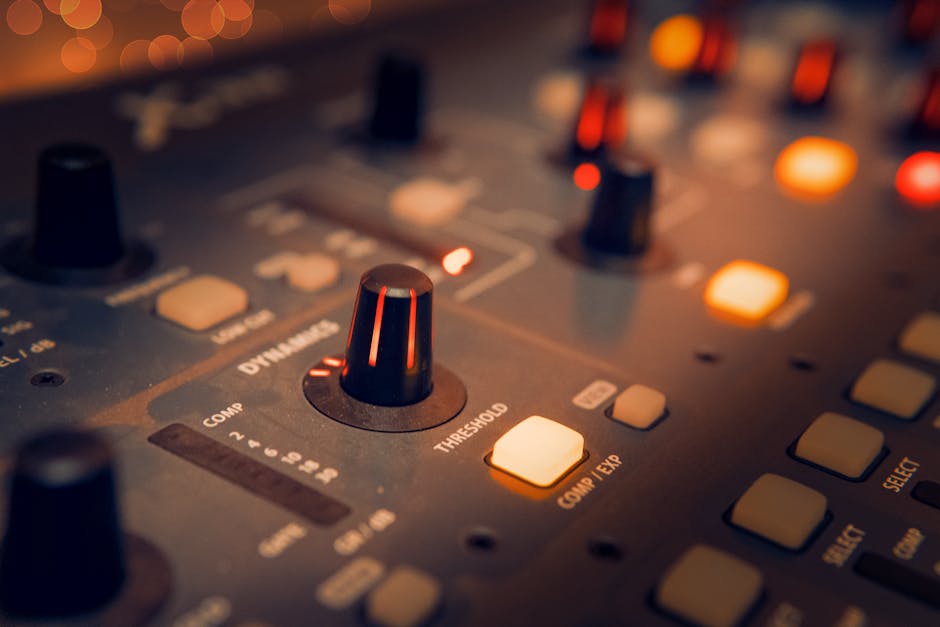
The genesis of this legacy dates back to FAME Studios, founded by Rick Hall in the 1950s. Hall, a visionary producer and engineer, was the architect of the “Muscle Shoals Sound,” characterized by a deep rhythmic vibe and an unmistakable soul. His ability to identify and nurture talent was key, attracting exceptional session musicians, later known as the ‘Swampers.’ This group, composed of Barry Beckett (keyboards), Roger Hawkins (drums), Jimmy Johnson (guitar), and David Hood (bass), developed a musical synergy that became the foundation for innumerable hits. Artists such as Aretha Franklin, Etta James, and Wilson Pickett found FAME Studios to be a conducive environment to channel their art, resulting in recordings that defined the R&B and Soul of their era. Meticulous miking, the choice of analog equipment, and the philosophy of capturing the essence of live performance were crucial elements in shaping this distinctive sound, which prioritized harmonic warmth and instrumental articulation.
Establishing Muscle Shoals Sound Studio: Autonomy and Artistic Diversification
In the late 1960s, the Swampers, seeking greater creative autonomy, established their own space: Muscle Shoals Sound Studio. This new studio, located in a former coffin warehouse at 3614 Jackson Highway, further solidified the region’s reputation. Independence allowed these engineers and musicians to collaborate with an even wider range of artists, transcending the boundaries of R&B to embrace rock, pop, and country. The Rolling Stones, Paul Simon, Lynyrd Skynyrd, and Bob Dylan are just a few of the names who traveled to Muscle Shoals in search of that sonic magic. The studio’s ability to adapt to diverse genres while maintaining its core identity demonstrated the versatility of its approach. Sound engineering at Muscle Shoals Sound Studio maintained a strong emphasis on capturing the band’s natural dynamics, utilizing room setups that maximized acoustic interaction and instrument resonance. The selection of custom mixing consoles and an arsenal of classic microphones contributed to the consistency of its sonic proposition.
The influence of Muscle Shoals extends far beyond the decades when its studios were at their productive peak. Today, the “groove” and authenticity that defined its sound remain aspirations for producers and engineers worldwide, including within the Latin American music scene. The pursuit of an organic sound and the importance of live performance, central elements of the Muscle Shoals philosophy, resonate with current trends that value the warmth of analog audio and the energy of a band playing together. In the era of digital production and artificial intelligence, the Muscle Shoals legacy underscores the irreplaceable importance of the human factor in music. While new tools like tape emulation plugins or convolution reverbs seek to replicate the sonority of vintage spaces and equipment, the lesson from Muscle Shoals is that true magic lies in the interaction of talented musicians and an environment that fosters creativity without excessive artifice. Recent documentaries, such as ‘Muscle Shoals’ (2013) [https://www.imdb.com/title/tt2194326/], have revitalized interest in these studios, attracting new generations of artists seeking that timeless essence. The persistence of FAME Studios [https://www.fame-studios.com/] and Muscle Shoals Sound Studio [https://www.muscleshoalssoundstudio.org/] as operational studios and museums is a testament to their enduring impact, offering a bridge between rich musical history and future innovations in audio production. Their focus on capturing emotion and direct performance remains a relevant model for any producer aspiring to create music with soul and depth. To explore the catalog of iconic recordings, a selection can be found on platforms like Spotify [https://open.spotify.com/playlist/37i9dQZF1DXcBWIGoYBM5M].
Muscle Shoals Sound Legacy and Contemporary Influence
The story of the Muscle Shoals studios is a potent reminder of how passion, talent, and a clear vision can transcend geographical limitations and establish a standard of sonic excellence. Its legacy is not merely a compendium of historical recordings but a production philosophy that emphasizes authenticity, collaboration, and the relentless pursuit of a sound with character. In an ever-evolving musical landscape, where technological tools advance at a breakneck pace, the essence of Muscle Shoals continues to inspire producers and engineers to prioritize emotion and the intrinsic quality of performance, ensuring that the soul of music endures in every new creation. Its imprint serves as a beacon for those seeking depth and impact in their productions, from Buenos Aires to any corner of the globe.
Related Posts

The Evolution of the Home Studio: From Cassette Recorders to AI in Music Production
Trace the historical development of the home studio, from early multitrack recorders to current digital and AI innovations.

Bitwig Studio: Modular Architecture and Unified Modulation in Contemporary Music Production
An analysis of the genesis, modular innovations, and unified modulation system of Bitwig Studio for advanced sound creation.

Equalization Principles: Spectral Control for Modern Audio Engineering
Fundamentals of parametric, graphic, and dynamic equalization to optimize tonal balance and clarity in music production.

Interactive Audio Architectures: Composition and Sound Design for Dynamic Video Games
Analysis of adaptive music techniques, spatial audio, and tools for creating immersive game soundtracks.