Microphone Techniques and Acoustics in Metal Recording: Achieving Definition and Sonic Power
Explore microphone selection and acoustic management for capturing metal's energy, integrating production innovations.
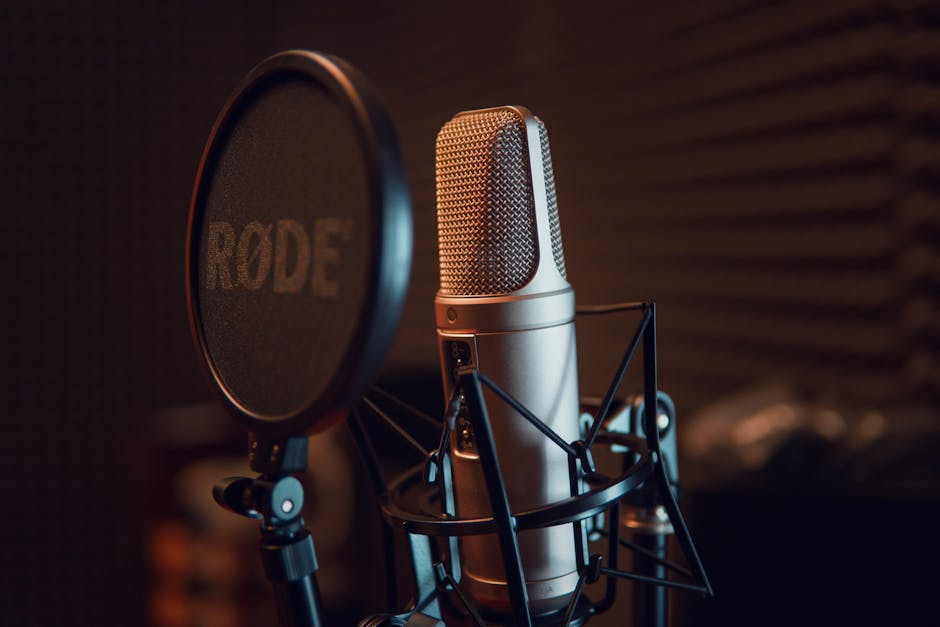
Microphone Selection for High SPL Sources and Complex Dynamics
Recording intense musical genres like metal presents unique challenges that demand a profound understanding of microphone techniques and room acoustics. Achieving a powerful punch on drums, definition in distorted guitars, and vocal clarity amidst dense soundscapes requires a precise methodology. This analysis delves into the essential techniques for capturing the inherent energy of metal, from microphone selection to acoustic environment management, incorporating the innovations that define modern production.
The choice of microphone is a fundamental pillar in metal recording. For drums, dynamic microphones such as the Shure SM57 or Sennheiser MD 421 are standard for toms and snare, offering robustness and adequate transient response for high SPL sources. For the kick drum, a combination of a large-diaphragm dynamic microphone (like the AKG D112 or Shure Beta 52A) placed inside, alongside a large-diaphragm condenser microphone placed outside, allows for a balanced capture of attack and body. For cymbals, small-diaphragm condenser microphones (e.g., Neumann KM 184) are ideal due to their extended high-frequency response and their ability to capture the subtlety of harmonics. On electric guitars, close-miking with an SM57 is classic, often complemented by a ribbon microphone (e.g., Royer R-121) to add warmth and depth, or a condenser for enhanced harmonic detail. Phase is critical in these multi-mic setups; using phase correction tools or physically manipulating microphone placement is indispensable to avoid unwanted cancellations. For vocals, a high-end large-diaphragm condenser (e.g., Neumann U87, AKG C414) is frequently the choice, offering the necessary sensitivity to capture the dynamics and timbre of the most demanding performances, from growls to clean vocals.
Acoustic Environment Management and Ambient Miking Techniques
The recording space significantly influences the final sound, especially in genres aiming for a sense of scale. In metal, close-miking is predominant for instrumental control and isolation, but the inclusion of ambient microphones can add a crucial dimension. A studio with good acoustics, balancing absorption and diffusion, allows room microphones to capture the natural reverberation and depth of the space without introducing problematic resonances. Absorption is vital for controlling early reflections and standing waves, while diffusion helps create a larger, more natural sense of space. In less ideal environments, the use of portable acoustic panels and bass traps can mitigate issues. Space simulation has also evolved. Convolution reverb plugins, such as Altiverb or native DAW options, offer the ability to recreate the acoustics of legendary rooms with high fidelity, allowing producers to manipulate the “space” in the mix, even if the original recording was done in a dry environment. The integration of room miking with close-miking must be carefully managed in the mix, using parallel compression and EQ so that the ambient sound complements without muddying the overall mix.
Current trends in metal production integrate traditional methods with advanced digital tools. Amplifier and cabinet emulation, with platforms like Neural DSP or Kemper, has revolutionized guitar and bass recording, providing unprecedented tonal flexibility and the possibility of re-amping without needing physical equipment. This facilitates remote collaboration, where guitarists can send clean (DI) tracks to be processed later by the producer. AI-powered plugins are beginning to impact drum processing, offering sample replacement or transient enhancement options that dynamically adapt to the performance. Immersive mixing, particularly in formats like Dolby Atmos, is opening new possibilities for metal, enabling engineers to place instrumental elements in a three-dimensional space and create more engaging auditory experiences. Platforms like Spotify and Apple Music already support these formats, driving producers to explore new creative dimensions. Furthermore, experimentation with unconventional miking techniques, such as using contact transducers or stereo microphones to capture the ambiance of an entire drum kit, continues to be a source of innovation for finding unique timbres.
Digital Innovations and Immersive Production in Intense Genres
Metal recording is a balance between established technique and the exploration of new tools. Sound miking fundamentals and conscious consideration of the recording space are essential. The integration of emerging technologies and sonic experimentation allows producers and artists to push the boundaries of metal sound, maintaining the power and clarity that define the genre in the digital age. The continuous pursuit of new sonic perspectives, combining technical precision with artistic vision, is what drives the evolution of heavy music. Tags: microphony, recording, metal, acoustics, music production, AI plugins, Dolby Atmos, Neural DSP Category: Music Production
Related Posts

Capturing Reed Instruments: Acoustics, Miking, and Advanced Processing
Optimizing bagpipe and reed instrument recording: miking techniques, EQ, compression, and digital tools for high fidelity.

Multiple Microphones in Choral Recording: Capture and Spatial Processing Techniques
Analysis of stereo, support, and ambient microphone configurations for detailed and immersive sonic reproduction of choirs.

The Technological Evolution of Personal Music Studios: From Portastudios to AI
Analyzing the democratization of music production, from multitrack recorders to AI tools for the home studio.

The Evolution of Delay: From Acoustic Chambers to AI Processing
Explore the fascinating history of delay, from its acoustic origins to digital and AI innovations in music production.