Electric Lady Studios: Architecture, Acoustics, and Technological Adaptation in Iconic Sound Production
Historical and technical analysis of Electric Lady Studios: design, innovation, and legacy in music recording evolution.
Design and Acoustics: The Foundational Vision of Electric Lady Studios
Electric Lady Studios, conceived by the singular vision of Jimi Hendrix, represents a pivotal landmark in the history of music recording. Inaugurated in 1970 in Greenwich Village, New York, these studios were designed by Hendrix himself in collaboration with architect John Storyk and engineer Eddie Kramer, with the premise of creating a space where creative freedom and sonic experimentation would know no bounds. The initial concept sought an environment that transcended the limitations of commercial studios of the era, prioritizing artist comfort and exceptional acoustics to foster musical innovation. This approach anticipated current trends in studio design, where space customization and acoustic optimization are critical elements for high-fidelity audio production, even in the age of modular studios and software-based solutions.
Technical Equipment and Sonic Legacy: Influence on Current Production
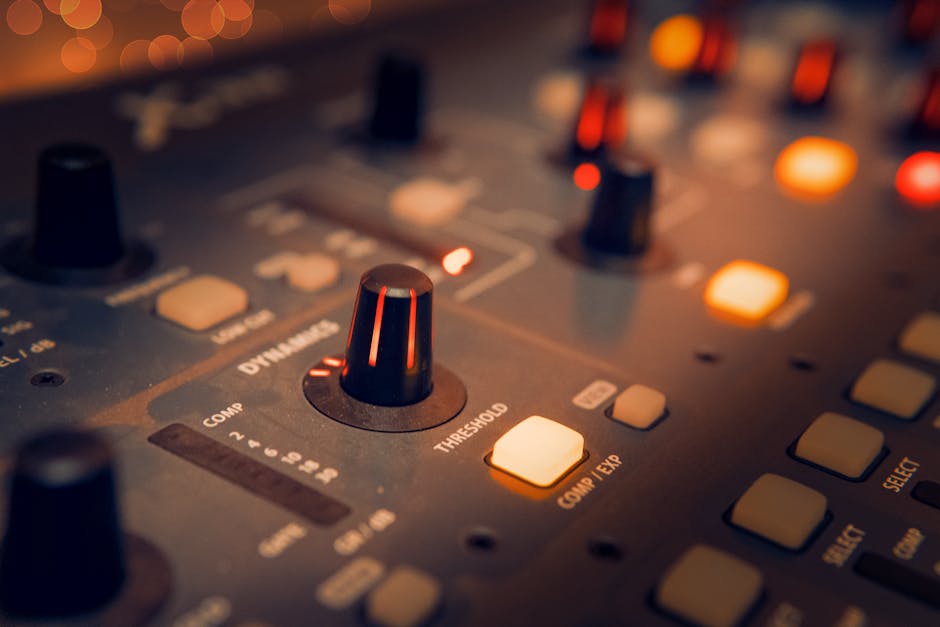
The internal architecture of Electric Lady was characterized by its organic forms and soft lighting, creating a relaxed atmosphere that contrasted with the rigidity of other venues. From a technical standpoint, the original studio featured a custom mixing console and advanced monitoring systems for its time, elements that contributed to forging a distinctive sound that attracted a plethora of legendary artists. Bands like Led Zeppelin, Stevie Wonder, The Rolling Stones, David Bowie, and John Lennon recorded seminal works within its walls. The pursuit of a unique sonic identity, facilitated by bespoke technical equipment and meticulously designed acoustics, echoes today with the development of vintage hardware emulation plugins and the growing demand for signal processing tools that replicate the warmth and character of analog gear. The relevance of these methods extends to contemporary production, where the integration of artificial intelligence in audio processing allows engineers to explore new dimensions of sonic textures, while maintaining the essence of experimentation.
Technological Adaptation: Preserving Tradition in the Digital Age
Throughout the decades, Electric Lady Studios has demonstrated a remarkable ability to adapt to technological changes and industry transformations. From the digital revolution to the rise of home studios and high-resolution streaming platforms, the studio has maintained its status as a benchmark of quality. Investment in cutting-edge technology, without sacrificing its analog heritage, has been key. This includes the incorporation of state-of-the-art digital recording systems, the upgrade of its consoles, and the integration of solutions for immersive audio formats like Dolby Atmos, enabling artists to explore new spatial narratives in their productions. The capacity of a historic studio to embrace these innovations while preserving its character and classic equipment exemplifies how tradition and progress can coexist at the forefront of sound production. The current demand for high-fidelity listening experiences and the exploration of immersive music reflect the continued relevance of spaces designed for acoustic and technical excellence, as Electric Lady was and remains.
Legacy and Influence: Electric Lady as an Epicenter of Continuous Creativity
Today, Electric Lady Studios continues to be an epicenter of creativity, attracting contemporary artists seeking an environment that combines the rich history of music with the technological possibilities of the present. Its legacy lies not only in the countless iconic recordings born there but also in its influence on the philosophy of music production: an unwavering commitment to artistic expression and technical excellence. The persistence of studios with this vision, in a landscape dominated by remote production and online collaboration tools, underscores the importance of a physical space dedicated to sound creation. The story of Electric Lady is a testament to how artistic vision, combined with advanced audio engineering and constant adaptability, can ensure lasting relevance in the evolution of recorded sound. Its influence endures, inspiring new generations of producers and musicians to pursue quality and innovation at every stage of their creative process.
Related Posts

Decoding the Sonic Poetry: Soda Stereo's Enduring Lyrical Legacy for Musicians
Explore the profound lyrical artistry of Soda Stereo, dissecting Gustavo Cerati's poetic vision and its impact on Latin American music and modern production.

Electric Guitar Capture: Amplifier Mic vs. Direct Input (DI) Analysis
Technical evaluation of mic'ing amplifier techniques versus direct signal (DI) for electric guitar recording.

Harmonic and Textural Analysis of Raimundos' Ballads: Stylistic Adaptation in Music Production
Technical exploration of Raimundos' ballads and mid-tempo songs, revealing their harmonic, textural, and production versatility.

Neuroacoustic Fundamentals and Synthesis Techniques for Virtual Presence in Audio
Analysis of spatial perception and ambisonic, binaural, and object-based technologies for immersive audio production.