Automation in Music Production: Dynamism and Expressiveness in Contemporary Sound Design
Exploring the evolution and application of automation in DAWs, shaping expressiveness and sonic narrative.

The Evolution of Automation in Digital Music Production
Automation in music production has transcended its initial role of simple volume adjustments to become a fundamental tool in contemporary sound design. Far from being a mere technical process, the dynamic manipulation of parameters in real-time defines the expressiveness and narrative of a mix, allowing musical elements to evolve and respond organically. This approach is crucial in the era of high-fidelity streaming services and immersive audio formats, where sonic depth and movement are determinants for a captivating listening experience.
The evolution of digital audio workstations (DAWs) has democratized access to sophisticated automation tools. Initially, automation was limited to basic volume and panning adjustments, performed manually or with motorized faders. Today, DAWs like Ableton Live, Logic Pro, and Pro Tools offer unprecedented granularity, allowing virtually any parameter to be automated: from equalization and compression to the complex controls of synthesizers and effects. This capability has transformed how producers build soundscapes, moving from static mixes to dynamic and enveloping acoustic environments. Automation is no longer a final step but an integral part of the creative process, essential for generating interest, highlighting specific elements, and building tension or relaxation within a composition.
Advanced Automation Capabilities in Modern DAWs
Advanced automation techniques extend to sound design, offering limitless possibilities for effect modulation and virtual instrument manipulation. Automating reverb and delay parameters, for example, allows for variations in space size, feedback amount, or wet/dry mix to create fluid transitions or dramatic ambient shifts. Automated filter sweeps are a common technique for introducing elements, generating excitement, or emphasizing specific sections, particularly in electronic music genres. The gradual introduction of distortion or saturation can add warmth or aggression to a sound in a controlled manner. A more complex application is sidechain automation, which goes beyond rhythmic compression, allowing a parameter (such as a filter cutoff or resonance) to dynamically respond to the amplitude of another track, creating intricate and organic sonic interactions. In the realm of virtual instruments, automating envelopes, LFOs, and macro controls on synthesizers is fundamental for creating evolving pads, dynamic basslines, or complex arpeggios that develop throughout a piece.
Automation is increasingly integrated with emerging trends and technologies in music production. In the context of immersive audio, such as Dolby Atmos, automation is indispensable for the spatial movement of sound objects, enabling elements to shift three-dimensionally within the auditory space. This capability is vital for creating truly enveloping and realistic sonic experiences. Advanced MIDI controllers and physical control surfaces, like those from SSL or Avid, facilitate real-time automation recording, offering a more tactile and expressive interaction with the software. Furthermore, artificial intelligence is beginning to influence this field, with plugins and tools that can suggest or generate automation curves based on audio analysis, optimizing workflows and opening new avenues for creative exploration. Remote collaborative production also benefits from efficient management of automation data, ensuring mix consistency and integration in shared projects via platforms like Splice or SoundBetter.
Applications of Automation in Sound Design and Synthesis
In synthesis, creative automation is a cornerstone of modern music production. Its strategic application allows engineers and producers to infuse life and dynamism into their mixes, adapting to the demands of current formats and listener expectations. Continuous exploration of its capabilities, from subtle modulations to drastic transformations, is essential for elevating the quality and expressiveness of any sound production. Investing in mastering these techniques represents a fundamental step toward creating richer and more captivating auditory experiences.
Related Posts
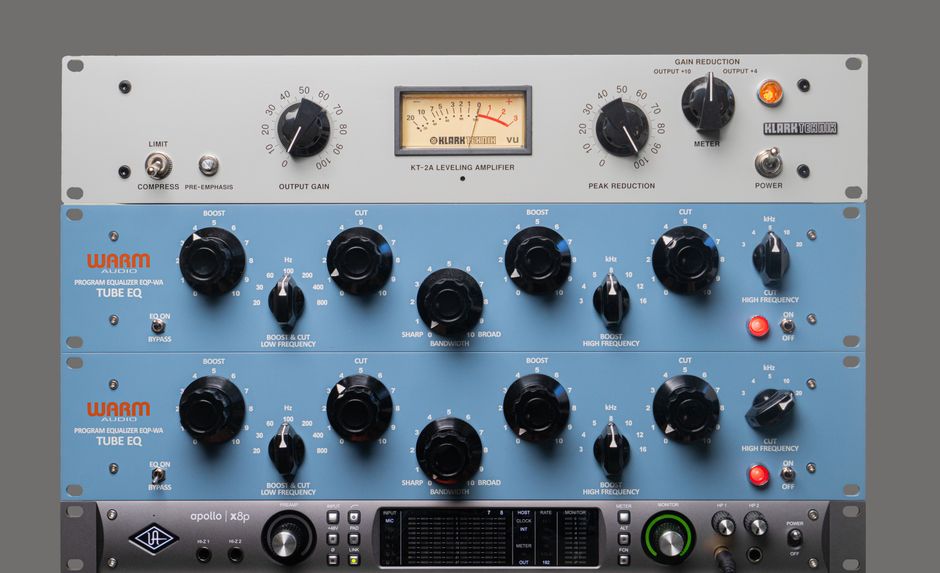
Sonic Integration of Hybrid Genres: Dynamic, Spectral, and Spatial Processing
Mixing techniques to fuse disparate musical styles, optimizing frequencies, dynamics, and spatiality in contemporary productions.

Stereo Microphone Techniques: X-Y vs. A-B and Their Impact on Phase, Imaging, and Mono Compatibility
A technical comparison of X-Y and A-B stereo microphone setups, analyzing their effects on spatial perception and stereo recording fidelity.

Cinematic Sound Design: Contemporary Techniques for Acoustic Landscapes and Immersive Audio
Exploring advanced sound design methodologies, from field recordings to synthesis and 3D audio for film.

FL Studio: Historical Evolution and Global Music Production Democratization
An analysis of FL Studio's development from FruityLoops to its status as a comprehensive DAW and its impact on music creation.