The Evolution of Multitrack Recording: From Les Paul to Modern DAWs
Explore the history and impact of multitrack recording in music production, from its origins to digital audio workstations.
Origins of Multitrack Recording: From Limitation to Flexibility
The ability to record multiple sound sources independently has been one of the most significant innovations in the history of music production. Before its advent, recordings were live, direct takes to a single channel or stereo pair, where any mistake meant re-recording the entire performance. This method severely limited experimentation and the perfection of individual sound elements. The development of multitrack recording not only simplified the technical process but also redefined composition, instrumentation, and sonic aesthetics, opening a universe of creative possibilities that we now consider fundamental. From the studios of Abbey Road to home studios in Buenos Aires, its influence is undeniable.
The concept of layering sounds was not new, but its practical, large-scale realization is attributed to pioneers like Les Paul. In the 1940s, Paul, a visionary guitarist and inventor, experimented with adding recording and playback heads to tape recorders, creating his own homemade multitrack devices. His early innovations, though rudimentary, demonstrated the immense potential of this technique. The true commercial revolution arrived with the Ampex company and its eight-track tape recorder, the Ampex 300, launched in the late 1950s. This equipment allowed artists and producers like Les Paul to record instruments and vocals separately, then mix them down to a final stereo track. The ability to correct mistakes, experiment with effects, and build complex arrangements layer by layer radically transformed the studio workflow. Magnetic tape became the standard medium, and with it, the techniques of overdubbing and punch-in were born, forming the foundation of modern production.
Key Innovations: Les Paul and the Magnetic Tape Revolution
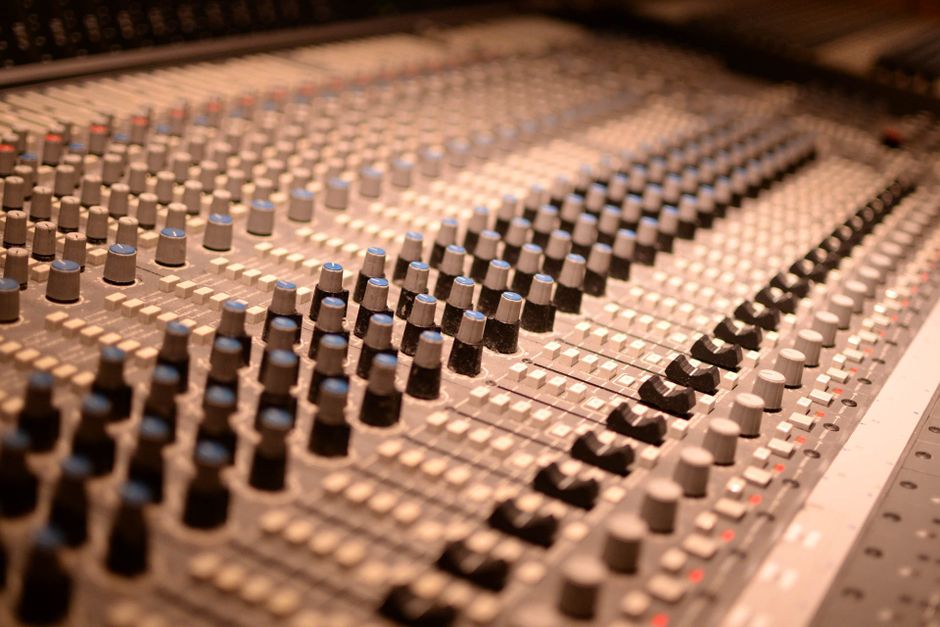
During the 1960s and 1970s, multitrack recording solidified as the backbone of the music industry. Professional recording studios invested in 16, 24, and even 48-track tape machines, often synchronizing multiple recorders. Companies like Studer, Otari, and MCI became benchmarks, providing the technology that brought countless classic albums to life. Concurrently, mixing consoles evolved to handle the increasing number of channels, offering sophisticated signal routing, equalization, and effects sends. Manufacturers like Neve and SSL (Solid State Logic) designed legendary mixing desks that became the heart of iconic studios worldwide. The warmth and inherent compression of tape, along with the harmonic character of analog consoles, defined the “sound” of an era, influencing genres from progressive rock to electronic tango. Recording sessions became more elaborate, allowing for meticulous attention to detail on every instrument and vocal.
The 1980s marked the beginning of the transition towards digital, a shift that promised greater fidelity, absence of tape hiss, and non-destructive editing. Early digital multitrack systems, such as the Sony PCM-3324 (a 24-track DASH digital tape recorder), were expensive and complex, restricted to elite studios. However, true democratization arrived in the 1990s with the ADAT (Alesis Digital Audio Tape) and the TASCAM DA-88. These low-cost digital tape recorders, which used VHS or Hi8 video tapes, allowed smaller studios and independent musicians to access digital multitrack recording. Each unit offered eight tracks, and multiple units could be synchronized to expand the channel count. This was a crucial step towards the concept of the “home studio.”
Analog Consolidation: 16, 24, and 48-Track Machines
The next technological leap was the development of Digital Audio Workstations (DAWs). Software like Pro Tools, Cubase, and Logic transformed personal computers into complete recording studios. Non-linear editing, detailed automation, integration of virtual instruments, and effects plugins opened up limitless creative possibilities, removing the physical limitations of tape and hardware. The initial learning curve was steep, but the potential to manipulate sound with unprecedented precision overcame any barriers. Today, a producer in Córdoba or anywhere else in the world can assemble a professional studio with significantly less investment than in the analog era, using a computer, an audio interface, and good software.
The evolution of the multitrack recording studio is a narrative of constant technological innovation, always driven by the pursuit of greater creative control and sonic fidelity. From Les Paul’s experimental tapes to today’s sophisticated DAWs, each stage has redefined what is possible in music production. This trajectory has not only facilitated the creation of complex works but has also empowered artists of all levels, allowing artistic vision to be realized with unimaginable precision and flexibility. The ability to isolate, manipulate, and combine sound elements remains the cornerstone of modern production, a legacy that continues to inspire new explorations in the vast sonic landscape.
Related Posts
Microtiming and Percussive Layers: Foundations for Distinctive Groove Construction
Delve into rhythmic articulation, microtiming, percussive layer design, and instrumental interaction for unique groove creation.

Interactive Audio Mastering: Dynamic Adaptation, Spatiality, and Workflows
Technical considerations for interactive audio: adaptive dynamics, 3D spatiality, and integrated workflows for immersive experiences.

FL Studio: Historical Evolution and Global Music Production Democratization
An analysis of FL Studio's development from FruityLoops to its status as a comprehensive DAW and its impact on music creation.
Evolution of USB Audio Interfaces: From Limited Connectivity to Professional Production
Historical analysis of USB audio interfaces: impact of bandwidth, latency, and standardization on modern music production.