Electric Guitar Recording: Mic'd Amp vs. Direct Input (DI)
Technical analysis of electric guitar recording techniques: mic'd amp versus direct input (DI) and their applications.
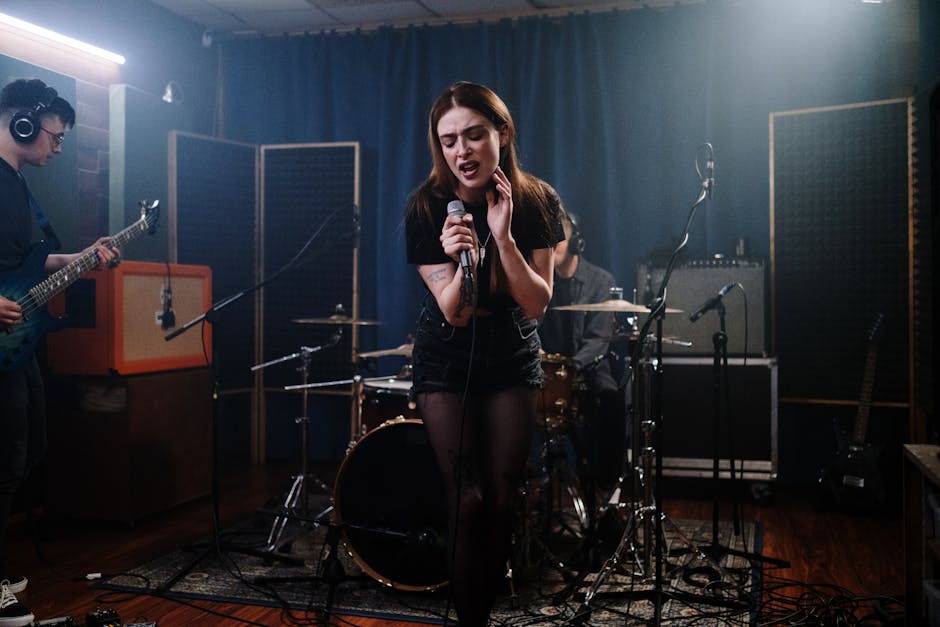
Capturing Electric Guitar: Amplification and Traditional Miking
Electric guitar recording is a cornerstone of contemporary music production, offering a spectrum of sonic possibilities ranging from the analog warmth of a tube amplifier to the digital versatility of direct input (DI) recording. The choice between these methodologies is not trivial; it directly impacts the texture, dynamics, and flexibility of the final sound. This analysis will explore the inherent characteristics of each approach, outlining their advantages and disadvantages in various production contexts, from professional studios to home studio setups in Buenos Aires or any corner of Latin America.
The capture of guitar via amplifier represents a traditional methodology that leverages the physical interaction between the instrument, amplifier, speaker, and the recording space’s acoustics. The primary advantage lies in the tonal richness and dynamic response that a real amplifier, especially a tube-driven one, imparts to the signal. The harmonic complexity, natural sustain, and the way the amplifier reacts to the guitarist’s playing dynamics are elements difficult to replicate entirely digitally. Miking plays a crucial role here, allowing the engineer to sculpt the final sound by selecting microphones (such as the classic Shure SM57 for a punchy front-end or a ribbon mic like the Royer R-121 for a smoother warmth) and their positioning relative to the speaker cone. However, this method presents significant challenges. Volume control in a home studio can be problematic, room acoustics directly influence the recording, and ambient noise can compromise signal cleanliness. Furthermore, the required equipment—amplifier, cabinet, microphones, preamplifiers—involves considerable investment and demands technical knowledge for correct implementation. For more information on miking techniques, resources like Sound on Sound offer detailed articles.
Direct Input (DI) Recording: Flexibility and Post-Production Processing
On the other hand, direct input (DI) recording offers an alternative with a focus on flexibility and post-production processing. A DI signal is obtained by connecting the guitar directly to a DI box (passive or active) or an audio interface with a high-impedance instrument input, bypassing the amplifier and microphone. The most evident advantage is the cleanliness and absence of ambient noise, resulting in a pure signal, ideal for subsequent manipulation. This methodology is extraordinarily versatile for re-amping, a process where the clean DI signal is sent from the DAW to a real (or simulated) amplifier to be miked and recorded again. This allows the producer to experiment with different amplifiers, pedals, and microphones after the guitar performance has been captured, without the pressure of making definitive tonal decisions during the recording session. Portability and ease of monitoring are other points in its favor, making DI a preferred option for home studios or recordings in diverse locations. DI signal processing is commonly done with amplifier and speaker cabinet simulators (Impulse Responses or IRs) in plugin format. Brands like Neural DSP, Universal Audio with their UAD Amps, or Native Instruments Guitar Rig, offer a wide range of emulations that have reached a surprising level of realism, allowing the recreation of almost any imaginable tone without the need for physical hardware.
The choice between these approaches, or the implementation of a hybrid workflow, depends on multiple factors. For genres where organic interaction and amplifier feedback are essential, such as classic rock or blues, recording with an amplifier is usually preferred. However, for modern styles requiring a clean, processable signal, or where mixing flexibility is paramount, DI becomes invaluable. A hybrid workflow, involving recording both the miked amplifier signal and a clean DI signal simultaneously, offers the best of both worlds. The DI signal acts as a ‘safety net’ or an option for future re-amping, while the amplifier signal provides immediate character and presence. This practice is common in high-level productions, allowing the mix engineer to decide which signal to use or how to combine them to achieve the desired sound. Latency, equipment cost, available time, and technical expertise are practical considerations that influence this decision. Platforms like Spotify or Bandcamp demonstrate the sonic diversity achieved with both techniques, from productions with organic amp sounds to tracks with digitally processed DI tones.
Hybrid Workflows and Technical Considerations
In summary, the decision of how to record an electric guitar is multifaceted, influenced by sonic goals, available resources, and the stage of the production process. Both methods, miked amplifier and DI, offer valid paths to a professional result. Understanding their technical fundamentals allows producers and musicians to make informed decisions. Experimenting with the characteristics of a real amplifier or the versatility of digital simulators, and integrating hybrid techniques, are key to optimizing the electric guitar sound in any recording context, from a studio in Palermo to an independent project in Cordoba. The richness of options available today allows for high-quality results tailored to each creative and technical need.
Related Posts

Compass Point's Sonic Legacy: Engineering and Ambiance in Iconic Music Production
An analysis of Compass Point Studios' impact on music production: engineering, ambiance, and recording techniques that defined a sound.

Sound Field Synthesis: Acoustic Principles, Implementation, and Immersive Applications
Advances in sound field synthesis, from Ambisonics and WFS to object-based audio, redefining music and audiovisual production.

The Stax Sound: Organic Recording Engineering and Its Legacy in Modern Production
An analysis of Stax Records' live recording methodology, unique acoustics, and enduring influence on contemporary audio engineering.

Capturing Global Percussion: Acoustics, Microphones, and Digital Techniques for High Fidelity
Optimizing traditional percussion recording with microphone selection, acoustics, and digital processing for maximum sonic authenticity.