Ableton Live: Composition and Sound Design Methodologies in Electronic Music
Explore fundamental composition, sound design, and mixing techniques in Ableton Live for contemporary electronic music production.
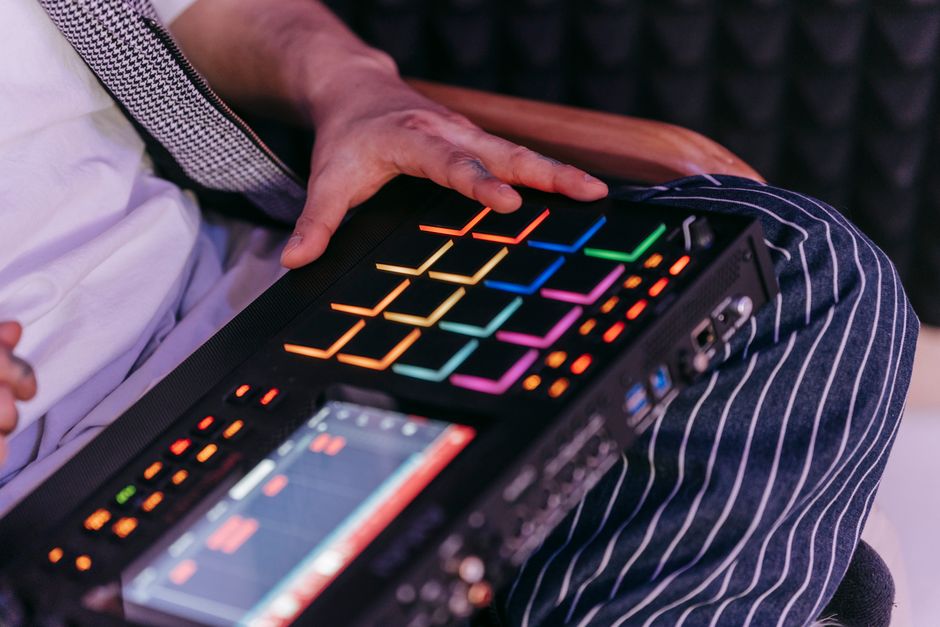
Architecture and Creative Views in Ableton Live
Contemporary electronic music production benefits significantly from advanced digital tools, and Ableton Live has solidified its position as a preferred working environment for numerous artists and producers on the global stage. Its flexible architecture, integrating composition, live performance, and mixing into a cohesive and highly intuitive workflow, sets it apart in the Digital Audio Workstation (DAW) landscape. This article delves into fundamental methodologies and technical considerations for creating electronic genres using Ableton Live’s intrinsic capabilities, from rhythmic conception to structuring and final processing of sonic material, aiming to optimize creative expression and technical quality.
Ableton Live offers two primary views that facilitate different creative approaches: the Session View and the Arrangement View. The Session View, with its grid of clips, allows for non-linear musical experimentation, ideal for improvisation and fluid idea building. MIDI clips are fundamental here, enabling the programming of complex rhythmic patterns and detailed melodic sequences. The ‘Follow Actions’ functionality on clips can generate spontaneous variations or predefined progressions, a valuable resource for maintaining interest in the repetitive structures typical of electronic music. For sound generation, Live’s native instruments like Operator, Wavetable, and Analog offer an extensive sonic palette, capable of covering everything from deep, resonant basses to atmospheric pads and cutting leads. Integration with external MIDI controllers is exceptionally smooth, optimizing tactile interaction with the software’s parameters. The import and manipulation of percussion samples and loops, often managed through platforms like Splice, integrate directly into the workflow, allowing precise temporal and tonal manipulation via Live’s ‘Warp’ tools, a distinctive feature of the software. More information about Live can be found on the official Ableton website.
Sound Design and Synthesis with Native Tools and Max for Live
Sound design is a cornerstone of electronic music, and Ableton Live provides a robust suite of tools for this task. Native audio effects, such as EQ Eight for spectral control, Compressor for dynamic management, and Reverb and Delay modules for spatialization, are high-quality and can be chained in ‘Audio Effect Racks’ to create complex and custom processing chains. These racks not only organize effects efficiently but also allow the assignment of multiple parameters to a single macro, facilitating expressive real-time modulation and creative automation. Virtual modular synthesis, possible with Max for Live, greatly expands sound design capabilities, enabling the construction of completely personalized instruments and effects that push conventional boundaries. The use of ‘Drum Racks’ is essential for building electronic drum kits, offering granular control over each percussive element, from sample selection to its individual processing with insert effects on each pad. Applying modulation with LFOs or envelopes to almost any parameter in Live is a powerful technique for adding movement, evolution, and life to sounds, preventing staticity and fostering a dynamic and enveloping sonic texture.
A clear, coherent, and spacious mix is crucial for the impact of any electronic music production. Ableton Live facilitates this process with intuitive and precise mixing tools. Equalization (EQ) is fundamental for defining the spectrum of each sound, eliminating unwanted resonances, and creating the necessary frequency space for each element in the mix to occupy its place without masking others. Compression, particularly the ‘sidechain compression’ technique, is ubiquitous in genres like house and techno, where the bass or pad is rhythmically attenuated to the beat of the kick drum, creating the characteristic ‘pumping’ that drives the track and generates rhythmic cohesion. Automation of volume, panning, and effect parameters is vital for creating interesting dynamics, smooth transitions, and moments of tension and release throughout the arrangement. Organizing signals into auxiliary buses for send effects like reverbs and delays allows for efficient management of space and depth, contributing to a wider and more professional stereo image. Before the mastering stage, it is advisable to export the mix with adequate headroom (e.g., peaks not exceeding -6 dBFS) and without excessive limiters or compressors on the master bus, to allow the mastering engineer the necessary dynamic range for their work. Constant referencing of professional tracks from similar genres on platforms like Spotify or Bandcamp during the mixing process is a valuable practice to ensure the competitiveness and professional character of the final sound. This confluence of creativity, technology, and methodology represents the core of electronic music production with Ableton Live. Its intuitive design and powerful features enable producers, from the underground scene to cutting-edge studios worldwide, to materialize their sonic visions with efficiency and considerable artistic depth. Constant exploration of its tools, experimentation with sound design, and meticulous attention to mixing details are key factors for achieving high-impact electronic productions that resonate with audiences. The learning curve is accessible, but mastering its capabilities offers limitless potential for sonic innovation and artistic expression in the realm of electronic music.
Related Posts
AI-Powered Contextual Mastering: Feature Analysis and Application in Modern Workflows
AI analyzes audio contextually, optimizing music production and complementing human expertise in global studios.

Audio Mastering for Streaming: LUFS Standards, Dynamic Processing, and Codec Optimization
Explore the technical fundamentals of audio mastering for streaming platforms, covering LUFS, dynamic processing, and codec selection.

Evolution of Sound Sampling: From Early Hardware Samplers to Digital Convergence
Technical analysis of hardware sampler development, its impact on music production, and its legacy in current digital tools.

Optimizing Vocal Capture: Microphone Selection, Placement, and Spatial Acoustics
Exploring methodologies for enhancing voice capture, from transducer choice to acoustic treatment and emerging technologies.