Compositional Analysis and Sound Production of Los Gatos: Pioneers of Argentine Rock
Technical exploration of Los Gatos' work, from 'La Balsa' to their sonic evolution, laying the foundations of Argentine national rock.

Harmonic and Melodic Analysis of ‘La Balsa’: Foundations of Argentine Rock
Los Gatos, a pivotal group in the genesis of Argentine national rock, transcended mere musical interpretation to establish the foundations of an identifiable sound. Their work, initiated in the vibrant 1960s, not only captured the spirit of an era but also exhibited a compositional sophistication and instrumental execution deserving of detailed analysis. This article explores the engineering behind some of their most influential compositions, examining melodic construction, harmonic progressions, and the significance of their production within the region’s nascent technical context.
The release of “La Balsa” in 1967 marked an undeniable milestone. Composed by Litto Nebbia and Tanguito, this piece is a study in the effectiveness of harmonic and lyrical simplicity. Its structure, based on a diatonic chord progression and a vocal melody anchored in the minor pentatonic scale, demonstrates how economy of resources can generate massive impact. The instrumentation, characterized by electric guitar with a light overdrive and Hammond organ, establishes an atmosphere that is both introspective and expansive. The bass line, played with a steady cadence, provides a solid rhythmic foundation that allows the vocals and lead guitar to converse clearly. The recording process, rudimentary by today’s standards, captured a spontaneity that became an integral part of its appeal, evidencing that the essence of the composition transcended any technical limitations. The massive success of “La Balsa” not only validated the commercial potential of rock in Spanish but also solidified a production and composition model that would influence subsequent generations of Argentine artists. Listen to “La Balsa” on Spotify
Evolution of Arrangements and Sonic Textures in Los Gatos’ Discography
Advancing through their discography, Los Gatos explored greater complexity in their arrangements. “Viento, dile a la lluvia” (Wind, Tell the Rain), from the 1968 self-titled album, illustrates an evolution in melodic construction and orchestration. The interplay between Kay Galiffi’s guitar and Ciro Fogliatta’s organ takes on a more prominent role, with contrapuntal lines enriching the sonic texture. Nebbia’s vocals, at this stage, exhibit greater modulation and dynamic range, adapting to more elaborate lyrical narratives. From a production perspective, the mixing of this period reveals an attempt to achieve greater instrumental separation, which was a challenge with the available recording technology. Listen to “Viento, dile a la lluvia” on Spotify “El Rey Lloró” (The King Cried), also from 1968, is another example of this growing sophistication. The introduction of blues and psychedelic elements is manifested in extended guitar solos and the use of reverb and delay effects, which, though basic, contributed to the song’s ethereal atmosphere. The rhythm section, comprising Alfredo Toth on bass and Oscar Moro on drums, exhibits exceptional cohesion, maintaining the groove while the melodic layers develop. These tracks demonstrate Los Gatos’ ability to expand their sonic palette without losing the immediacy of their initial compositions. Listen to “El Rey Lloró” on Spotify
Towards the end of the decade, with albums like “Beat N° 1” (1969) and “Rock de la mujer perdida” (Rock of the Lost Woman, 1970), Los Gatos consolidated their sound and allowed for greater experimentation. “Ya no hay forma de pedir perdón” (There’s No Way to Ask for Forgiveness Anymore) is a testament to their compositional and arrangement maturity. The song’s structure becomes less predictable, with sections varying in intensity and tempo, incorporating instrumental passages that evoke nascent progressive rock. The interplay between instruments is more intricate, with Moro’s drumming offering complex rhythmic patterns and Toth’s bass outlining melodic lines that complement the harmonies. The production of these albums, while still marked by the limitations of the era, aimed to capture the energy of live performances, prioritizing the clarity of each instrument within the stereo mix, a novelty for many local studios. Listen to “Ya no hay forma de pedir perdón” on Spotify “Muchachos de la ciudad” (Guys from the City), meanwhile, with its infectious energy and distinctive guitar riff, exemplifies the band’s ability to create generational anthems with a pure rock and roll foundation. Nebbia’s vocal performance is more powerful and assertive, supported by backing vocals that add depth and resonance. These compositions not only reflect Los Gatos’ artistic evolution but also anticipate trends that would solidify in seventies Argentine rock, establishing the band as an indispensable reference in shaping the local sound. Listen to “Muchachos de la ciudad” on Spotify
Compositional Experimentation and Production in Los Gatos’ Maturity
The legacy of Los Gatos, analyzed from a technical and compositional perspective, reveals a band that was not only pioneering but also an entity in constant evolution. Their “essential songs” are not mere historical artifacts but practical examples of how melodic innovation, harmonic progression, and instrumental arrangement can converge to create enduring works of art. From the striking simplicity of “La Balsa” to the sophistication of their later works, Los Gatos set a precedent for music production in Argentina, demonstrating that authenticity and artistic vision can transcend any technical barrier. Their influence still resonates today in the music scene of Buenos Aires and all of Latin America, keeping the flame of national rock alive.
Related Posts

Microtiming, Dynamics, and Spatialization: Sculpting Organic Groove in Music Production
Technical analysis of how microtiming, dynamics, and spatialization define music's rhythmic character and emotional resonance.
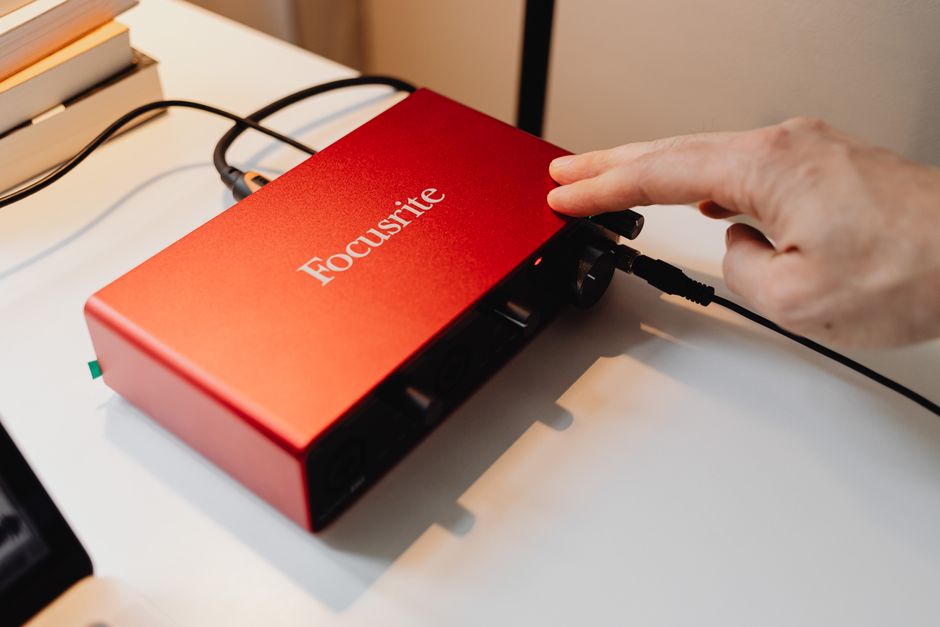
USB vs. Thunderbolt: Evaluating Performance and Latency in Audio Interfaces for Music Production
Comparative analysis of USB and Thunderbolt architectures, highlighting their impact on latency, bandwidth, and stability for audio workflows.

Acoustic Principles and Room Treatment for High-Fidelity Music Production
Understand reverberation, flutter echo, and modal resonances. Optimize your space with absorption and diffusion for accurate mixes.

Sonic Architecture: An Analysis of Marisa Monte's Setlists
Studying the evolution and strategy in Marisa Monte's live repertoires to optimize the listening experience.