Analysis of Guitar Evolution in Charly García's Work
Technical exploration of guitar integration and development in Charly García's sonic universe.

Evolution of the Guitar in Charly García’s Sonic Approach
Charly García’s career, a cornerstone of Argentine and Latin American rock, is defined by constant sonic experimentation that pushed the boundaries of his era. While his mastery of keyboards is undeniable, the electric and acoustic guitar has played a crucial role in shaping his musical world, not just as a lead instrument, but as a harmonic and textural pillar intrinsically linked to his compositions. Analyzing how the guitar was integrated and evolved within his sonic proposal offers valuable insight into his creative process and his influence on regional music production.
García’s instrumental choices, or those of his accompanying guitarists, always served the pursuit of a specific sound for each phase. In his early days with Sui Generis, Nito Mestre’s acoustic and electric guitar, occasionally complemented by García’s own, laid the foundation for a melodic folk-rock sound. Later, with La Máquina de Hacer Pájaros, the electric guitar began to exhibit greater textural and rhythmic complexity, incorporating elements of jazz fusion and progressive rock. Guitarists like Gustavo Bazterrica and Carlos Cutaia (on keyboards, but his interaction with guitars was key) explored more elaborate timbres, utilizing wah-wah pedals, flangers, and subtle distortions that enhanced the soundscapes crafted by Charly’s synthesizers and electric pianos. This period exemplifies how the guitar was woven into a broader sonic tapestry, where each instrument contributed to a rich and dynamic palette of colors. Albums from this era, such as “Películas,” showcase this detailed interplay. (Example: “Nube 11” on Spotify: https://open.spotify.com/track/4jV6v7ZJ2V2U9h0fR0vJ0f)
Instrumental Integration in Sui Generis and La Máquina de Hacer Pájaros
The Serú Girán era marked a significant turning point. David Lebón’s guitar, with its versatility and expressiveness, became a distinctive voice that directly interacted with Charly’s piano. Lebón employed Gibson Les Paul and Fender Stratocaster guitars, alternating between crystalline clean tones and warm overdriven sounds, often enriched with chorus and delay effects to create immersive atmospheres. The synergy between García’s piano and Lebón’s guitar defined much of the band’s sonic identity, exploring everything from intimate ballads to powerful rock passages. The spatial placement of instruments in the mix, with guitars sometimes taking a leading role and other times blending seamlessly with the keyboards, is crucial for understanding Serú Girán’s tonal balance. For analytical listening, “Peperina” (https://open.spotify.com/track/10v2t5B6hE9pM0j0J0J0J0) or “Seminare” (https://open.spotify.com/track/5c8Rz6bL8X7p3T3c3J3J3J) offer excellent starting points.
Throughout his prolific solo career, Charly García continued to explore the guitar’s sonic possibilities, collaborating with a diverse range of guitarists who brought their unique textures and techniques. From the raw punk edge of Andrés Calamaro on “Yendo de la cama al living” to the sophisticated contributions of Pedro Aznar and María Gabriela Epumer, the guitar adapted to García’s evolving aesthetics. The use of effects such as flanger (notable in “No bombardeen Buenos Aires”), phaser, and various types of distortion and overdrive, were constant tools for shaping the character of the guitars. In many instances, Charly’s arrangements dictated how the guitar should complement or contrast with synthesizers, creating dense harmonic layers or melodic lines that intertwined with his vocals and pianos. Understanding how these effects were implemented within the context of the final mix reveals García’s intention to build coherent and emotionally resonant soundscapes.
The Guitar as a Distinctive Voice in Serú Girán
In retrospect, the sound of guitars in Charly García’s work is not merely the result of instrument or effects selection, but a manifestation of his comprehensive compositional vision. The guitar, whether played by himself or his collaborators, was a malleable and expressive element that adapted to the demands of his artistic evolution, contributing to the harmonic, rhythmic, and textural richness that characterizes his legacy. His focus on instrumental interaction and signal manipulation set precedents for music production in the region, demonstrating that experimentation and attention to detail are fundamental to building an enduring sonic identity.
Experimentation and Textures in García’s Solo Career
Related Posts
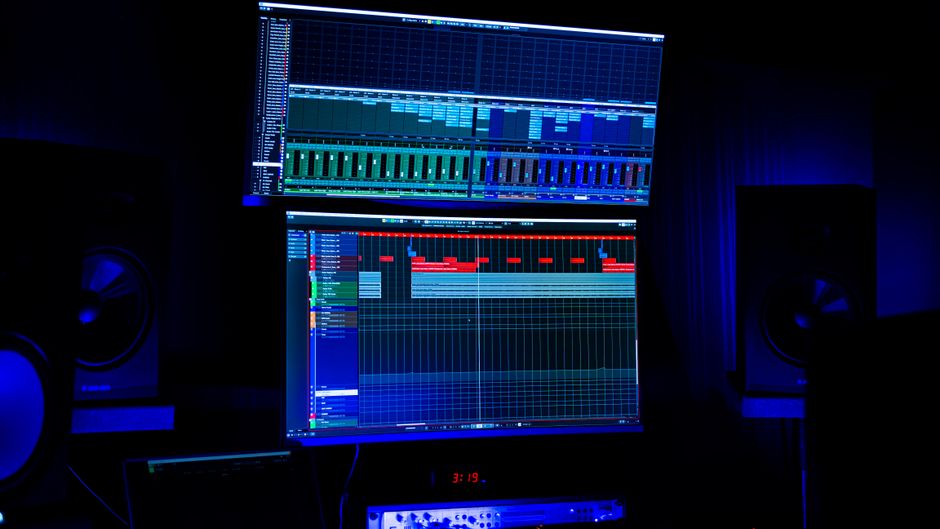
Cubase: Technological Evolution and Its Impact on Modern Music Production
Analysis of Cubase's evolution from its MIDI beginnings to current AI and immersive audio capabilities.

From Raw Edge to Refined Sound: Tracing Once Tiros' Musical Metamorphosis
Explore the captivating sonic evolution of Once Tiros, from their punk-rock roots to their sophisticated modern sound, offering insights for Latin American artists.

Audio Decorators: Techniques and Application in Contemporary Music Production
Technical exploration of time-based, modulation, and sound design effects for enriching musical productions.

Bandalos Chinos: Echoes of Synth-Pop and the Future of Latin American Indie
Explore Bandalos Chinos' unique blend of nostalgic synth-pop and modern indie, dissecting their influences, production artistry, and significant cultural impact across Latin America.