Charly García's Sonic Alchemy: Decoding His Iconic Guitar and Keyboard Sound
Explore the unique sonic landscape created by Charly García, from his foundational guitar work to his revolutionary keyboard textures, influencing generations of Latin American musicians.
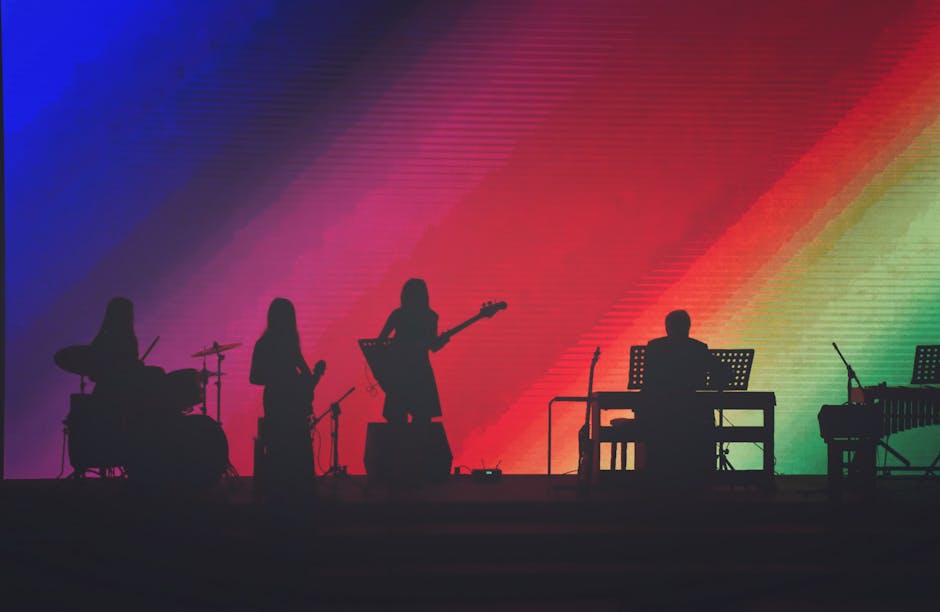
Charly García is more than a musician; he is an architect of sound, a pioneer whose influence permeates the very fabric of rock nacional and beyond. His work, a vibrant tapestry woven from intricate melodies, profound lyrics, and an utterly distinctive sonic palette, has captivated audiences across Argentina and Latin America for decades. While often celebrated for his mastery of keyboards and synthesizers, understanding Charly’s complete sonic identity requires delving into the often-understated, yet profoundly impactful, role of the guitar in his compositions and live performances. This exploration isn’t just a historical review; it’s an invitation for contemporary artists and producers to draw inspiration from a true innovator’s approach to sound design and musical expression.
The Foundation: Early Guitar Explorations and Songwriting Craft
Before the iconic piano and synth solos became his trademark, Charly García’s musical journey was significantly shaped by the acoustic and electric guitar. In his early bands like Sui Generis and La Máquina de Hacer Pájaros, the guitar served as a crucial songwriting tool and a fundamental textural element. His approach wasn’t about flashy solos, but rather about crafting melodic lines, rhythmic foundations, and harmonic support that elevated his lyrical narratives. Think of the intricate acoustic patterns in Sui Generis classics, or the more progressive rock-influenced electric textures in La Máquina. These early years established a deep understanding of how guitar could serve the song, a principle that remained central even as his instrumentation evolved.
For today’s musicians, this offers a vital lesson: focus on the song’s core. Before layering complex sounds, ensure your fundamental melodies and harmonies, whether on guitar or any other instrument, stand strong. Experiment with different acoustic guitar voicings to find unique textures, or use electric guitars for subtle rhythmic motifs rather than just lead lines. Charly’s early work demonstrates that a well-placed, thoughtful guitar part can be far more impactful than a technically dazzling but emotionally hollow solo. Artists like WOS or Nathy Peluso, though different genres, often embody this principle of thoughtful instrumentation serving a powerful message.
The Keyboard Era: Guitars as Texture and Counterpoint
As Charly’s career progressed into the seminal Serú Girán era and his prolific solo career, keyboards and synthesizers took center stage, defining a new sonic landscape for rock nacional. Yet, guitars never truly disappeared. Instead, their role transformed, becoming a vital element for texture, counterpoint, and sometimes, a sudden burst of raw energy. Pedro Aznar’s bass and David Lebón’s guitar work in Serú Girán, for instance, perfectly complemented Charly’s piano and synth arrangements, creating a rich, dynamic soundscape. Lebón’s soaring leads and tasteful rhythm parts added grit and melodic counterpoint, proving that guitars could coexist powerfully with dominant keyboard sounds.
Charly himself would often pick up a guitar, particularly a Fender Stratocaster or a Gibson Les Paul, for specific songs or live moments, adding a distinct flavor that only a guitar can provide. These weren’t typically extended solos, but rather focused riffs, rhythmic strumming, or atmospheric swells that provided contrast to his often-dense keyboard arrangements. He understood that the distinct attack and sustain of an electric guitar, especially when treated with effects, could cut through a mix in a way a synth might not, or offer a grounding presence amidst ethereal pads.
Practical Insight: Contemporary producers can learn from this by treating guitars as more than just lead or rhythm instruments. Consider them for atmospheric pads using volume swells and heavy reverb/delay, or for sharp, percussive accents. Layer subtle guitar lines underneath synth chords to add organic warmth or a touch of analog grit. Explore how artists like Tame Impala or even modern trap producers use heavily processed guitar samples for unique textures, echoing Charly’s innovative approach to instrumentation.
Signature Effects and Studio Craft: Shaping the Sound
Charly García’s sonic signature is deeply intertwined with his masterful use of effects and his often-experimental studio techniques. He was never afraid to push boundaries, embracing new technologies while maintaining a distinct artistic vision. While his keyboard sounds (Moog, Korg, Roland) are legendary, his use of guitar effects also contributed to his unique sound.
He frequently employed modulation effects like phasers, flangers, and choruses, adding movement and depth to both his guitar and keyboard parts. Distortion and overdrive were used judiciously, often for emphasis rather than constant aggression. Reverb and delay were essential for creating expansive soundscapes, particularly in his more progressive and cinematic pieces. His studio work was characterized by a willingness to experiment with microphone placement, unconventional mixing techniques, and leveraging the studio as an instrument itself. He often worked with top-tier engineers, collaboratively shaping the sonic identity of each album.
Actionable Advice: For producers today, this translates to embracing sound design. Don’t just pick a preset; sculpt your sounds. Experiment with the order of your guitar pedals or DAW plugins. Run a guitar through a synth filter, or process a keyboard with guitar-centric effects. Explore vintage emulations of effects like the MXR Phase 90 or Electro-Harmonix Electric Mistress (effects often associated with the era he was active). Modern DAWs like Ableton Live or Logic Pro X offer incredible flexibility for creative signal processing. Consider using parallel processing to blend clean and effected signals, a technique that allows for both clarity and sonic depth. Listen to how artists like Gustavo Cerati (especially his later solo work) or even contemporary electronic artists utilize effects not just to enhance, but to define their sound. For example, Spotify showcases a vast array of artists experimenting with diverse guitar tones and effects, offering a rich source of inspiration. Explore Charly García’s music on Spotify.
The Enduring Legacy: Inspiration for a New Generation
Charly García’s impact on music is immeasurable, and his approach to instrumentation and sound design continues to inspire new generations of artists and producers. He demonstrated that musical expression transcends genre boundaries and that true innovation lies in a fearless pursuit of one’s unique sonic vision. His legacy reminds us that whether you’re crafting a minimalist acoustic piece or a complex electronic soundscape, the thoughtful integration of every element – from a single guitar strum to a layered synth pad – contributes to the overall artistic statement.
His ability to blend rock, pop, progressive, and even classical elements, always with an unmistakable personal stamp, is a testament to his genius. For Argentinian and Latin American musicians, Charly’s work is a constant reminder of the power of authenticity and the endless possibilities of musical creation. He didn’t just play instruments; he made them sing his truth.
Key Takeaways:
- Serve the Song: Prioritize songwriting and melody over technical flash.
- Guitars as Texture: Use guitars for atmosphere, counterpoint, and rhythmic accents, not just leads.
- Embrace Effects: Experiment fearlessly with modulation, delay, reverb, and distortion to sculpt unique sounds.
- Studio as Instrument: Treat your recording environment and tools as creative partners.
- Authenticity is Key: Develop a unique sonic identity that reflects your artistic vision.
By studying Charly García’s approach, musicians can unlock new pathways for creativity, pushing the boundaries of their own sonic explorations and contributing to the rich tapestry of contemporary music.
Related Posts

Acoustic Innovation at Abbey Road: The Beatles' Technological and Creative Fusion
An analysis of The Beatles' pioneering recording and production techniques at Abbey Road and their impact on modern audio engineering.

Artificial Intelligence in Dynamic Processing: Adaptability and Advanced Musical Sensitivity
Exploring how AI redefines audio compression, offering intuitive and sensitive adjustments for cutting-edge music productions.

Shangri-La: Sonic Architecture and Inspiring Music Production Philosophy
Shangri-La Studio, a creative sanctuary blending design, acoustics, and authenticity for iconic recordings.
LUFS: Unifying Perceived Loudness in Digital Audio Production and Distribution
The LUFS standard and its measurements (Integrated, Short-Term, Momentary) ensure global auditory consistency across streaming and broadcast platforms.