Unleash Raw Power: How Field Recordings Revolutionize Rock Music Production
Discover how field recordings transcend traditional studio limitations, adding raw sonic textures and unique artistic depth to modern rock music productions.
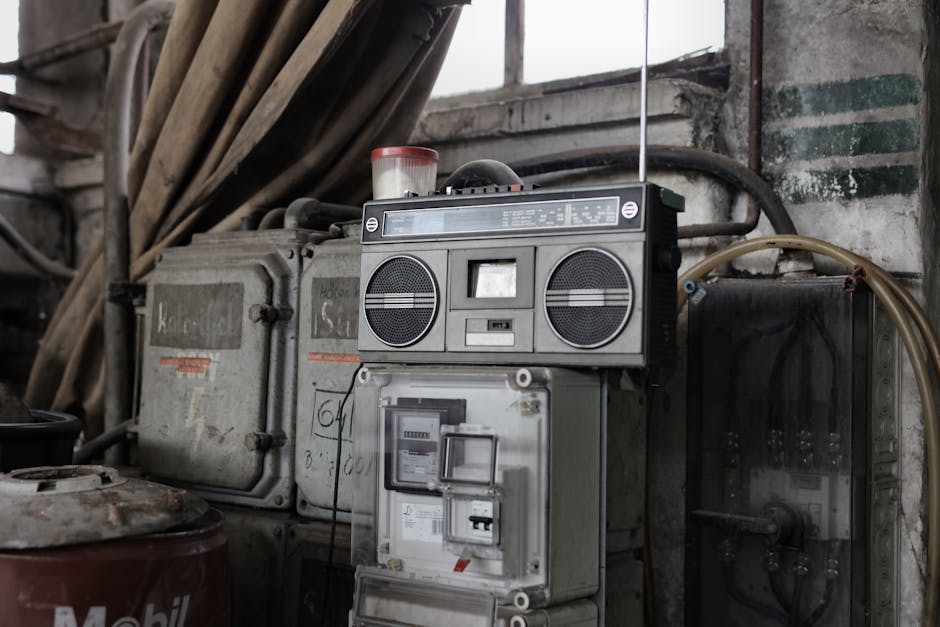
In the ever-evolving landscape of rock music, the quest for fresh sounds and authentic textures often leads artists beyond the confines of the traditional recording studio. Field recording – the art of capturing sounds from the natural world and urban environments – offers an unparalleled sonic palette, transforming the very essence of rock production. This approach injects a raw, visceral quality, grounding tracks in a tangible reality while simultaneously expanding their atmospheric and emotional reach. It’s about more than just adding background noise; it’s about crafting immersive soundscapes that speak volumes, giving your music a unique voice and a sense of place.
The Untamed Palette: Why Rock Embraces Ambient Sounds
Rock music, at its core, has always been about energy, rebellion, and emotional expression. Field recordings amplify these qualities by introducing elements that are both unexpected and deeply resonant. Imagine a powerful guitar riff underscored by the distant rumble of a train, or a haunting vocal line woven through the sound of a desolate wind. These aren’t mere effects; they are integral components that build atmosphere, tell a story, and evoke a specific mood that conventional instruments alone might struggle to achieve.
This technique allows producers and artists to break free from the sonic clichés often associated with studio-centric rock. It provides an opportunity to infuse tracks with unique timbres – the clang of an old factory, the chatter of a bustling market, the rhythmic drip of water in a cave – transforming them into percussive elements, textural drones, or atmospheric layers. For musicians in vibrant regions like Argentina or across Latin America, this means the potential to capture the unique sonic identity of their surroundings – the pulse of a city, the sounds of local flora and fauna, or the distinct echoes of historical architecture – and weave them into a globally resonant musical narrative. It’s about sonic authenticity, pushing boundaries, and creating a truly immersive experience for the listener.
Capturing the World: Tools and Techniques for Rock Artists
Embarking on a field recording journey doesn’t require an elaborate setup, but understanding the right tools and techniques is crucial. The goal is to capture high-quality audio that can be later manipulated and integrated seamlessly into your rock compositions.
Essential Gear:
- Portable Recorders: Devices like the Zoom H-series or Tascam Portacapture offer excellent quality, multiple inputs, and robust build for on-the-go recording. Their built-in microphones are often surprisingly good, and many allow for external mic connections.
- Microphones: Depending on your target sound, consider:
- Omnidirectional Mics: Great for capturing immersive ambient soundscapes.
- Shotgun Mics: Ideal for isolating specific sounds over a distance.
- Contact Mics: Perfect for capturing vibrations and internal sounds from objects (e.g., a rusty fence, a resonant piece of metal).
- Wind Protection: A good dead cat or foam windscreen is indispensable for outdoor recording, preventing unwanted wind noise that can ruin a take.
- Headphones: Closed-back headphones are essential for monitoring your recordings in real-time, ensuring you capture what you intend and identify any unwanted interference.
Practical Techniques:
- Intentional Sound Hunting: Don’t just record randomly. Think about the mood or texture you want to evoke. Are you looking for industrial clangs, natural ambiences, or unique percussive elements?
- Stealth and Patience: Many compelling sounds occur naturally. Be patient, find a good spot, and let the environment unfold around your recorder. Sometimes the best recordings come from simply being present and observant.
- Metadata and Organization: Label your recordings meticulously. Note the location, time, specific sound, and any potential uses. This will save immense time during the production phase.
- Safety First: When recording in urban or wild environments, always prioritize your safety and be aware of your surroundings. Respect private property and local regulations.
From Abstract to Anthem: Integrating Field Recordings into Rock Production
Once you’ve amassed a library of intriguing field recordings, the real magic begins in your Digital Audio Workstation (DAW). The key is creative integration and thoughtful processing to transform raw environmental sounds into vital components of your rock tracks.
Creative Integration Strategies:
- Atmospheric Layers: Subtle, low-volume ambiences (e.g., distant city hum, forest sounds, rain) can provide a powerful emotional backdrop, giving your song a sense of space and depth. Blend them carefully with reverb and delay to sit naturally in the mix.
- Percussive Elements: A metallic clang, a door creak, or a footstep can be sliced, pitched, and processed to create unique percussive hits, supplementing or even replacing traditional drums. Experiment with layering these with existing drum samples for added grit.
- Textural Drones and Pads: Take a sustained sound (e.g., a prolonged machine hum, wind through wires) and stretch, reverse, or apply granular synthesis to create evolving, atmospheric pads that can underpin verses or bridges.
- Transitions and Effects: Field recordings can be excellent for creating impactful transitions between song sections, or as unique sound effects (e.g., a sudden crackle, a distorted vocal snippet from a public space).
Processing for Impact:
Don’t be afraid to heavily process your field recordings. This is where they truly become musical elements:
- EQ and Filtering: Remove unwanted frequencies (e.g., excessive bass rumble, harsh highs) and shape the sound to fit the mix. High-pass filters are often essential.
- Compression and Gating: Control dynamics and reduce noise. A gate can isolate specific hits from a noisy recording.
- Reverb and Delay: Place sounds in a sonic space. Long, ambient reverbs can make a simple sound vast and ethereal.
- Distortion and Saturation: Add grit, aggression, and harmonic richness, making environmental sounds feel more ‘rock’.
- Pitch Shifting and Time Stretching: Drastically alter the character of a sound. A slow, pitched-down recording can become monstrous; a sped-up one can become frantic.
- Granular Synthesis: Break sounds into tiny ‘grains’ and reassemble them in new, evolving textures. DAWs like Ableton Live offer powerful tools for this, as do various third-party plugins.
Artists like Radiohead, known for their experimental soundscapes, and even some contemporary post-rock bands frequently integrate processed field recordings to create their signature atmospheric depth. Consider the subtle, almost unsettling environmental textures in tracks by bands like Godspeed You! Black Emperor or the more overt use of found sounds in artists like Bon Iver. These examples demonstrate the boundless potential for innovation when studio and real-world sounds collide.
Conclusion: The Uncharted Sonic Territory Awaits
Field recording is more than just a technique; it’s a philosophy that encourages musicians to listen differently, to find music in the mundane, and to infuse their art with the vibrant, unpredictable energy of the world around them. For rock artists seeking to distinguish their sound, break new ground, and forge a deeper connection with their audience, embracing field recordings offers an exciting, uncharted sonic territory.
By venturing beyond the studio walls and bringing the world into your mixes, you’re not just adding sounds; you’re adding stories, textures, and an undeniable sense of authenticity that will resonate long after the final chord fades. So grab your recorder, open your ears, and let the world become your next instrument. The sonic possibilities are truly limitless.
Related Posts

Kinetic Sound Design: Temporal and Spatial Manipulation for Evolving Auditory Narratives
Explore granular synthesis, automation, and reactive control for dynamic, immersive soundscapes in modern productions.

ADSR Modeling: Principles of Sound Envelope in Synthesis and Audio Processing
Analysis of the ADSR model and its fundamental application in synthesis, mixing, and immersive audio for professional sound design.

Neural Style Transfer: Advances in Vocal Synthesis and Creative Implications
Analysis of neural style transfer in vocal synthesis, its applications in music, and ethical challenges.

Fundamentals of Synthesis and Spatial Processing in Contemporary Ambient Music Production
Analysis of synthesis, spatial processing, and composition techniques for creating immersive soundscapes in ambient music.