Karamelo Santo's Collaborative Masterpieces: Forging Global Sounds and Artistic Synergy
Explore the most impactful collaborations by Argentine fusion pioneers Karamelo Santo, and learn how their artistic partnerships shaped their sound and global reach.

Karamelo Santo, the iconic Argentine band, has carved a unique niche in the global music landscape with their electrifying blend of cumbia, ska, punk, and reggae. More than just a musical style, their journey is a testament to the power of collaboration – a vibrant tapestry woven with diverse influences and shared artistic visions. For musicians, artists, and producers across Latin America and beyond, their story offers invaluable lessons on expanding creative horizons and reaching new audiences through strategic partnerships. In an era where digital tools facilitate connections across continents, understanding the art of collaboration, as exemplified by Karamelo Santo, is more crucial than ever.
The Alchemy of Cross-Genre Fusion: A Core Philosophy
Karamelo Santo’s sound is inherently collaborative, born from a fearless exploration of genres that transcend traditional boundaries. This openness is not just a stylistic choice but a philosophical approach that has naturally led them to connect with artists from diverse backgrounds. Their willingness to experiment, to blend the raw energy of punk with the infectious rhythm of cumbia, or the laid-back groove of reggae with the rebellious spirit of ska, creates a fertile ground for unique artistic encounters.
Practical Insight: For emerging artists, this teaches a fundamental lesson: embrace your influences. Don’t shy away from mixing seemingly disparate genres. Seek out musicians whose styles complement or even challenge your own. A guitarist from a jazz background collaborating with a cumbia percussionist, for instance, can unlock entirely new rhythmic and harmonic possibilities. Consider virtual jam sessions using platforms like Soundtrap or JamKazam to connect with musicians globally and experiment with genre fusion without geographical limitations.
Bridging Continents: Global Connections and Shared Stages
Karamelo Santo’s extensive touring, particularly across Europe, has been instrumental in fostering significant collaborations. Their long-standing relationship with artists like Manu Chao is a prime example. While direct studio albums together might be less common, their shared stages, mutual respect, and intertwined musical ethos have profoundly impacted both their sounds and their reach. These connections aren’t just about sharing a stage; they’re about cultural exchange, shared political perspectives, and a collective vision for music as a universal language. Another notable connection is with Fermín Muguruza (formerly of Kortatu and Negu Gorriak), an artist who shares Karamelo Santo’s commitment to socially conscious music and cross-cultural exchange.
Such partnerships have not only exposed Karamelo Santo to wider European audiences but have also brought European artists deeper into the rich tapestry of Latin American sounds. This cross-pollination is vital in today’s globalized music market.
Actionable Advice: Leverage your network. Attend festivals, both local and international, and actively seek out artists who resonate with your vision. Platforms like Bandcamp and Spotify allow you to discover artists globally. Don’t underestimate the power of social media to initiate conversations. When approaching a potential collaborator, clearly articulate what you admire about their work and how you envision your styles merging. For instance, an Argentine producer could reach out to a Spanish rapper or a French electronic artist, proposing a track that blends regional rhythms with their unique sound, fostering a truly international production.
The Collaborative Process: From Idea to Release
Successful collaborations extend beyond artistic synergy; they require meticulous planning and clear communication. Karamelo Santo’s journey, often involving musicians from different countries and cultural contexts, underscores the importance of a well-defined process.
- Communication is Key: Establishing clear lines of communication from the outset is paramount. This includes discussing musical direction, expectations, and even potential creative differences. Tools like Slack, Discord, or even simple video calls can facilitate this, especially for remote collaborations.
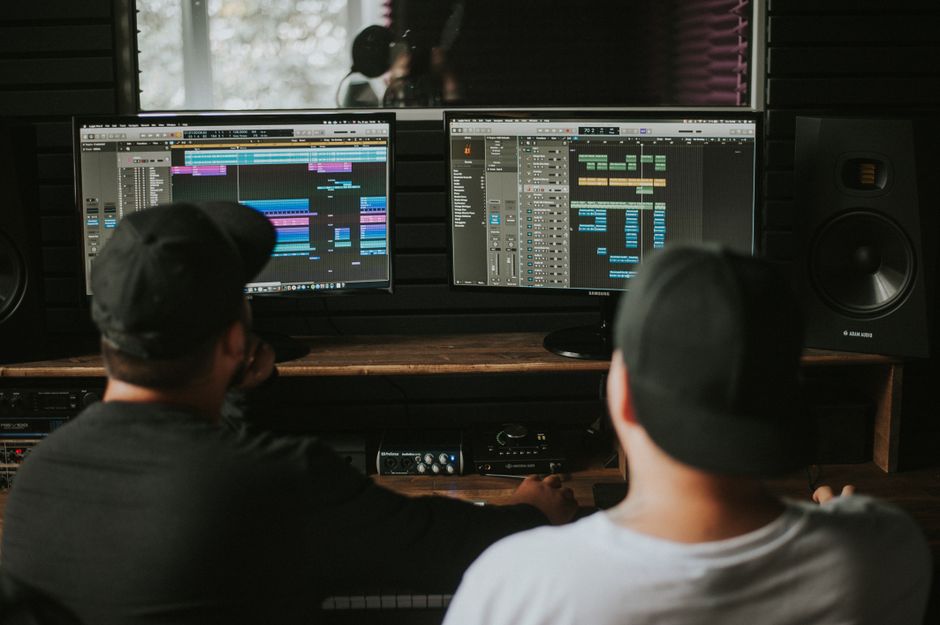
- Technical Workflow: In the modern era, remote collaboration is standard. Artists frequently share stems (individual tracks from a recording) using cloud storage services. Understanding basic DAW (Digital Audio Workstation) compatibility and file formats (e.g., WAV, AIFF for uncompressed audio) is crucial. A producer might send drum stems from Buenos Aires to a vocalist in Barcelona, who records their part and sends it back for mixing.
- Legal and Financial Agreements: This is often overlooked but incredibly important. Before any significant work begins, discuss publishing splits, songwriting credits, performance rights, and intellectual property. Simple collaboration agreements, even for independent artists, can prevent future disputes. Resources from organizations like ASCAP or BMI (for US-based artists, but principles apply globally) offer insights into music rights management.
Real-World Trend: The rise of online music production platforms and collaboration suites has democratized this process. Artists can now co-create tracks in real-time or asynchronously, sharing project files and feedback seamlessly. This trend is particularly beneficial for artists in Latin America looking to connect with a global network without the need for extensive travel.
Conclusion: The Enduring Legacy of Collaborative Spirit
Karamelo Santo’s journey is a powerful reminder that music thrives on connection. Their celebrated collaborations are not just footnotes in their discography; they are integral to their identity and their lasting impact. By embracing diverse sounds, bridging geographical divides, and navigating the practicalities of shared creation, they’ve not only enriched their own music but have also paved the way for a generation of artists to explore the boundless possibilities of collaborative artistry. For any musician or producer looking to make their mark, the lesson is clear: reach out, connect, and co-create. The future of music is a shared endeavor, and the most compelling sounds will undoubtedly emerge from artists willing to collaborate and blend their unique voices into something truly extraordinary.
Related Posts

Miranda's Electro-Pop Odyssey: Essential Albums for Every Artist
Explore the foundational albums and artistic evolution of Miranda, the Argentine electro-pop icons, offering insights for musicians and producers.

Cross-Modulation: Fundamental Principles and Applications in Contemporary Sound Synthesis
Explore cross-modulation (AM/FM) for sculpting complex timbres. Modern tools and spectral analysis for audio design.

Predictive Analysis of Musical Preferences: Algorithms and Applications in the Sound Industry
Research on machine learning algorithms and data processing to anticipate musical tastes and optimize the listener experience.
Zeca Pagodinho's Soulful Grooves: Mastering Ballads and Mid-Tempos for Producers
Explore the nuanced artistry of Zeca Pagodinho's ballads and mid-tempo samba, uncovering production techniques for Latin American musicians and producers.