Catupecu Machu's Collaborative Alchemy: Forging Sound Beyond Boundaries
Explore the pivotal collaborations that defined Catupecu Machu's innovative sound and artistic evolution in the Latin American rock scene.
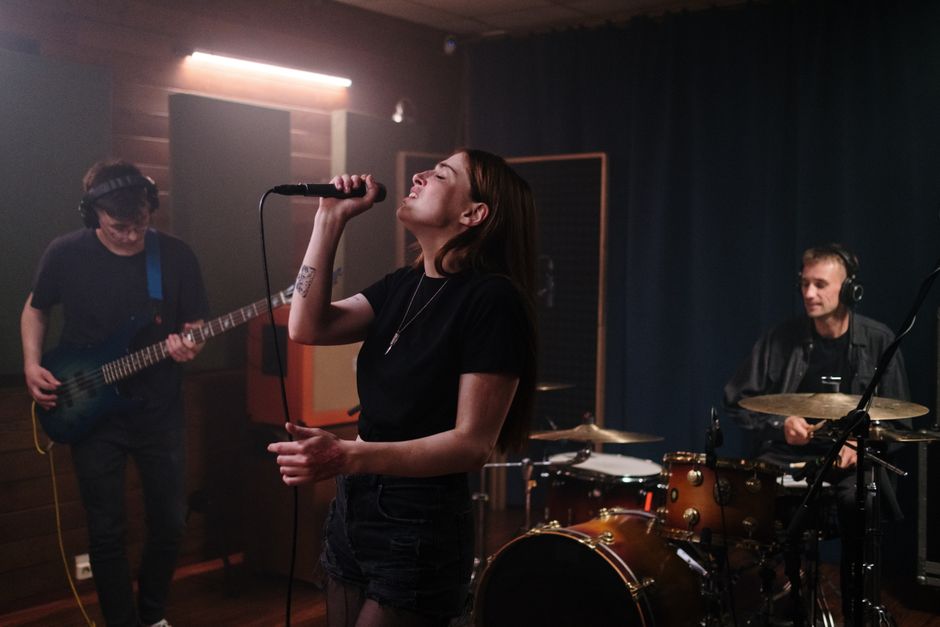
Catupecu Machu, an iconic force in Latin American rock, built a legacy not just on their raw energy and experimental sound, but also on a profound understanding of artistic synergy. Their journey, marked by innovation and a relentless pursuit of new sonic landscapes, was frequently enriched by collaborations that pushed boundaries and redefined their creative output. For musicians and producers across Argentina and the wider region, examining these partnerships offers invaluable insights into the power of shared vision and the magic that unfolds when diverse talents converge.
From groundbreaking studio sessions to electrifying live performances, Catupecu Machu consistently demonstrated how embracing collaboration can lead to artistic breakthroughs. This exploration delves into some of their most significant alliances, offering a blueprint for how creative minds can converge to amplify impact and forge truly unforgettable musical experiences.
The Producer’s Touch: Zeta Bosio and “El Número Imperfecto”
One of the most defining collaborations in Catupecu Machu’s discography wasn’t a featured artist, but the legendary producer Zeta Bosio, former bassist of Soda Stereo. Bosio helmed the production of their 2004 album, “El Número Imperfecto,” a pivotal work that saw the band refine their experimental edge with a newfound melodic sensibility. This partnership is a testament to the transformative power a skilled producer can bring to a band’s sound.
Bosio’s experience with one of Latin America’s most revered bands allowed him to guide Catupecu Machu in achieving a balance between their signature sonic aggression and more accessible song structures. For aspiring producers and bands, this collaboration underscores several key lessons:
- External Perspective: A producer offers an objective viewpoint, helping artists identify strengths, weaknesses, and untapped potential within their material. Bosio likely encouraged Catupecu to explore new arrangements and vocal approaches.
- Sonic Sculpting: Producers are masters of sound design and arrangement. Bosio’s input would have been crucial in crafting the album’s rich textures, dynamic shifts, and overall sonic identity, pushing the band to consider every layer of their sound.
- Industry Acumen: Beyond the technical, a seasoned producer brings invaluable industry experience, helping to shape an album that resonates with a broader audience while maintaining artistic integrity. This kind of collaboration is a staple in modern music production, from independent artists using platforms like Bandcamp to major label releases.
The success of “El Número Imperfecto” showcased how a well-chosen production partnership can elevate an album from great to iconic, influencing countless bands in the Argentine rock scene and beyond.
Live Synergy and Shared Stages: Festival Electrification
Catupecu Machu’s reputation for explosive live performances was often magnified by their willingness to share the stage with other prominent artists. While not always resulting in studio recordings, these live collaborations are crucial for understanding the band’s collaborative spirit and their impact on the Latin American festival circuit. Festivals like Rock al Parque, Cosquín Rock, and Vive Latino often served as crucibles for these spontaneous and electrifying moments.
Memorable instances include sharing stages with figures like Fernando Ruiz Díaz (Ciro y los Persas, ex-Los Piojos) or Walas (Massacre), where the convergence of these musical titans created unforgettable spectacles. These types of collaborations offer practical insights for contemporary artists:
- Networking and Exposure: Sharing a stage with established artists is an unparalleled networking opportunity and a way to reach new audiences. For bands, actively seeking out such opportunities at local venues or larger festivals can be a game-changer.
- Creative Exchange: The energy of a shared performance fosters immediate creative exchange, pushing musicians to adapt, improvise, and elevate their game. This dynamic can lead to fresh ideas and new approaches to existing material.
- Building Community: In the vibrant Latin American music scene, these live collaborations strengthen the bonds between artists, fostering a sense of community and mutual support that is essential for a thriving ecosystem. Artists leveraging platforms like Spotify for Artists can see the ripple effect of such cross-promotion.
These live instances highlight the organic, often unscripted nature of collaboration, where mutual respect and shared passion for music take center stage, creating unique experiences for both performers and audiences.
Beyond the Studio: Expanding Artistic Horizons
The collaborative ethos of Catupecu Machu extended beyond traditional musical features, encompassing various forms of artistic exchange that enriched their output. This included individual members contributing to other projects, guesting on tracks, or even engaging in multimedia ventures.
For instance, the band’s members have often lent their talents to other artists’ recordings or participated in tribute albums, demonstrating their versatility and deep connections within the music community. Such cross-pollination is a vital aspect of artistic growth:
- Skill Diversification: Engaging with different musical contexts allows artists to hone new skills, experiment with different genres, and expand their creative palette. This is crucial in today’s diverse music landscape.
- Brand Extension: Collaborating on projects outside the main band can broaden an artist’s personal brand and introduce them to new fan bases, fostering a more robust and multifaceted career.
- Technological Integration: Modern collaborations often involve remote work, utilizing DAWs like Ableton Live or Pro Tools to exchange stems and ideas globally. This allows for diverse artistic voices to converge regardless of geographical location, a trend increasingly prevalent in the Latin American independent music scene.
These broader collaborations exemplify a holistic approach to artistic development, where the act of creating with others is seen as a continuous process of learning and evolution.
Conclusion: The Enduring Power of Collective Creation
Catupecu Machu’s journey is a powerful testament to the enduring impact of collaboration. From the guiding hand of a legendary producer to the raw energy of shared live stages and the subtle contributions across diverse projects, their story underscores how collective creation can propel a band to new artistic heights. For artists and producers in Latin America and beyond, the lessons are clear: embrace external perspectives, seek out opportunities for live synergy, and continuously explore new avenues for creative exchange.
In an industry that increasingly values authenticity and innovation, the ability to connect, share, and create with others remains one of the most potent tools for artistic growth and sustained relevance. Catupecu Machu didn’t just play music; they curated experiences, often through the magic of collaboration, leaving an indelible mark on the soundscape of rock and inspiring a generation to look beyond the conventional.
Related Posts

Contemporary Mastering: Adapting to Streaming, Spatial Audio, and Physical Formats
Mastering strategies for today's distribution, covering streaming, immersive audio, and high-fidelity physical media.

Unlocking Dread Mar I's Studio Magic: Crafting Reggae Hits for Global Ears
Explore the studio techniques, production philosophies, and signature sound engineering behind Dread Mar I's iconic reggae and Latin pop hits.

Algorithmic Composition and Sound Adaptation: Crafting Personalized Musical Experiences
Exploring the synergy between AI, data, and music theory to design dynamic, personalized soundscapes.

Object-Based Audio with Dolby Atmos: Architecture, Spatial Manipulation, and Applications
Exploring Dolby Atmos object-based audio architecture, spatial manipulation techniques, and production impact.