Zeca Pagodinho's Soulful Grooves: Mastering Ballads and Mid-Tempos for Producers
Explore the nuanced artistry of Zeca Pagodinho's ballads and mid-tempo samba, uncovering production techniques for Latin American musicians and producers.
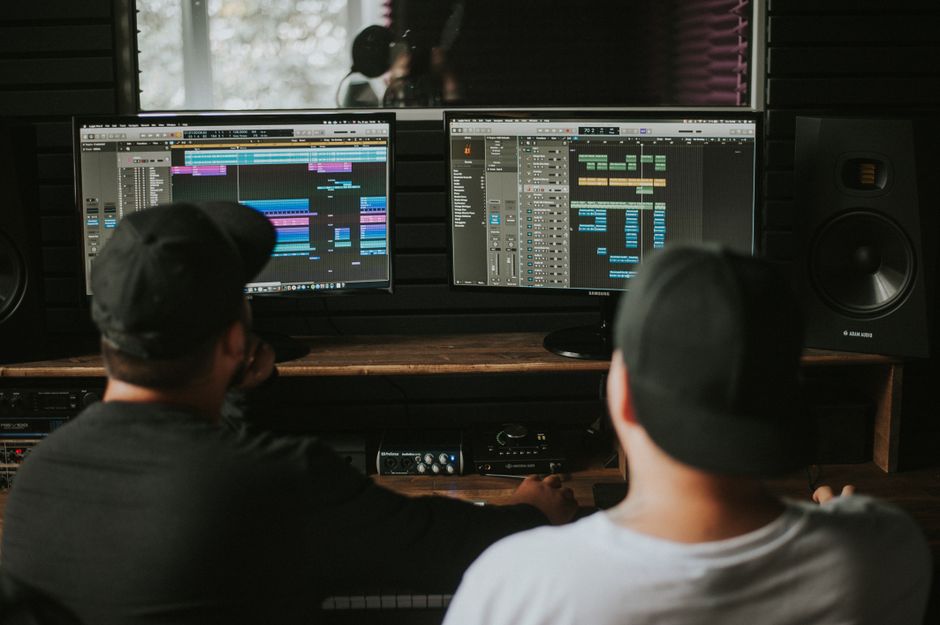
Zeca Pagodinho, a towering figure in Brazilian samba, is often celebrated for his infectious, high-energy party anthems that ignite dance floors from Rio to Rosario. Yet, beneath the vibrant surface of his most famous ‘partido alto’ lies a treasure trove of soulful ballads and nuanced mid-tempo compositions. These less boisterous, yet equally profound, tracks offer a masterclass in emotional depth, rhythmic subtlety, and melodic craftsmanship. For producers and musicians across Latin America, from the bustling studios of Mexico City to the vibrant independent scenes of Santiago, understanding these facets of Zeca’s artistry provides invaluable insights into creating music that is both deeply rooted in tradition and universally resonant.
This exploration delves into the delicate balance Zeca achieves in his slower works, offering practical advice and contemporary production perspectives to help you infuse your own projects with similar warmth and authenticity. It’s about more than just samba; it’s about the art of storytelling through rhythm and melody, a skill paramount for any artist aiming for lasting impact.
The Heartbeat of Samba: Deconstructing Zeca’s Mid-Tempos
Zeca Pagodinho’s mid-tempo tracks are a testament to samba’s versatility, proving that profound emotional impact doesn’t always require breakneck speeds. These songs often hover around 80-110 BPM, allowing for a relaxed yet undeniable ‘swing’ that invites contemplation rather than just dancing. The magic lies in the interplay of traditional instruments:
- Cavaquinho and Violão (Acoustic Guitar): These form the harmonic and rhythmic backbone. The cavaquinho often provides a driving, syncopated counterpoint, while the violão lays down a rich chordal foundation. Producers should pay close attention to the subtle strumming patterns and voicings that create this characteristic samba feel. Experiment with close-mic’ing and room-mic’ing to capture the instrument’s natural resonance, using a DAW like Ableton Live or Logic Pro X to layer and pan them for width.
- Percussion (Pandeiro, Surdo, Tantan, Cuíca): Unlike the frenetic energy of faster sambas, mid-tempos use percussion with greater restraint and precision. The pandeiro provides intricate rhythmic fills and textures, while the surdo and tantan lay down a steady, deep pulse. The cuíca adds its distinctive, almost vocal, glissando. The key is space – each instrument breathes, contributing to a cohesive groove without overcrowding. Consider using high-quality samples or meticulously recording live percussion, focusing on dynamics and the natural decay of each hit. Mastering engineers often use gentle compression and tasteful reverb to blend these elements without losing their individual character.
For producers aiming to capture this feel, analyze tracks like “Deixa a Vida Me Levar” or “Verdade.” Notice how the rhythm section maintains a constant, laid-back pulse that allows Zeca’s vocals to float effortlessly above. You can find his extensive discography on platforms like Spotify for detailed listening analysis.
Lyrical Poetry and Melodic Craft in Ballads
When Zeca delves into ballads, the focus shifts even more acutely to his voice and the narrative. His ballads are not just slow songs; they are intimate conversations, often reflecting on life, love, and the everyday struggles and joys of the common person. This is where his ‘malandragem’ (street smarts/charm) meets profound sincerity.
- Vocal Delivery: Zeca’s vocal style in ballads is characterized by its naturalness, warmth, and the ability to convey deep emotion without resorting to over-the-top theatrics. It’s often understated, relying on subtle inflections and a conversational tone. For vocal producers, this means prioritizing clarity, presence, and capturing the raw emotion. Techniques like double-tracking subtly or using a high-quality condenser microphone with minimal processing can help achieve this authentic feel. Plugins from companies like Universal Audio offer excellent emulations of classic vocal chains.
- Arrangement and Space: Zeca’s ballads typically feature sparser arrangements. The absence of a busy rhythm section allows the melody and lyrics to take center stage. Often, a solo violão or a small string section might accompany his voice, creating an atmosphere of intimacy. Producers should think about negative space – what isn’t played is as important as what is. Consider how a simple, sustained chord or a single, poignant instrument line can amplify the emotional weight of a lyric.
- Harmonic Simplicity with Depth: The chord progressions are often straightforward but incredibly effective, allowing the melodic lines to shine. The beauty lies in the subtle harmonic extensions and voice leading that add sophistication without complexity. Studying these arrangements can teach producers how to build emotional tension and release using relatively simple harmonic tools.
Modern Production Approaches for Timeless Melodies
For contemporary musicians and producers in Buenos Aires to Bogotá, the challenge and opportunity lie in taking Zeca’s timeless artistry and reinterpreting it through modern lenses without losing its essence. Here are some actionable insights:
- Hybrid Arrangements: Blend traditional samba instrumentation with subtle electronic textures. Imagine a classic cavaquinho riff underpinned by a warm, analog synth pad, or a traditional percussion section complemented by a tasteful 808 kick drum for added low-end impact. The goal is enhancement, not replacement.
- Reharmonization and Chord Voicings: While respecting the original harmonic intent, experiment with modern jazz or bossa nova chord voicings to add a fresh perspective. A producer might introduce a
maj7#11or amin9chord where a simple major or minor triad existed, adding a touch of contemporary sophistication. This is especially effective in ballads where harmony takes on greater prominence. - Spatial Effects and Sound Design: Utilize modern reverb, delay, and modulation plugins to create atmosphere and depth. A well-placed plate reverb on the vocals, or a subtle tape delay on a guitar solo, can evoke a sense of nostalgia while sounding current. Think about creating a soundscape that envelops the listener, rather than just presenting a flat mix. Explore sound design elements like field recordings or subtle textures to add unique character to intros and outros.
- Collaboration and Cultural Exchange: The beauty of Latin American music lies in its diversity. Collaborate with musicians who specialize in different regional styles – perhaps a charango player from the Andes or a bandoneon player from Argentina – to infuse Zeca’s samba with new flavors that resonate across the continent. Platforms like Bandcamp are excellent for discovering independent artists and exploring diverse musical fusions.
Conclusion: The Enduring Legacy of Zeca’s Nuance
Zeca Pagodinho’s ballads and mid-tempo compositions offer a profound lesson in musical artistry. They remind us that true impact often lies not in loudness or speed, but in emotional honesty, rhythmic intelligence, and melodic grace. For musicians and producers aiming to create music that speaks to the soul, studying these works provides a blueprint for crafting narratives that transcend language and cultural barriers. By embracing the subtleties, understanding the interplay of tradition and innovation, and applying modern production techniques with respect and creativity, you can ensure that the rich legacy of samba continues to evolve, resonating deeply with audiences across Latin America and beyond. Let Zeca’s soulful grooves inspire your next masterpiece, proving that sometimes, the most powerful statements are made in the quietest moments.
Related Posts

Spectral Compression: Advanced Dynamic Control for Surgical Audio Manipulation
Explore spectral compression, a granular technique for precise frequency manipulation and mix enhancement.

Rhythmic and Melodic Components in Contemporary Trap Production: A Technical Analysis
An exploration of 808/hi-hat rhythmics, synthetic/sampled sound design, and vocal processing in modern trap music.

Strymon's DSP Architecture: Audio Processing Innovation for High-Fidelity Guitar Effects
An analysis of Strymon's engineering, algorithm evolution, and impact on contemporary music production.

Analog-Digital Convergence: Technical Analysis of the Contemporary Soundscape
Explore the features, benefits, and challenges of analog, digital, and hybrid mixing in modern music production.