Beyond the Lens: Orchestrating Impactful Sound for Independent Film
Unlock the power of sound design in independent cinema, transforming narratives and deeply engaging audiences through expert audio techniques.
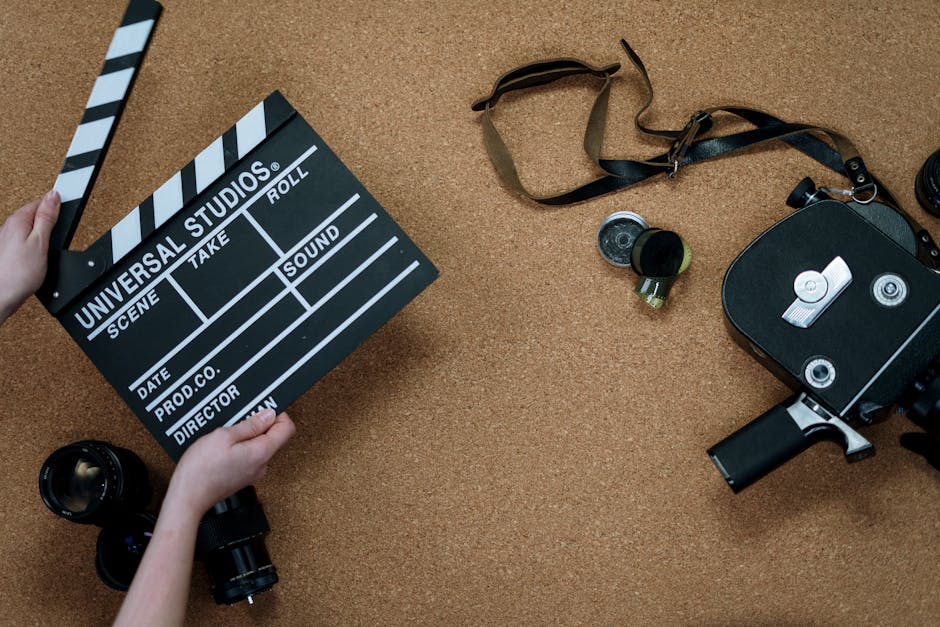
In the vibrant world of independent cinema, where every frame is a testament to passion and ingenuity, sound often remains the unsung hero. While stunning visuals capture the eye, it’s the meticulously crafted auditory landscape that truly immerses an audience, elevating a film from a mere sequence of images to a profound emotional experience. For independent filmmakers, often working with constrained budgets, mastering sound isn’t just a technical necessity; it’s an artistic imperative—a powerful tool to define atmosphere, enhance storytelling, and connect deeply with viewers, from the bustling streets of Buenos Aires to the quiet landscapes of Patagonia.
The Sonic Blueprint: Pre-Production and Planning
The journey to exceptional film sound begins long before cameras roll. Integrating sound considerations into pre-production is paramount for independent projects. This phase is about crafting a “sound bible”—a detailed document outlining the sonic identity of your film. Collaborate closely with your director and cinematographer to understand the emotional arc and visual language. Discuss how sound will underscore character emotions, highlight narrative beats, and establish the film’s unique world.
- Early Sound Scouting: Visit your filming locations with a sound designer or an experienced sound recordist. Listen not just for potential problems (traffic, air conditioning hums) but for inherent sonic textures that can be captured and utilized. Does a particular street corner offer a distinct sonic signature? Does a natural environment have a unique ambient drone?
- Budget Allocation: Be realistic. Even a modest budget can yield impressive results with strategic planning. Allocate funds for good microphones, a reliable recorder, and, crucially, skilled personnel. Investing in a dedicated production sound mixer and a post-production sound editor/designer is often more impactful than relying on a single person to handle everything.
Capturing the Canvas: Production Sound Essentials
Production sound is the foundation upon which all subsequent sonic layers are built. Poorly recorded dialogue or noisy atmospheres are incredibly difficult, if not impossible, to fix in post-production. Prioritize clean, clear recordings above all else.
- Dialogue is King: Ensure every line of dialogue is captured with utmost clarity. This means strategic microphone placement (boom mics for wide shots, lavalier mics for close-ups), careful monitoring, and diligent noise suppression on set. Always record “wild tracks” (dialogue recorded after the take without picture) and “room tone” (the ambient sound of a location without dialogue or specific action) for every scene. These are invaluable for seamless editing.
- Atmospheres and Effects: Don’t just record dialogue. Capture specific ambient sounds of your locations. The unique hum of a city, the distant sounds of a rural setting, or the specific sonic textures of an interior space can add immense authenticity and depth. These “production ambiences” are often more authentic than library sounds.
- Equipment Choices: While high-end gear is ideal, excellent results can be achieved with mid-range equipment. Focus on quality microphones (e.g., Sennheiser MKH 416 for booms, Rode NTG series for versatility, DPA or Sanken for lavaliers) and reliable field recorders (e.g., Sound Devices MixPre series, Zoom F-series). Learn their limitations and strengths.
Sculpting the Narrative: Post-Production Sound Design
This is where the magic truly happens, transforming raw recordings into an immersive sonic tapestry. Post-production sound design involves several distinct, yet interconnected, disciplines.
- Dialogue Editing & Restoration: Clean up production dialogue, remove unwanted noises, and ensure consistency across takes. Tools like iZotope RX are indispensable for noise reduction, de-clicking, and de-reverb. If necessary, record Automatic Dialogue Replacement (ADR) to replace unusable lines, ensuring performances match the original.
- Foley Artistry: Foley artists recreate everyday sounds (footsteps, clothing rustles, prop handling) in sync with the picture. This adds incredible realism and tactile detail that production sound often misses. A well-executed Foley track can make a scene feel truly alive. Consider a small, DIY Foley studio if budget is tight, using everyday objects to create compelling sounds.
- Sound Effects (SFX) & Ambience: Layer sound effects to enhance realism and emotional impact. Distinguish between “hard effects” (specific, prominent sounds like a car door slam) and “soft effects” (subtler sounds like distant traffic). Combine recorded ambiences with library sounds to build rich, believable environments. For professional sound libraries, consider sources like Soundly or Splice, but always prioritize unique recordings when possible.
- Music Integration: The film score is a powerful emotional amplifier. Work with your composer to ensure the music complements, rather than competes with, dialogue and sound effects. Indie films often benefit from original scores, and platforms like Bandcamp or SoundCloud can be great places to discover emerging composers who might be open to collaborating on a budget.
Popular Digital Audio Workstations (DAWs) for film post-production include Avid Pro Tools (industry standard: https://www.avid.com/pro-tools), Logic Pro (for Mac users: https://www.apple.com/logic-pro/), and Reaper (a highly customizable and affordable option: https://www.reaper.fm/).
The Final Polish: Mixing and Mastering for Film
The final stage brings all sonic elements together into a cohesive, balanced whole. The re-recording mixer ensures that dialogue is always intelligible, music supports the narrative, and sound effects enhance the emotional landscape without distracting.
- The Mix: This is where the overall balance is achieved. Dialogue, music, SFX, and Foley must sit together harmoniously. Careful panning, equalization, and dynamic processing are crucial. The goal is to create a dynamic range that serves the story—moments of quiet tension followed by explosive action. Pay close attention to loudness standards, such as those recommended by the ITU-R BS.1770 standard, often measured in LKFS (Loudness, K-weighted, relative to Full Scale), to ensure your film sounds consistent across various playback systems.
- Spatialization: Even for independent films, consider the potential for spatial audio. A stereo mix is standard, but even a simple surround mix (5.1) can significantly enhance immersion if your distribution allows. Experiment with placing sounds in the stereo field to create depth and direct audience attention.
- Monitoring Environment: Mix in a treated room with calibrated monitors. This ensures that your mix translates well to different viewing environments, from cinemas to home theaters and even mobile devices. Regular checks on headphones are also essential.
Conclusion
Sound in independent cinema is not merely an addition; it is an intrinsic part of the storytelling fabric. By embracing sound as an artistic partner from conception to final mix, independent filmmakers can transcend budgetary limitations and create truly unforgettable cinematic experiences. The power of a perfectly placed sound, a resonant score, or an immersive ambient track can transform a scene, deepen a character, and etch your film into the memory of your audience long after the credits roll. Invest in sound, and you invest in the soul of your story.
Related Posts

Harmonic and Textural Analysis of Raimundos' Ballads: Stylistic Adaptation in Music Production
Technical exploration of Raimundos' ballads and mid-tempo songs, revealing their harmonic, textural, and production versatility.

Adaptive Soundscape Synthesis: Principles, Techniques, and Cutting-Edge Applications
Explore real-time reactive audio generation, from granular to AI, for immersive experiences and interactive music.

Creative Sampling: Sound Design Methodologies and Advanced Manipulation in Music Production
Explore the deconstruction and recontextualization of sound sources through advanced techniques and AI for musical innovation.

Fundamental Principles of Subtractive Synthesis: Oscillators, Filters, and Modulation
Technical analysis of oscillators, filters, and envelopes in subtractive synthesis for creating unique timbres.